
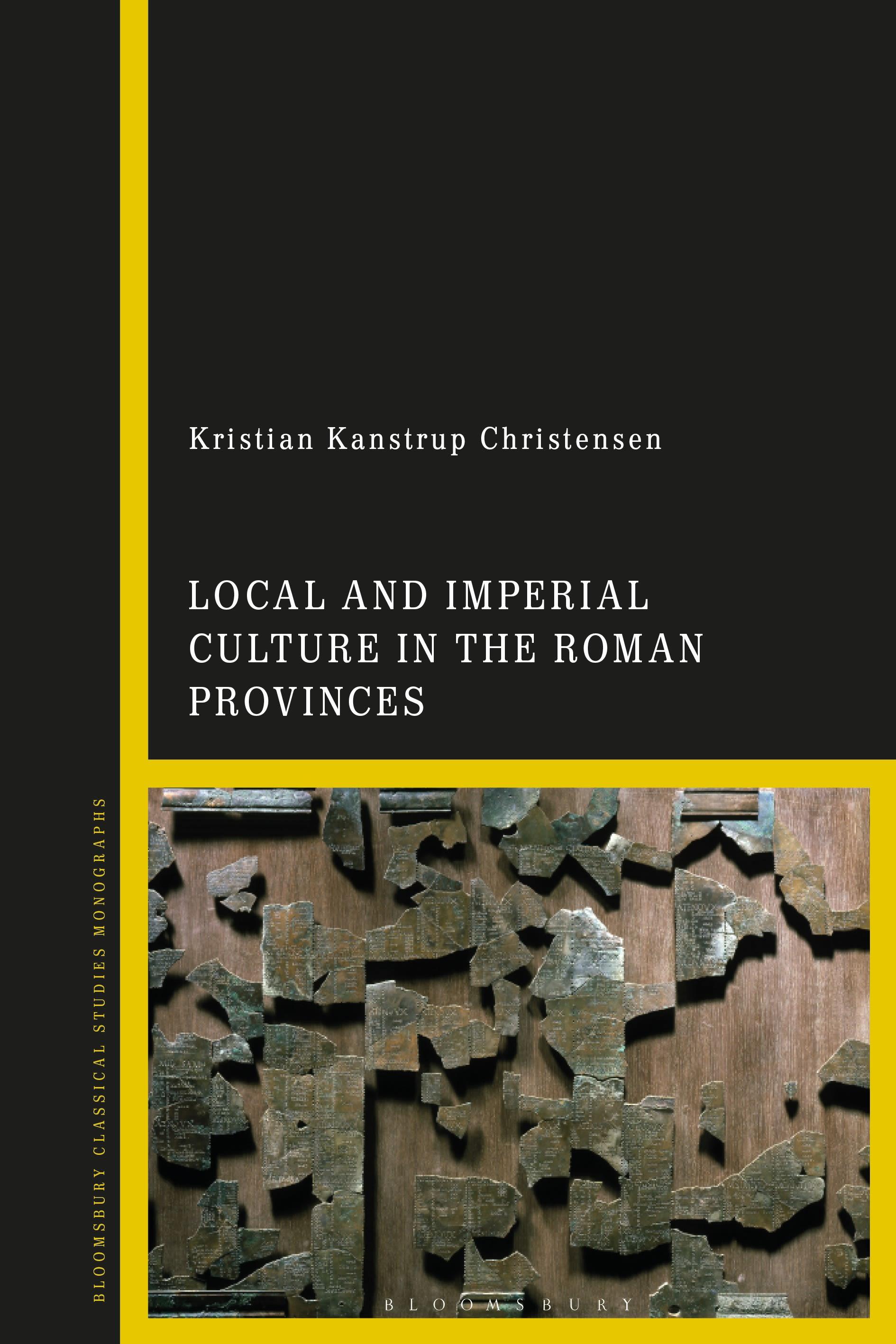
By adopting a theoretical approach rooted in the anthropological study of agrarian communities, this book investigates the reach and impact of Roman civilisation while considering the limitations of pre-industrial communication and social organisation. For half a millennium, the Roman state unified the Mediterranean world in an empire without parallel in European history. Yet, to what extent did this vast domain truly integrate the diverse cultures under its rule? This question forms the foundation for a novel cultural history that captures both sides of ancient imperialism: the connectivity fostered between local cultures and the hierarchical structures imposed upon them.
This framework is tested through a series of case studies, drawing on diverse sources from across the empire, including Rhineland portraiture, Egyptian votive dedications, British ceramic assemblages, the letters of Saint Augustine, Pannonian burial mounds, Anatolian maledictions against grave robbers, Gaulish pottery firing lists, and more. These studies reveal that Roman rule generated significant cultural interaction, with the practices of the imperial elite deeply influencing local communities, sometimes even transforming them. However, full participation in elite culture remained accessible only to a small segment of the provincial population. As a result, even after centuries of Roman dominion, local cultures persisted.
This framework is tested through a series of case studies, drawing on diverse sources from across the empire, including Rhineland portraiture, Egyptian votive dedications, British ceramic assemblages, the letters of Saint Augustine, Pannonian burial mounds, Anatolian maledictions against grave robbers, Gaulish pottery firing lists, and more. These studies reveal that Roman rule generated significant cultural interaction, with the practices of the imperial elite deeply influencing local communities, sometimes even transforming them. However, full participation in elite culture remained accessible only to a small segment of the provincial population. As a result, even after centuries of Roman dominion, local cultures persisted.
Zahle einfach mit Karte, Klarna, Apple Pay oder Google Pay. Nicht zufrieden? Du hast immer ein 14-tägiges Widerrufsrecht. Lies mehr in unseren AGB. Hast du Fragen, schreib uns eine E-Mail an hello@memmo.org.
Memmo macht das Lernen einfacher – wo auch immer du bist. Bei uns findest du deine Kursbücher und smarte Lerntools an einem Ort: Zusammenfassungen, Quizzes, Podcasts und Lernkarten. Und Ted, dein Lernbuddy, beantwortet alles, was du wissen möchtest. Über 50.000 Studierende lernen bereits hier – gemacht, damit du schneller lernst und weniger Stress hast.