
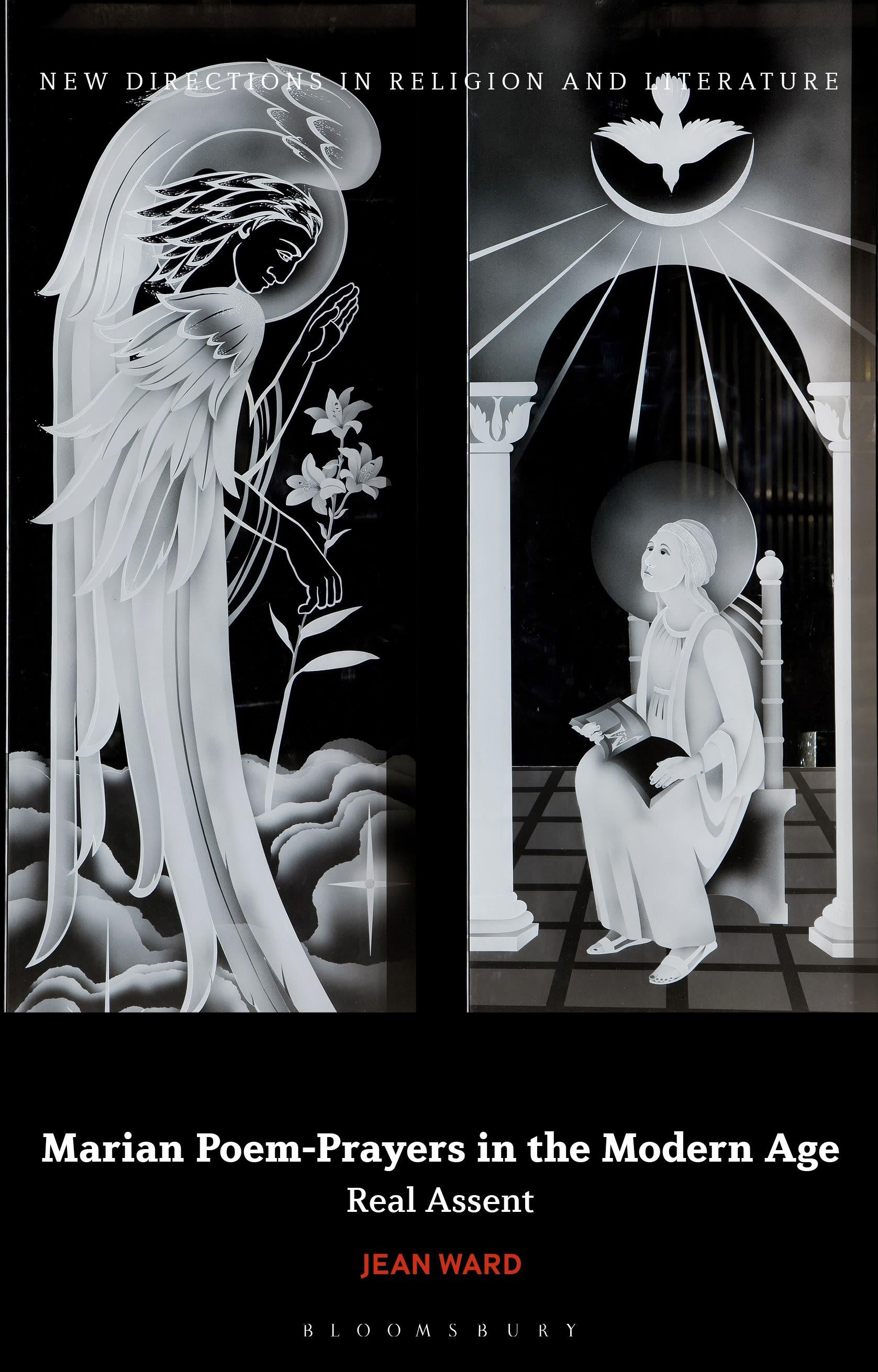
This book explores a range of twentieth and twenty-first century poem-prayers directed to or involving Mary. In readings of works by T. S. Eliot, David Jones, Geoffrey Hill, Elizabeth Jennings, Hilary Davies, Rowan Williams and others, Ward traces the resurgence of interest in Mary from the late nineteenth century to the present day.
By the early twentieth century, the once widespread and fervent cult of the Virgin Mary had for more than three hundred years been largely absent from England's religious life. Similarly, the figure of Mary had almost vanished from English poetry, only to return, gradually, as Marian devotion began to revive in the nineteenth century.
The perception of this devotion as somehow un-English, dominant since the Reformation, presented a challenge to poets engaged with the Marian theme in the modern day. Marian Poem-Prayers in the Modern Age examines how male and female poets from both Roman Catholic and Anglican backgrounds responded to this situation. The book also argues that the figure of Mary is a type of John Henry Newman's category of “real assent”: commitment that is not merely intellectual, but involves the totality of a person's being in relation to God.
By the early twentieth century, the once widespread and fervent cult of the Virgin Mary had for more than three hundred years been largely absent from England's religious life. Similarly, the figure of Mary had almost vanished from English poetry, only to return, gradually, as Marian devotion began to revive in the nineteenth century.
The perception of this devotion as somehow un-English, dominant since the Reformation, presented a challenge to poets engaged with the Marian theme in the modern day. Marian Poem-Prayers in the Modern Age examines how male and female poets from both Roman Catholic and Anglican backgrounds responded to this situation. The book also argues that the figure of Mary is a type of John Henry Newman's category of “real assent”: commitment that is not merely intellectual, but involves the totality of a person's being in relation to God.
Zahle einfach mit Karte, Klarna, Apple Pay oder Google Pay. Nicht zufrieden? Du hast immer ein 14-tägiges Widerrufsrecht. Lies mehr in unseren AGB. Hast du Fragen, schreib uns eine E-Mail an hello@memmo.org.
Memmo macht das Lernen einfacher – wo auch immer du bist. Bei uns findest du deine Kursbücher und smarte Lerntools an einem Ort: Zusammenfassungen, Quizzes, Podcasts und Lernkarten. Und Ted, dein Lernbuddy, beantwortet alles, was du wissen möchtest. Über 50.000 Studierende lernen bereits hier – gemacht, damit du schneller lernst und weniger Stress hast.