
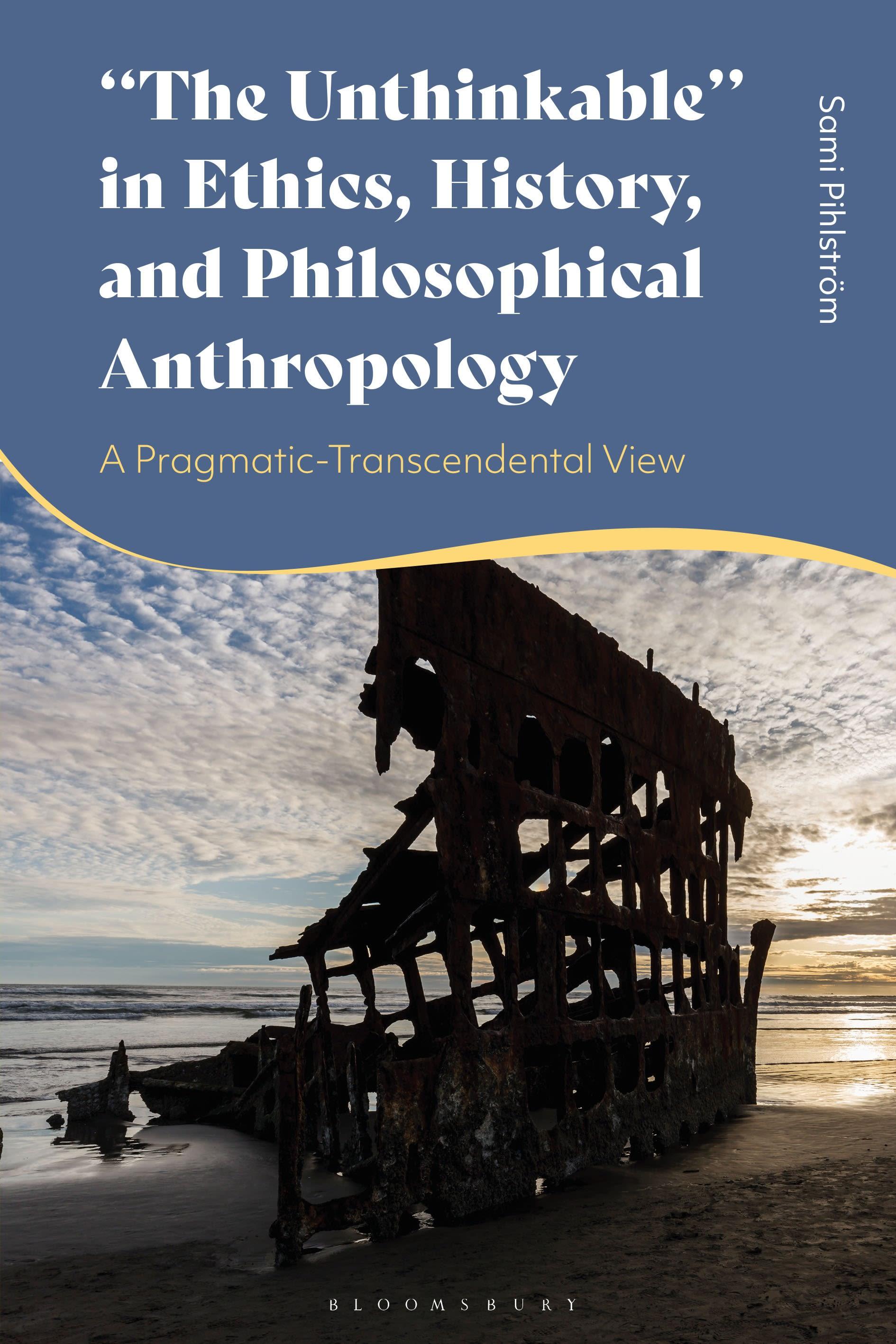
What we find 'unthinkable' is not seriously considered as an ethical option in our thought and deliberation; it is ruled out from the outset. Combining a broadly pragmatist approach with a Kantian-inspired transcendental strategy, Sami Pihlström distinguishes between what is considered 'unthinkable' and what is merely ethically wrong.
Pihlström demonstrates how different issues concerning the unthinkable vs the thinkable, ranging from the proper ethical response to the Holocaust to philosophical considerations of monstrous characters familiar in gothic fiction, may challenge the categories we use to structure the world. In particular, he makes the case that it is unthinkable for us to reject the kind of 'human exceptionalism' that attributes an ineliminable dignity or preciousness to human beings. Chapters also explore the complex relationship between our responses to human suffering and the suffering of non-human animals, together with questions concerning the philosophy of war and pacifism.
'The Unthinkable' in Ethics, History and Philosophical Anthropology turns our attention to the ethically and ontologically constitutive character of the boundaries we draw between the thinkable and the unthinkable, while utilizing conceptual and argumentative resources from the Wittgensteinian tradition in moral philosophy, particularly from the work of Raimond Gaita. An original and timely study, it will be welcomed by students and scholars interested in the fundamental ethical issues of human life.
Pihlström demonstrates how different issues concerning the unthinkable vs the thinkable, ranging from the proper ethical response to the Holocaust to philosophical considerations of monstrous characters familiar in gothic fiction, may challenge the categories we use to structure the world. In particular, he makes the case that it is unthinkable for us to reject the kind of 'human exceptionalism' that attributes an ineliminable dignity or preciousness to human beings. Chapters also explore the complex relationship between our responses to human suffering and the suffering of non-human animals, together with questions concerning the philosophy of war and pacifism.
'The Unthinkable' in Ethics, History and Philosophical Anthropology turns our attention to the ethically and ontologically constitutive character of the boundaries we draw between the thinkable and the unthinkable, while utilizing conceptual and argumentative resources from the Wittgensteinian tradition in moral philosophy, particularly from the work of Raimond Gaita. An original and timely study, it will be welcomed by students and scholars interested in the fundamental ethical issues of human life.
Zahle einfach mit Karte, Klarna, Apple Pay oder Google Pay. Nicht zufrieden? Du hast immer ein 14-tägiges Widerrufsrecht. Lies mehr in unseren AGB. Hast du Fragen, schreib uns eine E-Mail an hello@memmo.org.
Memmo macht das Lernen einfacher – wo auch immer du bist. Bei uns findest du deine Kursbücher und smarte Lerntools an einem Ort: Zusammenfassungen, Quizzes, Podcasts und Lernkarten. Und Ted, dein Lernbuddy, beantwortet alles, was du wissen möchtest. Über 50.000 Studierende lernen bereits hier – gemacht, damit du schneller lernst und weniger Stress hast.