
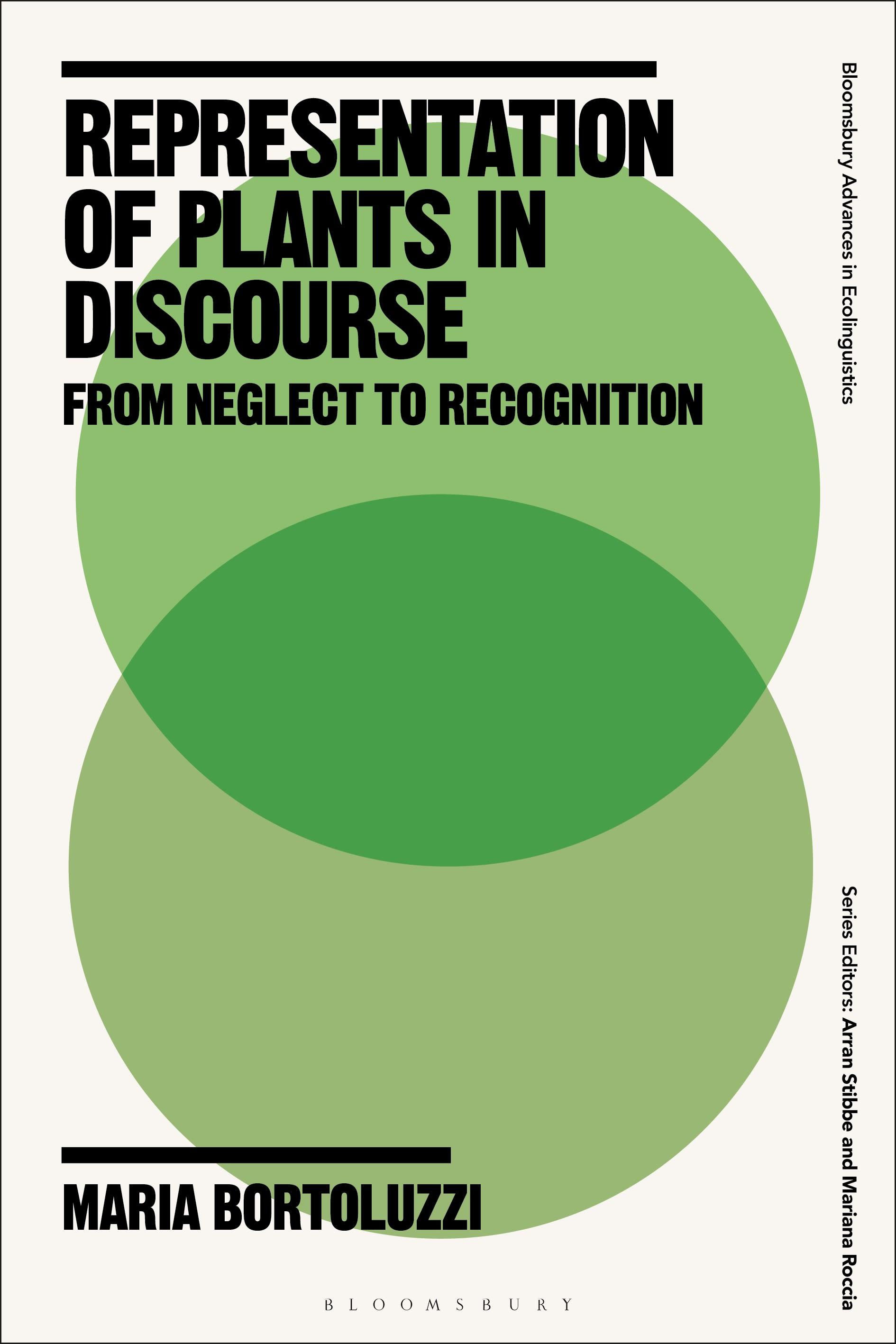
How do we communicate about plants in diverse socio-cultural contexts? Which underlying values and beliefs inform the positioning of plants in texts? Why is it essential to reflect on plant discourse at a time of climate crisis?
Plants are life-sustaining protagonists on the planet, and their immense relevance in ecosystems and in our lives cannot be overstated. Yet, plants tend to be given less consideration than animals because their organisms are very different from ours, and their movements and actions are difficult to perceive because of our sensory limitations and different timeframes. Therefore, plants are often neglected and backgrounded, or discursively constructed as exploitable resources and commodities, especially in technological and urbanised social contexts. This results in discursive representations informed by de-animating and exploitative beliefs that have negative cascading impacts on the web of life. Vice versa, respect for all participants in Earth ecosystems, including plants, can foster ecojustice and wellbeing for all.
This book analyses how we represent plants in a variety of socio-cultural and interactional contexts, in verbal and non-verbal texts. It discusses what these practices reveal about underlying values, and what impact these representations may have on the web of life. Since plant discourse has been under-represented in ecolinguistics so far, this study advocates for a plant turn in ecolinguistics, ecological discourse studies and ecomultimodality. Reflecting on how we speak and write about plants means giving recognition to the photosynthesising beings that sustain life on the planet.
Plants are life-sustaining protagonists on the planet, and their immense relevance in ecosystems and in our lives cannot be overstated. Yet, plants tend to be given less consideration than animals because their organisms are very different from ours, and their movements and actions are difficult to perceive because of our sensory limitations and different timeframes. Therefore, plants are often neglected and backgrounded, or discursively constructed as exploitable resources and commodities, especially in technological and urbanised social contexts. This results in discursive representations informed by de-animating and exploitative beliefs that have negative cascading impacts on the web of life. Vice versa, respect for all participants in Earth ecosystems, including plants, can foster ecojustice and wellbeing for all.
This book analyses how we represent plants in a variety of socio-cultural and interactional contexts, in verbal and non-verbal texts. It discusses what these practices reveal about underlying values, and what impact these representations may have on the web of life. Since plant discourse has been under-represented in ecolinguistics so far, this study advocates for a plant turn in ecolinguistics, ecological discourse studies and ecomultimodality. Reflecting on how we speak and write about plants means giving recognition to the photosynthesising beings that sustain life on the planet.
Zahle einfach mit Karte, Klarna, Apple Pay oder Google Pay. Nicht zufrieden? Du hast immer ein 14-tägiges Widerrufsrecht. Lies mehr in unseren AGB. Hast du Fragen, schreib uns eine E-Mail an hello@memmo.org.
Memmo macht das Lernen einfacher – wo auch immer du bist. Bei uns findest du deine Kursbücher und smarte Lerntools an einem Ort: Zusammenfassungen, Quizzes, Podcasts und Lernkarten. Und Ted, dein Lernbuddy, beantwortet alles, was du wissen möchtest. Über 50.000 Studierende lernen bereits hier – gemacht, damit du schneller lernst und weniger Stress hast.