
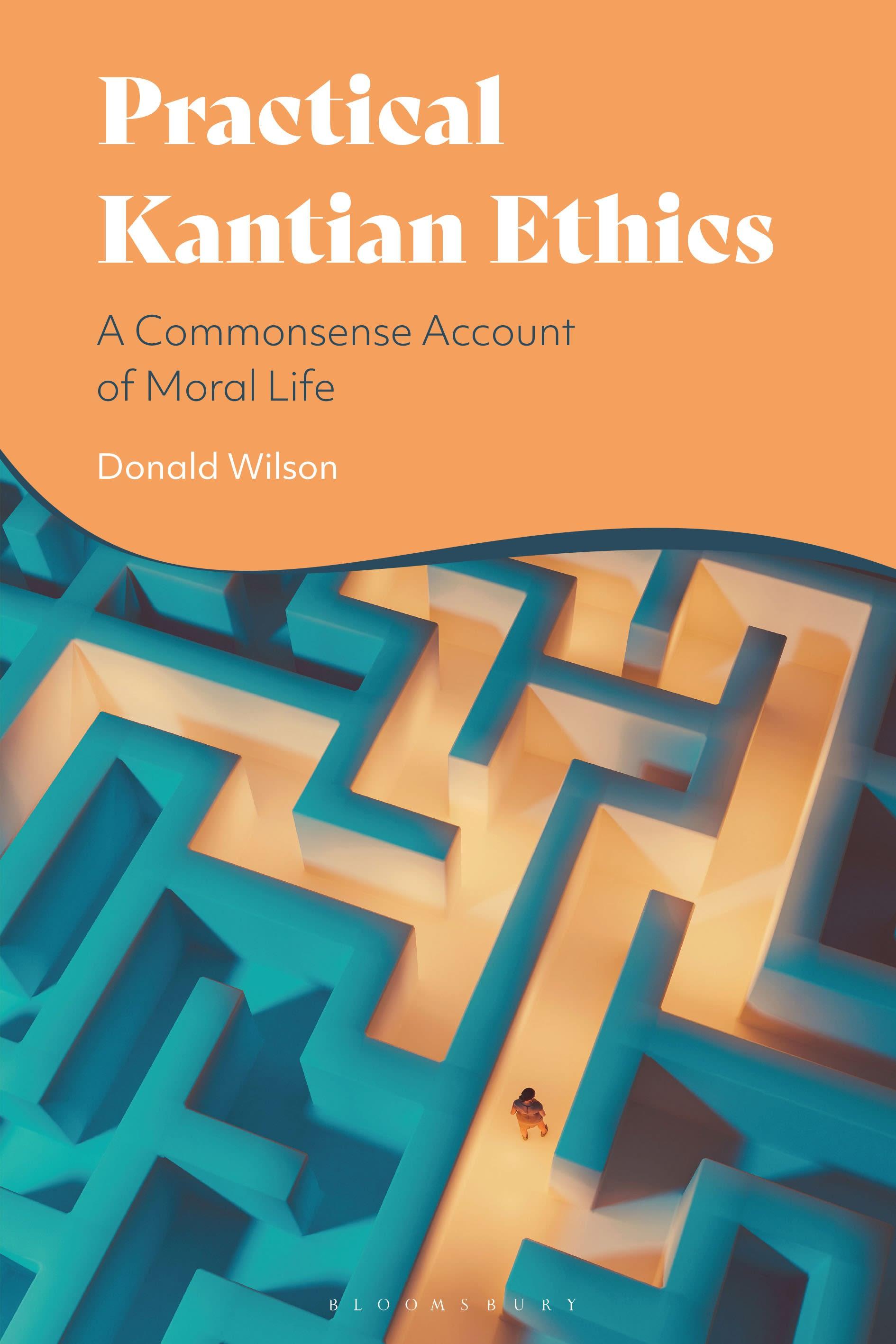
Reversing the usual order of interpretation, Donald Wilson reinterprets Kant's moral theory through his later practical works offering a new “inner freedom” account informing obscure aspects of Kant's formal moral philosophy and the practical focus of ideals of proper respect.
This account transcends the narrow rational asceticism often associated with Kant's view, embedding morality in our humanity, recognizing the vital role of emotion in moral life, and prioritizing framing moral commitments and questions of character over obedience to formal rules. In doing so, it makes community and collective and individual judgment essential in giving content to ideals of practical respect, creating important space for moral disagreement and growth.
Focused on the integration of diverse norms and the lived experience of morality, Wilson's account affords Kantians a nuanced understanding of the relationship between moral and personal life and everyday norms of fidelity, non-violence, rescue, and care capable of guiding ordinary moral judgement and informing deliberation in hard cases where different grounds of obligation conflict. It is essential reading for anyone working on Kant's moral philosophy today.
This account transcends the narrow rational asceticism often associated with Kant's view, embedding morality in our humanity, recognizing the vital role of emotion in moral life, and prioritizing framing moral commitments and questions of character over obedience to formal rules. In doing so, it makes community and collective and individual judgment essential in giving content to ideals of practical respect, creating important space for moral disagreement and growth.
Focused on the integration of diverse norms and the lived experience of morality, Wilson's account affords Kantians a nuanced understanding of the relationship between moral and personal life and everyday norms of fidelity, non-violence, rescue, and care capable of guiding ordinary moral judgement and informing deliberation in hard cases where different grounds of obligation conflict. It is essential reading for anyone working on Kant's moral philosophy today.
Zahle einfach mit Karte, Klarna, Apple Pay oder Google Pay. Nicht zufrieden? Du hast immer ein 14-tägiges Widerrufsrecht. Lies mehr in unseren AGB. Hast du Fragen, schreib uns eine E-Mail an hello@memmo.org.
Memmo macht das Lernen einfacher – wo auch immer du bist. Bei uns findest du deine Kursbücher und smarte Lerntools an einem Ort: Zusammenfassungen, Quizzes, Podcasts und Lernkarten. Und Ted, dein Lernbuddy, beantwortet alles, was du wissen möchtest. Über 50.000 Studierende lernen bereits hier – gemacht, damit du schneller lernst und weniger Stress hast.