
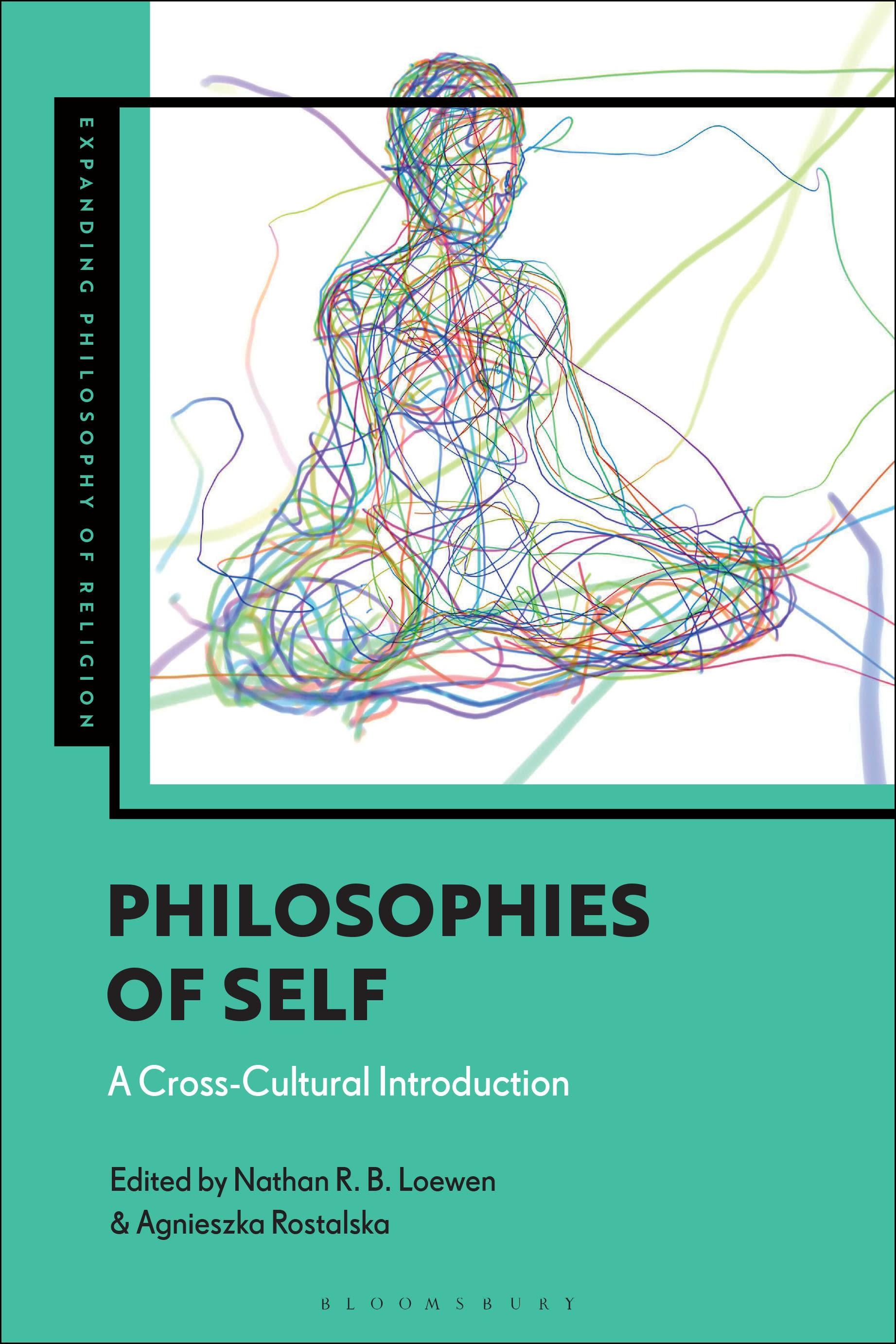
Without deference to any one religious tradition, Philosophies of the Self makes cross-cultural analysis possible by introducing a multitude of understandings about ourselves that change how we think not only about philosophy of religion but philosophy in general.
This is a guide to the many different concepts of the self found in traditions around the world. Ideal for independent study or classroom teaching, Philosophies of the Self represents a break with the orientalist problems around the “East-West” dichotomy. By refusing to defer to any religious tradition, it allows you to learn about and evaluate philosophical conceptions of the self from a broad range of cultures.
Covering Shinto, Afro-Brazilian, Jain, Nyaya, Daoist, Nguni, as well as specific philosophical paradigms developed by Iqbal, Ifeanyi Menkiti, and Jacques Derrida, each chapter systematically explores conceptions of self that are specific to a philosophical tradition. Bringing together an international team of contributors, each chapter situates the concepts' definition, philosophical significance, historical context, and the relevant works or cultural locations in which they appear.
From broad, high-level comparison to in-depth, close reading, the structure allows you to engage with the different concepts in a variety of ways. You are able to compare foundational ideas, draw on suggestions for further research and choose a combination of chapters for an in-depth cross-cultural study.
This is a guide to the many different concepts of the self found in traditions around the world. Ideal for independent study or classroom teaching, Philosophies of the Self represents a break with the orientalist problems around the “East-West” dichotomy. By refusing to defer to any religious tradition, it allows you to learn about and evaluate philosophical conceptions of the self from a broad range of cultures.
Covering Shinto, Afro-Brazilian, Jain, Nyaya, Daoist, Nguni, as well as specific philosophical paradigms developed by Iqbal, Ifeanyi Menkiti, and Jacques Derrida, each chapter systematically explores conceptions of self that are specific to a philosophical tradition. Bringing together an international team of contributors, each chapter situates the concepts' definition, philosophical significance, historical context, and the relevant works or cultural locations in which they appear.
From broad, high-level comparison to in-depth, close reading, the structure allows you to engage with the different concepts in a variety of ways. You are able to compare foundational ideas, draw on suggestions for further research and choose a combination of chapters for an in-depth cross-cultural study.
Zahle einfach mit Karte, Klarna, Apple Pay oder Google Pay. Nicht zufrieden? Du hast immer ein 14-tägiges Widerrufsrecht. Lies mehr in unseren AGB. Hast du Fragen, schreib uns eine E-Mail an hello@memmo.org.
Memmo macht das Lernen einfacher – wo auch immer du bist. Bei uns findest du deine Kursbücher und smarte Lerntools an einem Ort: Zusammenfassungen, Quizzes, Podcasts und Lernkarten. Und Ted, dein Lernbuddy, beantwortet alles, was du wissen möchtest. Über 50.000 Studierende lernen bereits hier – gemacht, damit du schneller lernst und weniger Stress hast.