
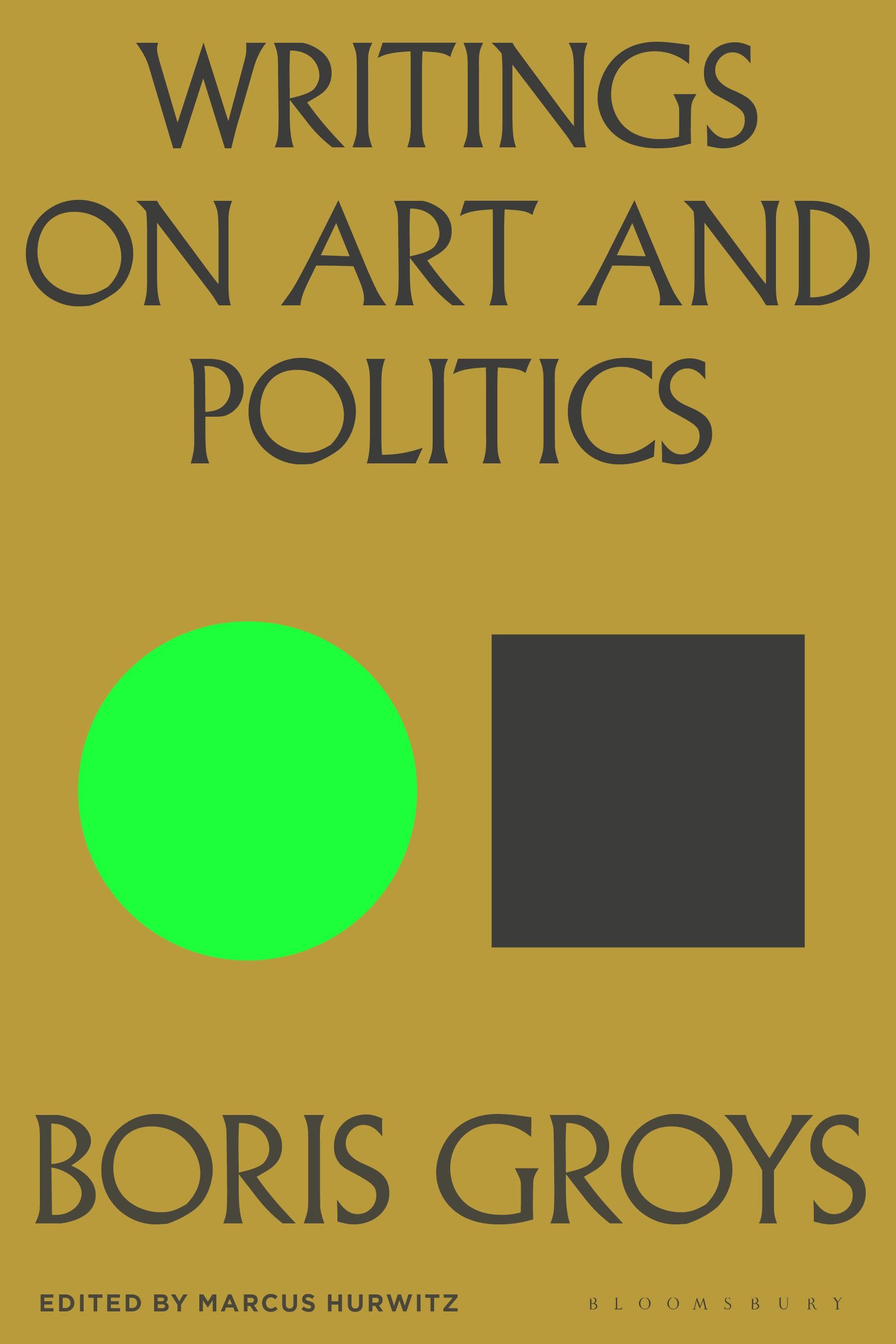
To the philosopher Boris Groys, everything technology produces in the modern world ultimately falls into two categories – it's art, or it's garbage. Both are useless, defunctionalized objects that simply lie there. The difference between them comes when we immunize art from the destructive power of time to which we devoutly deliver our garbage.
In this collection of essays and interviews, Groys expounds on these paradoxes, taking in art, the dialectic of work, the afterlife, politics, utopia, philosophy, faith, revolution, the avant-garde and digitalization. His philosophical writings critique the political economy of heterotopia, whereas his writings on art concern the things of the afterlife: only the politics of immortality promises salvation from the garbage pit.
Groys sees the history of class struggle as a history of aestheticization - defined by the forms spectators recognize as valuable enough to preserve, which they will fight to the death to preserve from disappearance and nonexistence. Western civilization's tendency to aestheticize politicizes everything. If we can design ourselves as artworks worthy of admiration and care, then can we too survive the ravages of time?
Bringing together previously unpublished texts, newly translated work and interviews, this is a coruscating trip through the complex and challenging philosophical and cultural problems that Boris Groys has made it his life's work to deal with.
In this collection of essays and interviews, Groys expounds on these paradoxes, taking in art, the dialectic of work, the afterlife, politics, utopia, philosophy, faith, revolution, the avant-garde and digitalization. His philosophical writings critique the political economy of heterotopia, whereas his writings on art concern the things of the afterlife: only the politics of immortality promises salvation from the garbage pit.
Groys sees the history of class struggle as a history of aestheticization - defined by the forms spectators recognize as valuable enough to preserve, which they will fight to the death to preserve from disappearance and nonexistence. Western civilization's tendency to aestheticize politicizes everything. If we can design ourselves as artworks worthy of admiration and care, then can we too survive the ravages of time?
Bringing together previously unpublished texts, newly translated work and interviews, this is a coruscating trip through the complex and challenging philosophical and cultural problems that Boris Groys has made it his life's work to deal with.
Zahle einfach mit Karte, Klarna, Apple Pay oder Google Pay. Nicht zufrieden? Du hast immer ein 14-tägiges Widerrufsrecht. Lies mehr in unseren AGB. Hast du Fragen, schreib uns eine E-Mail an hello@memmo.org.
Memmo macht das Lernen einfacher – wo auch immer du bist. Bei uns findest du deine Kursbücher und smarte Lerntools an einem Ort: Zusammenfassungen, Quizzes, Podcasts und Lernkarten. Und Ted, dein Lernbuddy, beantwortet alles, was du wissen möchtest. Über 50.000 Studierende lernen bereits hier – gemacht, damit du schneller lernst und weniger Stress hast.