
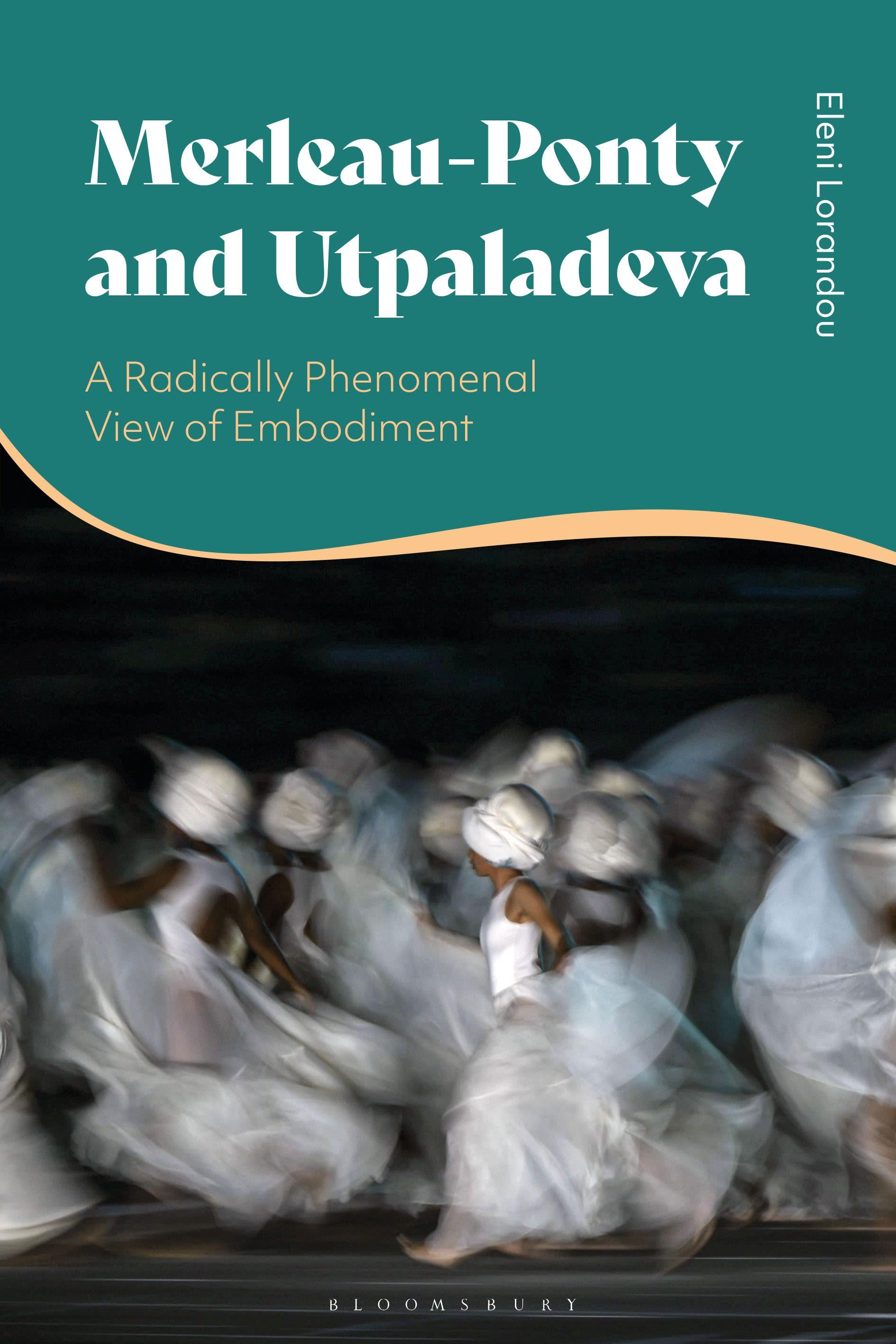
Bridging the gap between two distinct philosophical traditions, Eleni Lorandou finds consonance in the philosophies of Merleau-Ponty and Utpaladeva to articulate a radically phenomenal view of embodiment. In an argument for the transcendence of limiting dualisms in thinking, she explores how western postmodernism and Indian classical thought can speak to one another across centuries, complementing each other in a new and constructive philosophy.
By bringing the phenomenology of Merleau-Ponty and the Recognition School of Utpaladeva into dialogue Lorandou uncovers intriguing insights into the constitution and possibilities of human experience. She delves into the intricacies of how we perceive the world around us and considers how our embodied existence shapes our understanding and experience. Questioning the notion that our perception directly corresponds to an objective reality and focusing on the topics of 'other minds', Lorandou draws soteriological conclusions.
Examining the relevance of Merleau-Ponty's phenomenological reduction and Utpaladeva's self-recognition, this illuminating study turns our attention to the topics of perception, embodiment, realism, intersubjectivity, and, ultimately, the transformative implications of philosophical inquiry.
By bringing the phenomenology of Merleau-Ponty and the Recognition School of Utpaladeva into dialogue Lorandou uncovers intriguing insights into the constitution and possibilities of human experience. She delves into the intricacies of how we perceive the world around us and considers how our embodied existence shapes our understanding and experience. Questioning the notion that our perception directly corresponds to an objective reality and focusing on the topics of 'other minds', Lorandou draws soteriological conclusions.
Examining the relevance of Merleau-Ponty's phenomenological reduction and Utpaladeva's self-recognition, this illuminating study turns our attention to the topics of perception, embodiment, realism, intersubjectivity, and, ultimately, the transformative implications of philosophical inquiry.
Zahle einfach mit Karte, Klarna, Apple Pay oder Google Pay. Nicht zufrieden? Du hast immer ein 14-tägiges Widerrufsrecht. Lies mehr in unseren AGB. Hast du Fragen, schreib uns eine E-Mail an hello@memmo.org.
Memmo macht das Lernen einfacher – wo auch immer du bist. Bei uns findest du deine Kursbücher und smarte Lerntools an einem Ort: Zusammenfassungen, Quizzes, Podcasts und Lernkarten. Und Ted, dein Lernbuddy, beantwortet alles, was du wissen möchtest. Über 50.000 Studierende lernen bereits hier – gemacht, damit du schneller lernst und weniger Stress hast.