
2026 ACT Literary Award for Nonfiction
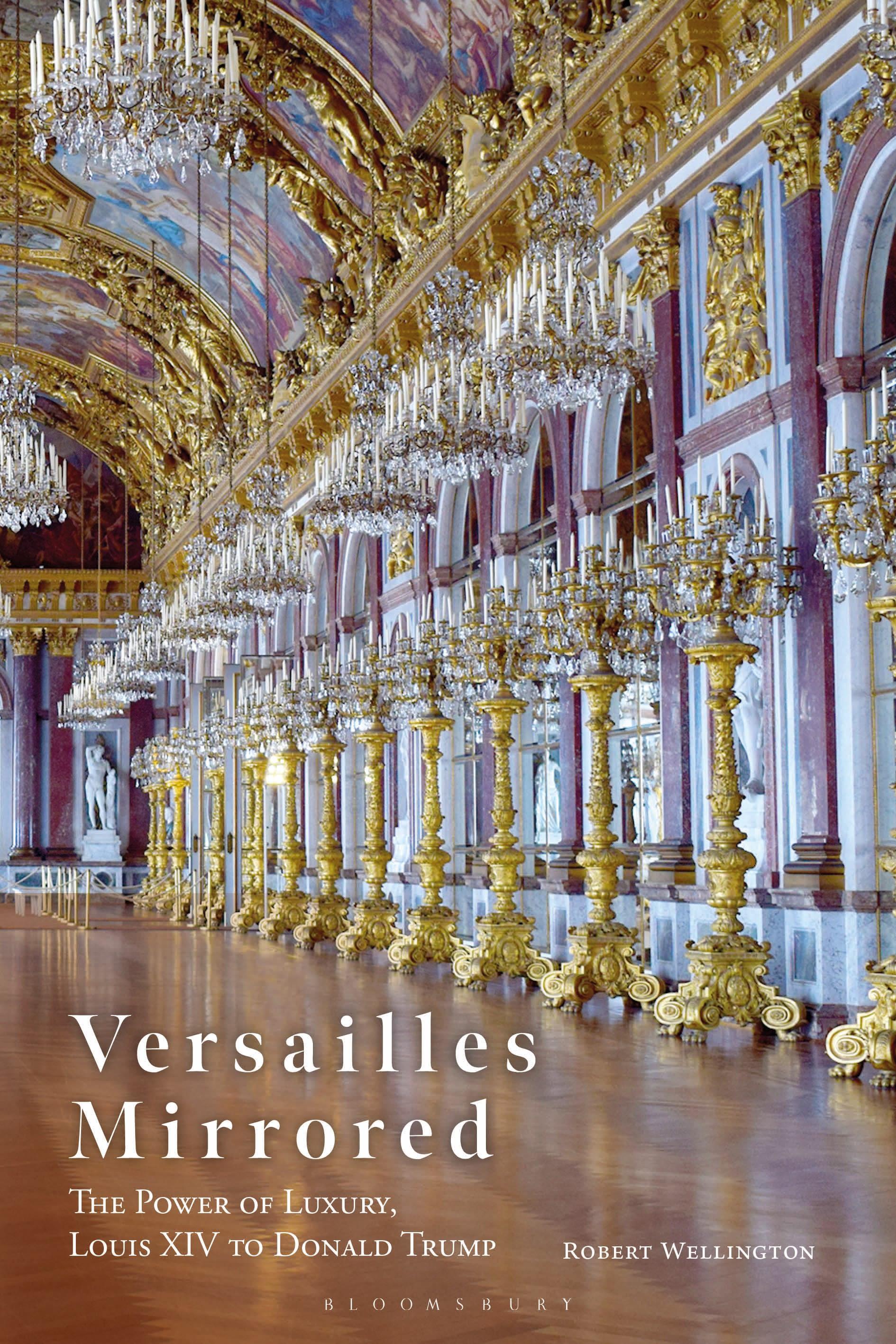
Why has Louis XIV's Palace of Versailles, defining symbol of hedonistic opulence in 17th-century France and synonymous with the notion of the divine right of kings, continued to shape the aesthetics of cultural capital in the centuries since his death?
In Versailles Mirrored, Robert Wellington tracks this enduring fascination with the Sun King's palace through eight case studies spanning the 17th to 21st centuries. The book demonstrates how the extravagant palace style began as a symbol of the state in the 17th century; how it was adopted by the nouveau riche to show off their financial success in the 19th century; and, remarkably, how that palace look returned to play a role in statecraft in the hands of US President Donald Trump. Wellington links the aristocratic architectural traditions of France, England, and Germany to North America through the lens of Versailles, French architecture, and the decorative arts.
Opening with a brief overview of the history of Versailles and the political and cultural motivations of its creation, subsequent chapters address aristocratic buildings in France and Germany built by the Sun King's contemporaries; historicism in the 19th century in Britain, Germany, and America; and the present day, with Trump's buildings and Château Louis XIV, known as the 'world's most expensive home', purchased by the Crown Prince of Saudi Arabia.
In uncovering the motivations of those patrons, the book ultimately reveals why Versailles remains a powerful point of reference for those who wish to flaunt their social, cultural, and political capital.
Why has Louis XIV's Palace of Versailles, defining symbol of hedonistic opulence in 17th-century France and synonymous with the notion of the divine right of kings, continued to shape the aesthetics of cultural capital in the centuries since his death?
In Versailles Mirrored, Robert Wellington tracks this enduring fascination with the Sun King's palace through eight case studies spanning the 17th to 21st centuries. The book demonstrates how the extravagant palace style began as a symbol of the state in the 17th century; how it was adopted by the nouveau riche to show off their financial success in the 19th century; and, remarkably, how that palace look returned to play a role in statecraft in the hands of US President Donald Trump. Wellington links the aristocratic architectural traditions of France, England, and Germany to North America through the lens of Versailles, French architecture, and the decorative arts.
Opening with a brief overview of the history of Versailles and the political and cultural motivations of its creation, subsequent chapters address aristocratic buildings in France and Germany built by the Sun King's contemporaries; historicism in the 19th century in Britain, Germany, and America; and the present day, with Trump's buildings and Château Louis XIV, known as the 'world's most expensive home', purchased by the Crown Prince of Saudi Arabia.
In uncovering the motivations of those patrons, the book ultimately reveals why Versailles remains a powerful point of reference for those who wish to flaunt their social, cultural, and political capital.
Seiten: 256
Kategorie: Konst, Design & Fotografi
e-ISBN: 9781350451339
Versandgewicht: 1.2 kg
Versand in: 1-2 Tage
Zahle einfach mit Karte, Klarna, Apple Pay oder Google Pay. Nicht zufrieden? Du hast immer ein 14-tägiges Widerrufsrecht. Lies mehr in unseren AGB. Hast du Fragen, schreib uns eine E-Mail an hello@memmo.org.
Memmo macht das Lernen einfacher – wo auch immer du bist. Bei uns findest du deine Kursbücher und smarte Lerntools an einem Ort: Zusammenfassungen, Quizzes, Podcasts und Lernkarten. Und Ted, dein Lernbuddy, beantwortet alles, was du wissen möchtest. Über 50.000 Studierende lernen bereits hier – gemacht, damit du schneller lernst und weniger Stress hast.