
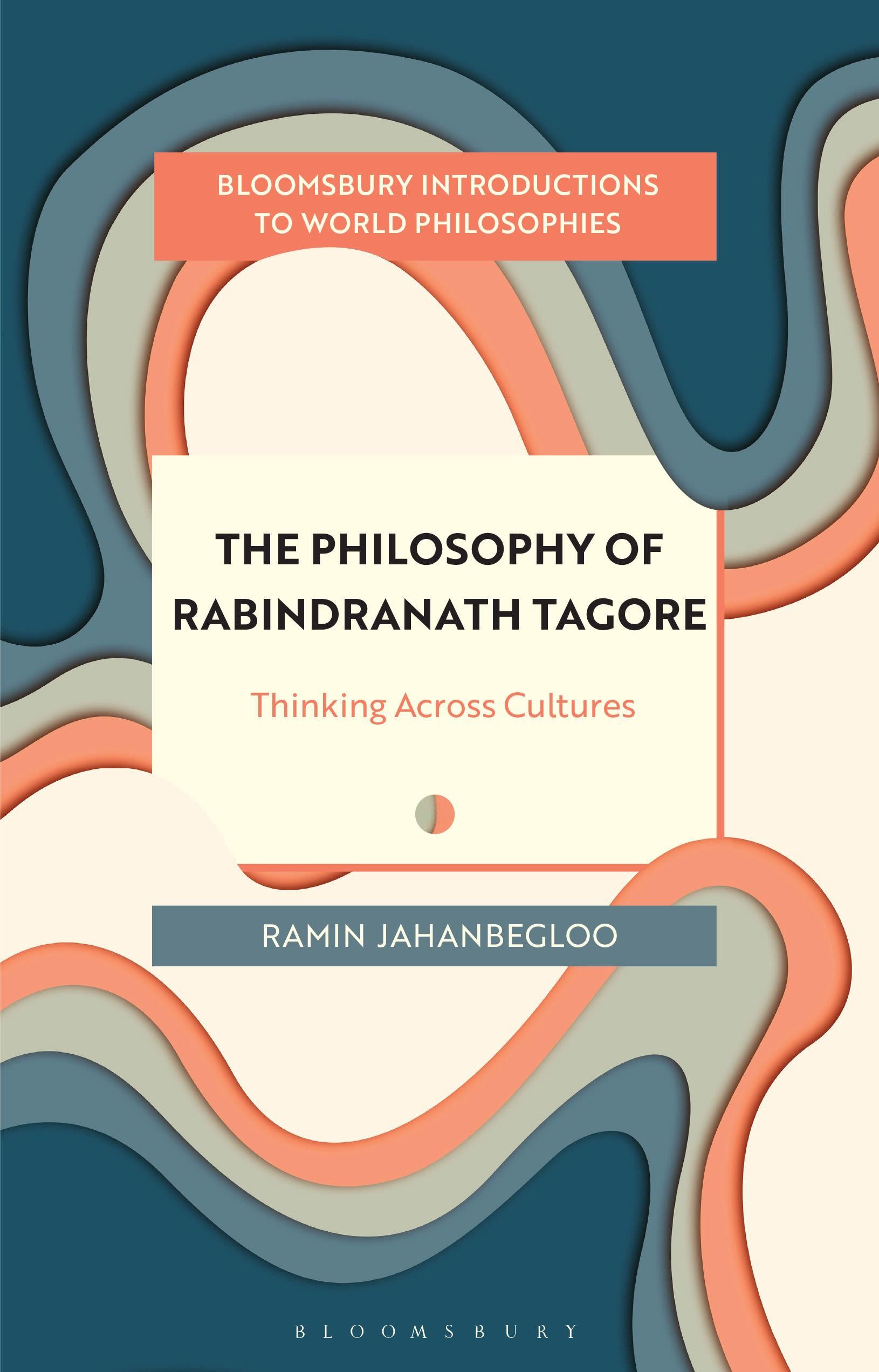
Where does the great Bengali poet and philosopher Rabindranath Tagore stand in today's global world?
The legacy of Rabindranath Tagore is vast. No writer in the history of India and Asia in general matches his variety and range of creation. In this book, Ramin Jahanbegloo looks beyond the poetry and literature for which Tagore was awarded the Nobel Prize, showing how his thinking enriches every branch of the humanities – philosophy, pedagogy and the arts.
Each chapter is dedicated to one aspect of Tagore's philosophy: his vision of human nature and its relation to Nature and God; his views on interculturality and dialogue among cultures; the idea of universal education and its influence on modern educative institutions. Reading Tagore as an intercultural thinker, Jahanbegloo seeks to understand how he confronted violent and fanatic orders. He places an emphasis on Tagore's social and political contributions, his dialogue with Gandhi and his approach to colonialism.
Attempting to bring civilisations and cultures closer together, Tagore answered many of the intellectual, moral and spiritual crises of his time. His work has inspired writers and intellectuals from different parts of the world for more than a century. This far-reaching exploration of the many facets of Tagore's multi-dimensional thoughts allows us to understand why.
The legacy of Rabindranath Tagore is vast. No writer in the history of India and Asia in general matches his variety and range of creation. In this book, Ramin Jahanbegloo looks beyond the poetry and literature for which Tagore was awarded the Nobel Prize, showing how his thinking enriches every branch of the humanities – philosophy, pedagogy and the arts.
Each chapter is dedicated to one aspect of Tagore's philosophy: his vision of human nature and its relation to Nature and God; his views on interculturality and dialogue among cultures; the idea of universal education and its influence on modern educative institutions. Reading Tagore as an intercultural thinker, Jahanbegloo seeks to understand how he confronted violent and fanatic orders. He places an emphasis on Tagore's social and political contributions, his dialogue with Gandhi and his approach to colonialism.
Attempting to bring civilisations and cultures closer together, Tagore answered many of the intellectual, moral and spiritual crises of his time. His work has inspired writers and intellectuals from different parts of the world for more than a century. This far-reaching exploration of the many facets of Tagore's multi-dimensional thoughts allows us to understand why.
Zahle einfach mit Karte, Klarna, Apple Pay oder Google Pay. Nicht zufrieden? Du hast immer ein 14-tägiges Widerrufsrecht. Lies mehr in unseren AGB. Hast du Fragen, schreib uns eine E-Mail an hello@memmo.org.
Memmo macht das Lernen einfacher – wo auch immer du bist. Bei uns findest du deine Kursbücher und smarte Lerntools an einem Ort: Zusammenfassungen, Quizzes, Podcasts und Lernkarten. Und Ted, dein Lernbuddy, beantwortet alles, was du wissen möchtest. Über 50.000 Studierende lernen bereits hier – gemacht, damit du schneller lernst und weniger Stress hast.