
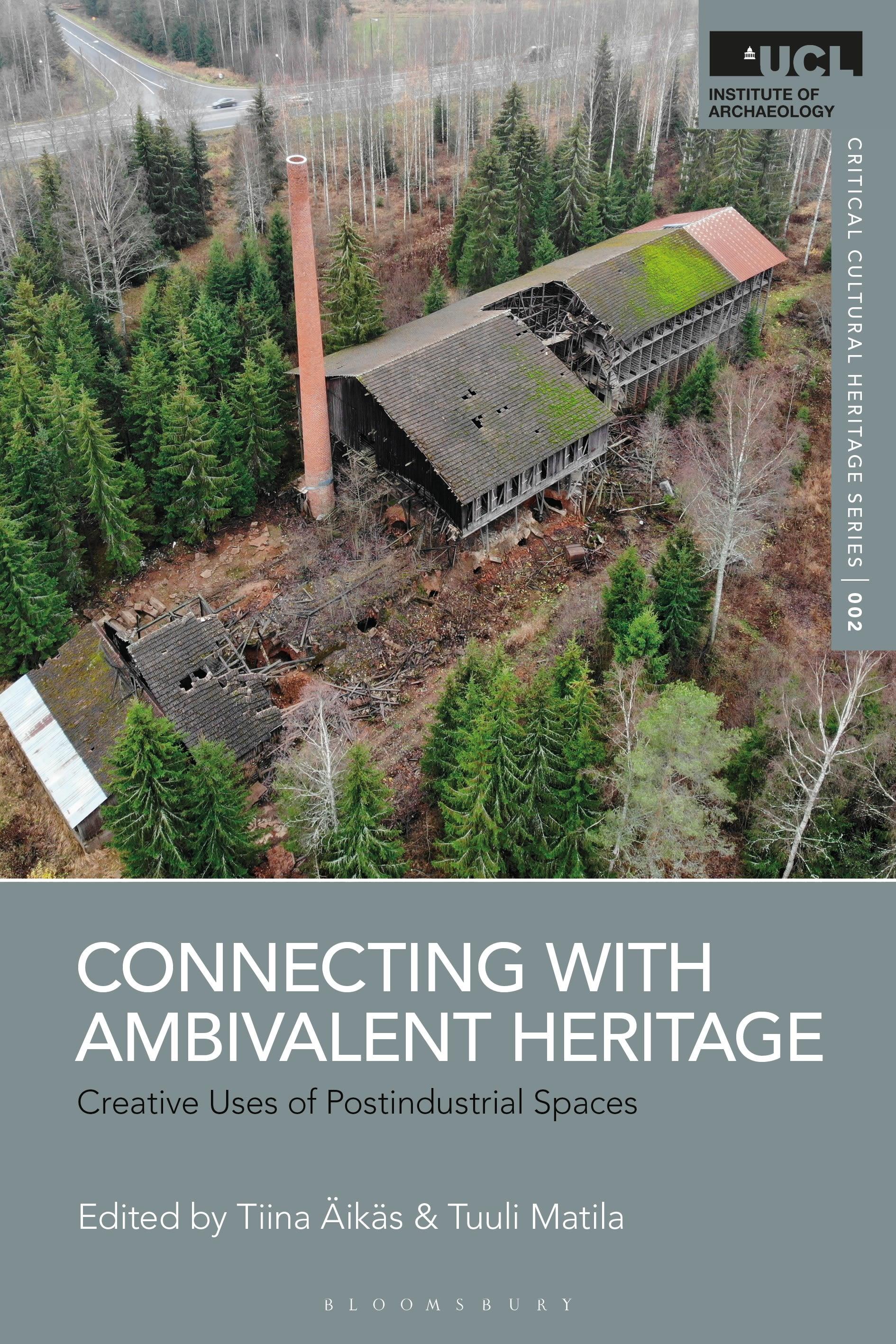
Exploring the difficult and contested sites of deindustrialized society on the brink of transformation to either heritage or wasteland, this volume looks at the creative ways that such sites are (re)used and suggests that they are not always merely abject or abandoned. As a result, our understanding of the meanings given to left over spaces is enhanced by an examination of the ways they are used.
Ambivalent heritage sites are not always recognized for their potential, although artists and people from different recreational activities, such as industrial sites and parkour, use and experience these places in different ways. The contributors introduce fresh ideas on how to approach these sites and the people invested in them, employing multidisciplinary methodologies from archaeology and heritage studies to ethnography and sociology. Through the use of Northern-European case studies such as a former sanatorium, a prison and the Chornobyl Exclusion Zone, the reader gains a new perspective on these sites of contestation, which are cherished despite their problematic status. The conclusion is that due to the rapid societal change we are experiencing in the contemporary world, heritage professionals must start to acknowledge and deal with the difficulties that ambivalent heritage sites pose.
Ambivalent heritage sites are not always recognized for their potential, although artists and people from different recreational activities, such as industrial sites and parkour, use and experience these places in different ways. The contributors introduce fresh ideas on how to approach these sites and the people invested in them, employing multidisciplinary methodologies from archaeology and heritage studies to ethnography and sociology. Through the use of Northern-European case studies such as a former sanatorium, a prison and the Chornobyl Exclusion Zone, the reader gains a new perspective on these sites of contestation, which are cherished despite their problematic status. The conclusion is that due to the rapid societal change we are experiencing in the contemporary world, heritage professionals must start to acknowledge and deal with the difficulties that ambivalent heritage sites pose.
Zahle einfach mit Karte, Klarna, Apple Pay oder Google Pay. Nicht zufrieden? Du hast immer ein 14-tägiges Widerrufsrecht. Lies mehr in unseren AGB. Hast du Fragen, schreib uns eine E-Mail an hello@memmo.org.
Memmo macht das Lernen einfacher – wo auch immer du bist. Bei uns findest du deine Kursbücher und smarte Lerntools an einem Ort: Zusammenfassungen, Quizzes, Podcasts und Lernkarten. Und Ted, dein Lernbuddy, beantwortet alles, was du wissen möchtest. Über 50.000 Studierende lernen bereits hier – gemacht, damit du schneller lernst und weniger Stress hast.