
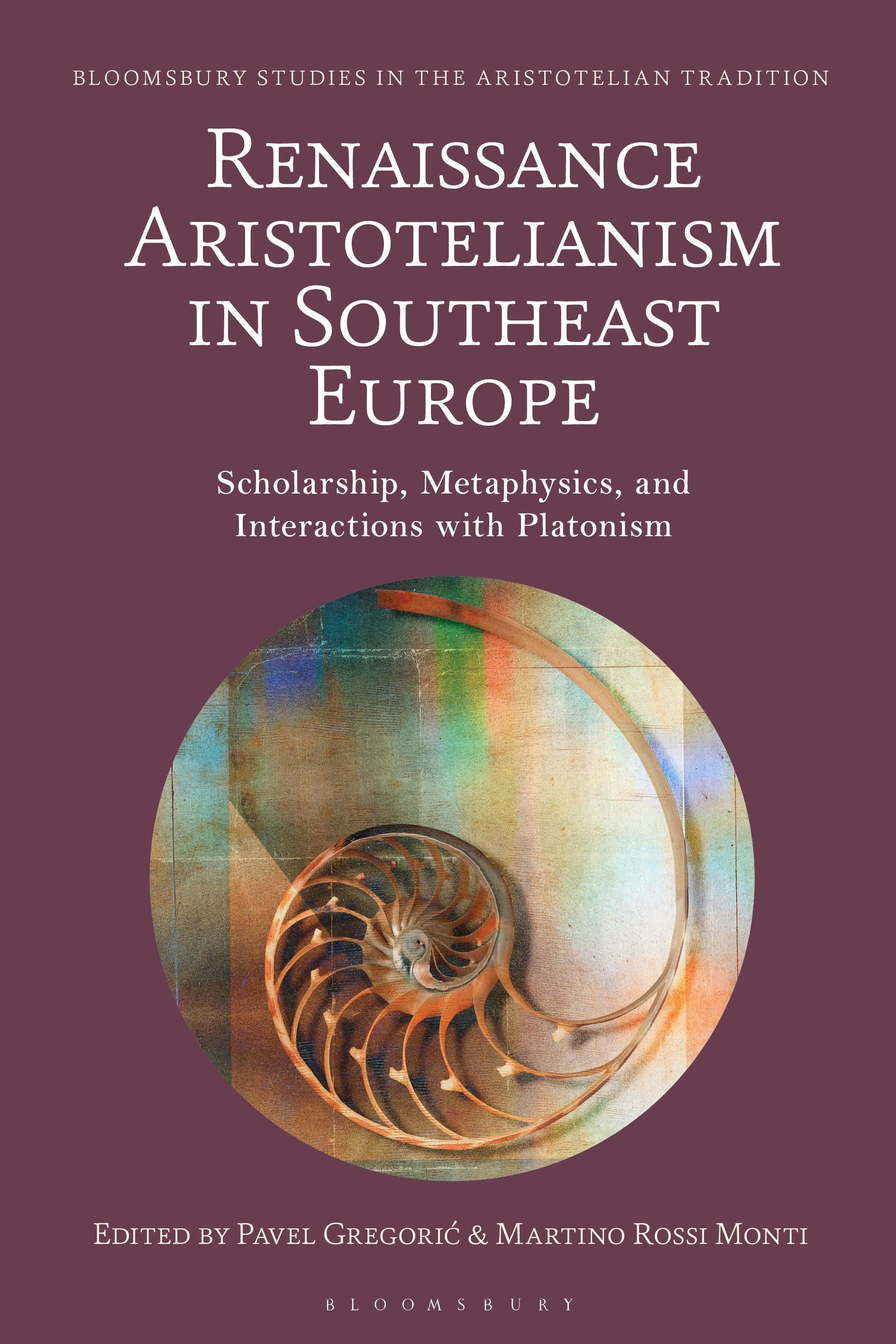
In this volume, leading scholars explore aspects of Renaissance Aristotelianism in the overlooked region of Southeast Europe.
Uncovering forgotten texts, neglected topics, and little-known authors, ten chapters examine the philosophies and scholarly practices of figures including Antonio Zara, Nikola Vitov Gucetic (Nicolaus Viti Gozzius), Matija Frkic (Matthaeus Ferchius), Juraj Dubrovcanin (Georgius Raguseius), and Daniel Furlanus.
The volume is organized into three sections. 'Scholarship' explores various aspects of accumulation, organization, and the display of knowledge typical for the Renaissance period. 'Metaphysics' looks at Aristotelian cosmological theories and doctrines, as well as exceptions to the general demise of metaphysics as a discipline in the Renaissance. 'Interactions with Platonism' provides different angles on how Renaissance philosophers handled the authority and the intellectual legacy of the two towering figures, Plato and Aristotle. In so doing, this volume provides insight into a number of topics central to Renaissance Aristotelianism in general.
Beginning with an Editors' Introduction offering vital context to the differing interpretations of Aristotelianism at the time, as well as a brief history of the areas in focus, this is an essential resource for anyone wanting to broaden their understanding of Renaissance Aristotelianism beyond the oft-examined cultural centres of Western Europe.
Uncovering forgotten texts, neglected topics, and little-known authors, ten chapters examine the philosophies and scholarly practices of figures including Antonio Zara, Nikola Vitov Gucetic (Nicolaus Viti Gozzius), Matija Frkic (Matthaeus Ferchius), Juraj Dubrovcanin (Georgius Raguseius), and Daniel Furlanus.
The volume is organized into three sections. 'Scholarship' explores various aspects of accumulation, organization, and the display of knowledge typical for the Renaissance period. 'Metaphysics' looks at Aristotelian cosmological theories and doctrines, as well as exceptions to the general demise of metaphysics as a discipline in the Renaissance. 'Interactions with Platonism' provides different angles on how Renaissance philosophers handled the authority and the intellectual legacy of the two towering figures, Plato and Aristotle. In so doing, this volume provides insight into a number of topics central to Renaissance Aristotelianism in general.
Beginning with an Editors' Introduction offering vital context to the differing interpretations of Aristotelianism at the time, as well as a brief history of the areas in focus, this is an essential resource for anyone wanting to broaden their understanding of Renaissance Aristotelianism beyond the oft-examined cultural centres of Western Europe.
Zahle einfach mit Karte, Klarna, Apple Pay oder Google Pay. Nicht zufrieden? Du hast immer ein 14-tägiges Widerrufsrecht. Lies mehr in unseren AGB. Hast du Fragen, schreib uns eine E-Mail an hello@memmo.org.
Memmo macht das Lernen einfacher – wo auch immer du bist. Bei uns findest du deine Kursbücher und smarte Lerntools an einem Ort: Zusammenfassungen, Quizzes, Podcasts und Lernkarten. Und Ted, dein Lernbuddy, beantwortet alles, was du wissen möchtest. Über 50.000 Studierende lernen bereits hier – gemacht, damit du schneller lernst und weniger Stress hast.