
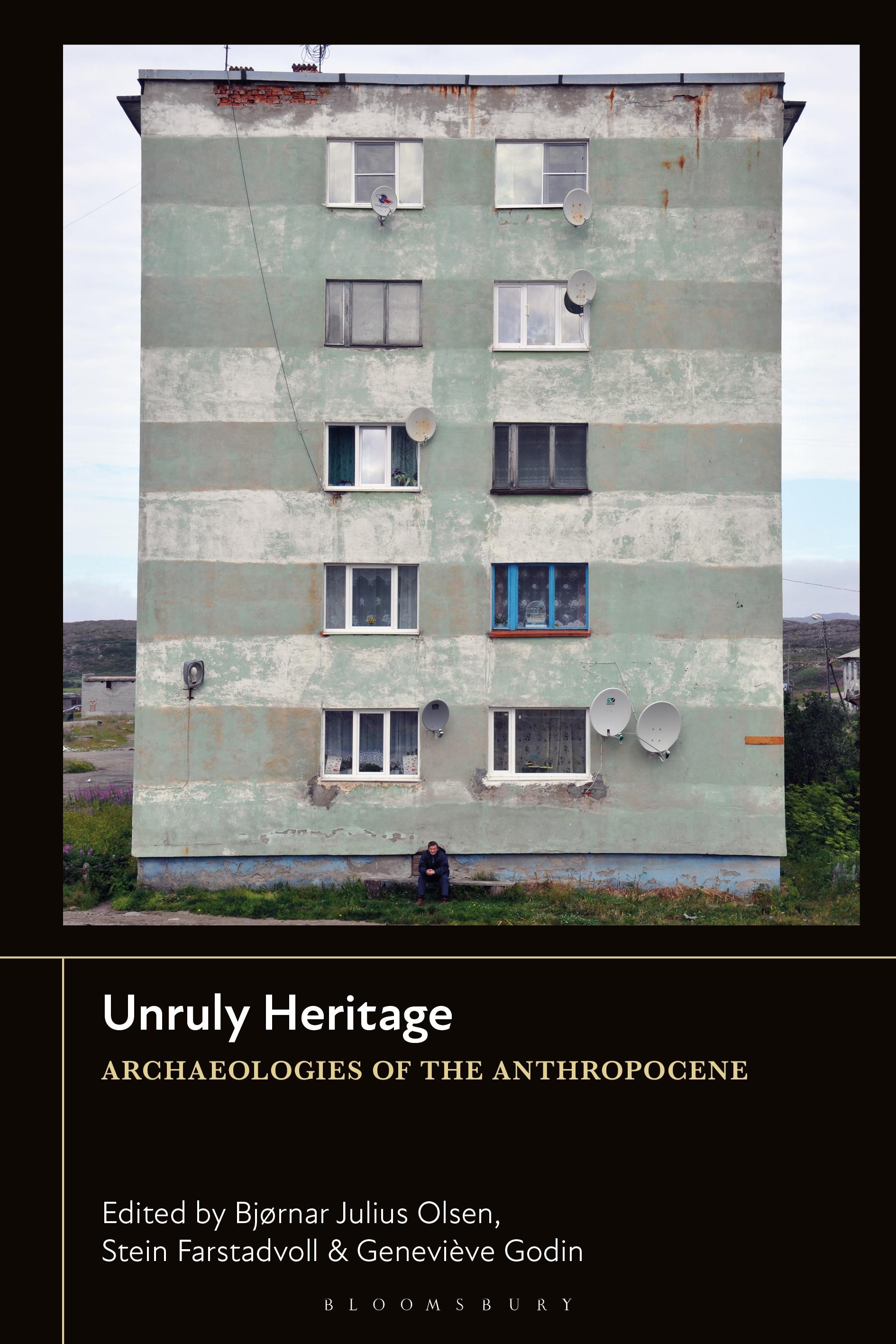
Heritage is almost univocally conceived of as valuable and good, something we care for and preserve for ourselves and future generations. Although traditionally associated with the unique and monumental, heritage has over the last decades been broadened in response to claims to incorporate more diverse and globally representative legacies. While such claims are of course welcome, they do not embrace the bulging unruly and obnoxious legacies that now haunt us; legacies that have become so conspicuously manifest that they are claimed as diagnostic of a new epoch, the Anthropocene.
This book targets this exclusion. It claims that the current 'clash' between prevailing conceptions of heritage as something confined, wished for and thus worth saving, and the unruly legacies ignoring such work of purification, urges a reconsideration of strategies and rationales for how to 'deal with' heritage. Through multidisciplinary approaches, ranging from archaeology and heritage studies to philosophy and environmental politics, the contributions bring heritage into dialogue with a wide range of topics including industrialisation, material profusion, modernist architectural material, coastal reclamations, barbed wire, and naval mines. The result is a volume that profoundly challenges traditional understandings of heritage as an exclusive reserve of things selected and managed by us.
This book targets this exclusion. It claims that the current 'clash' between prevailing conceptions of heritage as something confined, wished for and thus worth saving, and the unruly legacies ignoring such work of purification, urges a reconsideration of strategies and rationales for how to 'deal with' heritage. Through multidisciplinary approaches, ranging from archaeology and heritage studies to philosophy and environmental politics, the contributions bring heritage into dialogue with a wide range of topics including industrialisation, material profusion, modernist architectural material, coastal reclamations, barbed wire, and naval mines. The result is a volume that profoundly challenges traditional understandings of heritage as an exclusive reserve of things selected and managed by us.
Zahle einfach mit Karte, Klarna, Apple Pay oder Google Pay. Nicht zufrieden? Du hast immer ein 14-tägiges Widerrufsrecht. Lies mehr in unseren AGB. Hast du Fragen, schreib uns eine E-Mail an hello@memmo.org.
Memmo macht das Lernen einfacher – wo auch immer du bist. Bei uns findest du deine Kursbücher und smarte Lerntools an einem Ort: Zusammenfassungen, Quizzes, Podcasts und Lernkarten. Und Ted, dein Lernbuddy, beantwortet alles, was du wissen möchtest. Über 50.000 Studierende lernen bereits hier – gemacht, damit du schneller lernst und weniger Stress hast.