
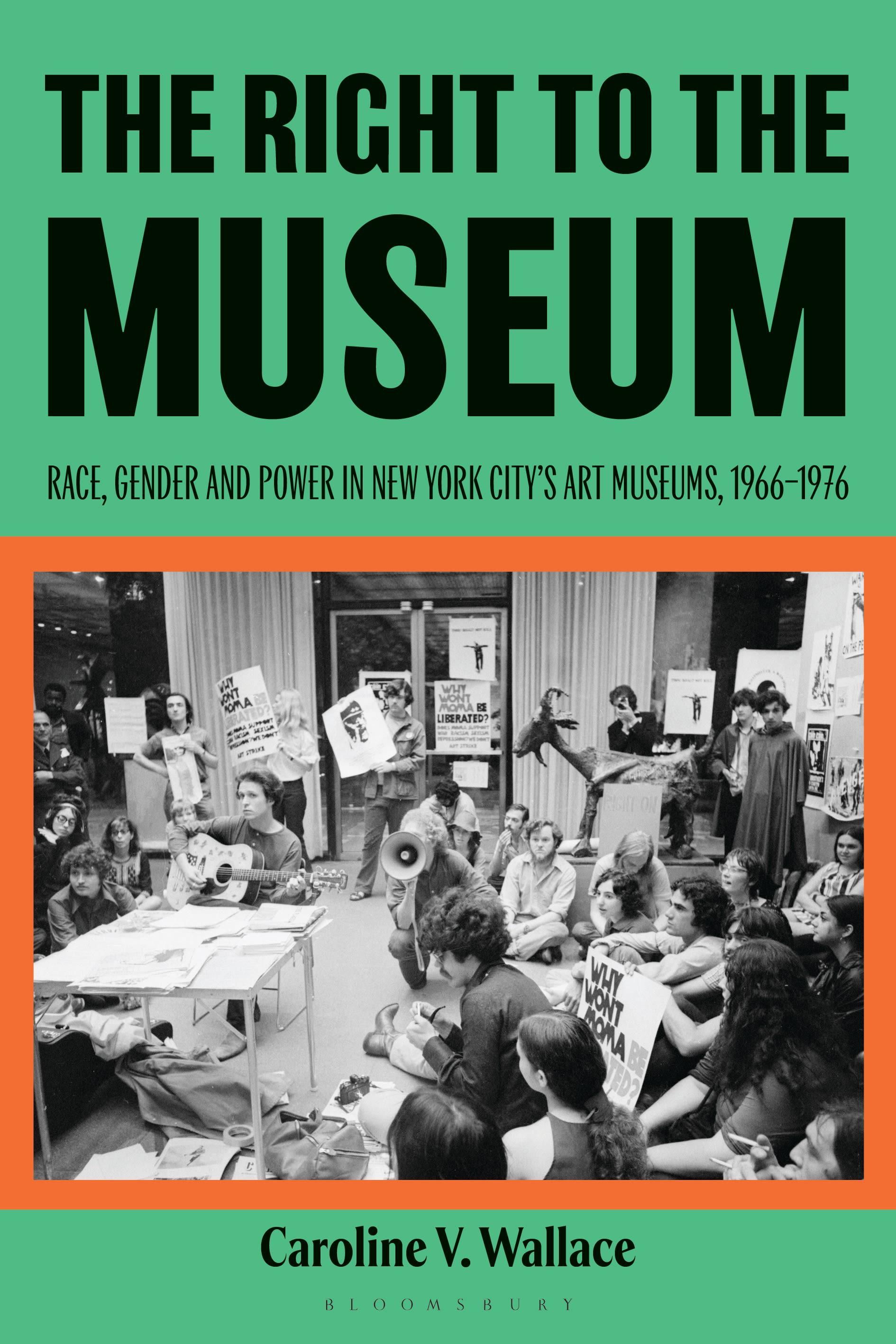
Who does the space of the museum really belong to? How can museums become sites of social change? What role can artists play in making museums more inclusive?
This book explores the ways in which New York City's art museums were actively reshaped and radically reimagined by artists in the 1960s and 70s. Through a messy array of protests – feminist sitins, theatrical performances, and placard waving pickets – artists asserted their authority over the institutions responsible for the display and collection of their work. But they also created their own; as neighborhood museums, artist projects and collective spaces. Presenting a rich history of spatial reclamation and appropriation, this book offers an innovative new reading of this intense period of artist-activism and museum making.
Each chapter focuses on a specific institution in New York, whilst making connections to urban movements for spatial justice. Drawn from archival research and new spatial readings of art activism, the book also charts the history of Black, Puerto Rican and feminist groups, and how institutions coopted their ideals to facilitate the expansion of museums in late capitalism.
At a time when museums are again sites of protest and politics, The Right to the Museum forms a crucial contribution to broader understanding of the history of museums, and the relationship between artists and society. In looking back, it recovers the potential of the museum as a site for social and political transformation.
This book explores the ways in which New York City's art museums were actively reshaped and radically reimagined by artists in the 1960s and 70s. Through a messy array of protests – feminist sitins, theatrical performances, and placard waving pickets – artists asserted their authority over the institutions responsible for the display and collection of their work. But they also created their own; as neighborhood museums, artist projects and collective spaces. Presenting a rich history of spatial reclamation and appropriation, this book offers an innovative new reading of this intense period of artist-activism and museum making.
Each chapter focuses on a specific institution in New York, whilst making connections to urban movements for spatial justice. Drawn from archival research and new spatial readings of art activism, the book also charts the history of Black, Puerto Rican and feminist groups, and how institutions coopted their ideals to facilitate the expansion of museums in late capitalism.
At a time when museums are again sites of protest and politics, The Right to the Museum forms a crucial contribution to broader understanding of the history of museums, and the relationship between artists and society. In looking back, it recovers the potential of the museum as a site for social and political transformation.
Seiten: 224
Kategorie: Kultur-, Genus- & Postkoloniala studier
e-ISBN: 9781350412293
Versandgewicht: 1.2 kg
Versand in: 1-2 Tage
Zahle einfach mit Karte, Klarna, Apple Pay oder Google Pay. Nicht zufrieden? Du hast immer ein 14-tägiges Widerrufsrecht. Lies mehr in unseren AGB. Hast du Fragen, schreib uns eine E-Mail an hello@memmo.org.
Memmo macht das Lernen einfacher – wo auch immer du bist. Bei uns findest du deine Kursbücher und smarte Lerntools an einem Ort: Zusammenfassungen, Quizzes, Podcasts und Lernkarten. Und Ted, dein Lernbuddy, beantwortet alles, was du wissen möchtest. Über 50.000 Studierende lernen bereits hier – gemacht, damit du schneller lernst und weniger Stress hast.