
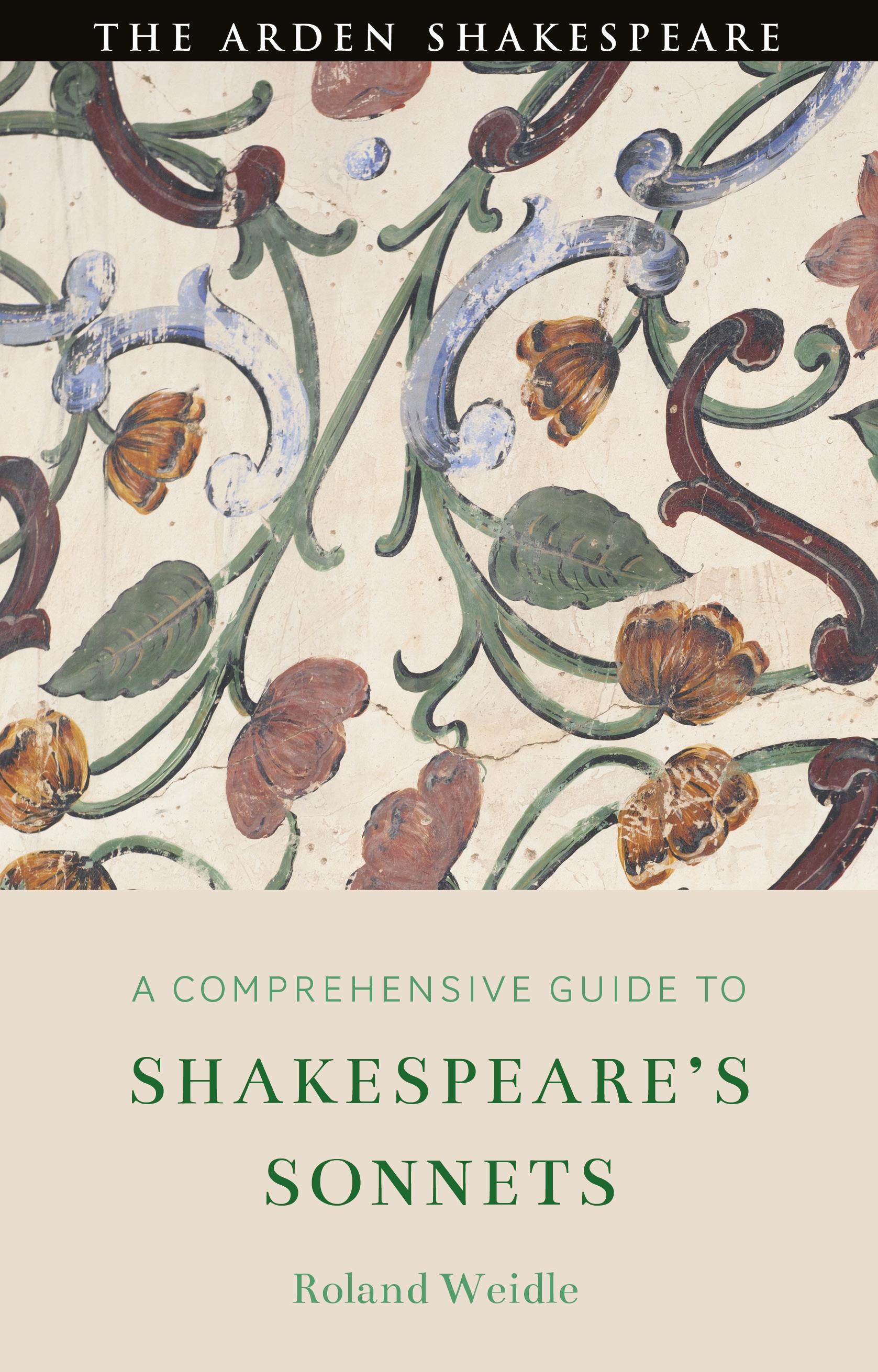
This book provides readers with the tools to unravel the complexities of one of the most difficult sonnet sequences, introducing them to the literary tradition, themes, stylistic features and cultural contexts of the genre and the collection, and offering close readings of more than 100 sonnets.
This combined approach enables readers not only to disentangle the complex relationships of the poems' characters but also to appreciate their philosophical, sensual, topical and subversive qualities.
Of the book's two sections, the first, 'Contexts and Forms', includes chapters on the sonnet tradition, early publication history, the structural features of the sequence and the Shakespearean sonnet, as well as the main characteristics of the dramatis personae. The second section, 'Themes', consists of 5 chapters and explores the theme clusters that can be identified throughout the sequence (preservation, writing, desire, deception, imagination). Additional features of the book include a step-by-step approach to a Shakespeare sonnet, a model interpretation of a sonnet, as well as charts and tables identifying and summarizing the sequence's mini-narratives, groups, addressees and themes. For easy reference, the sonnets discussed in the book are cross-referenced and listed in the index, which also includes key terms and names of works and people. Suggestions for further reading are provided at the end of each chapter, and the annotated bibliography includes brief descriptions of the most useful works for further study.
This combined approach enables readers not only to disentangle the complex relationships of the poems' characters but also to appreciate their philosophical, sensual, topical and subversive qualities.
Of the book's two sections, the first, 'Contexts and Forms', includes chapters on the sonnet tradition, early publication history, the structural features of the sequence and the Shakespearean sonnet, as well as the main characteristics of the dramatis personae. The second section, 'Themes', consists of 5 chapters and explores the theme clusters that can be identified throughout the sequence (preservation, writing, desire, deception, imagination). Additional features of the book include a step-by-step approach to a Shakespeare sonnet, a model interpretation of a sonnet, as well as charts and tables identifying and summarizing the sequence's mini-narratives, groups, addressees and themes. For easy reference, the sonnets discussed in the book are cross-referenced and listed in the index, which also includes key terms and names of works and people. Suggestions for further reading are provided at the end of each chapter, and the annotated bibliography includes brief descriptions of the most useful works for further study.
Zahle einfach mit Karte, Klarna, Apple Pay oder Google Pay. Nicht zufrieden? Du hast immer ein 14-tägiges Widerrufsrecht. Lies mehr in unseren AGB. Hast du Fragen, schreib uns eine E-Mail an hello@memmo.org.
Memmo macht das Lernen einfacher – wo auch immer du bist. Bei uns findest du deine Kursbücher und smarte Lerntools an einem Ort: Zusammenfassungen, Quizzes, Podcasts und Lernkarten. Und Ted, dein Lernbuddy, beantwortet alles, was du wissen möchtest. Über 50.000 Studierende lernen bereits hier – gemacht, damit du schneller lernst und weniger Stress hast.