
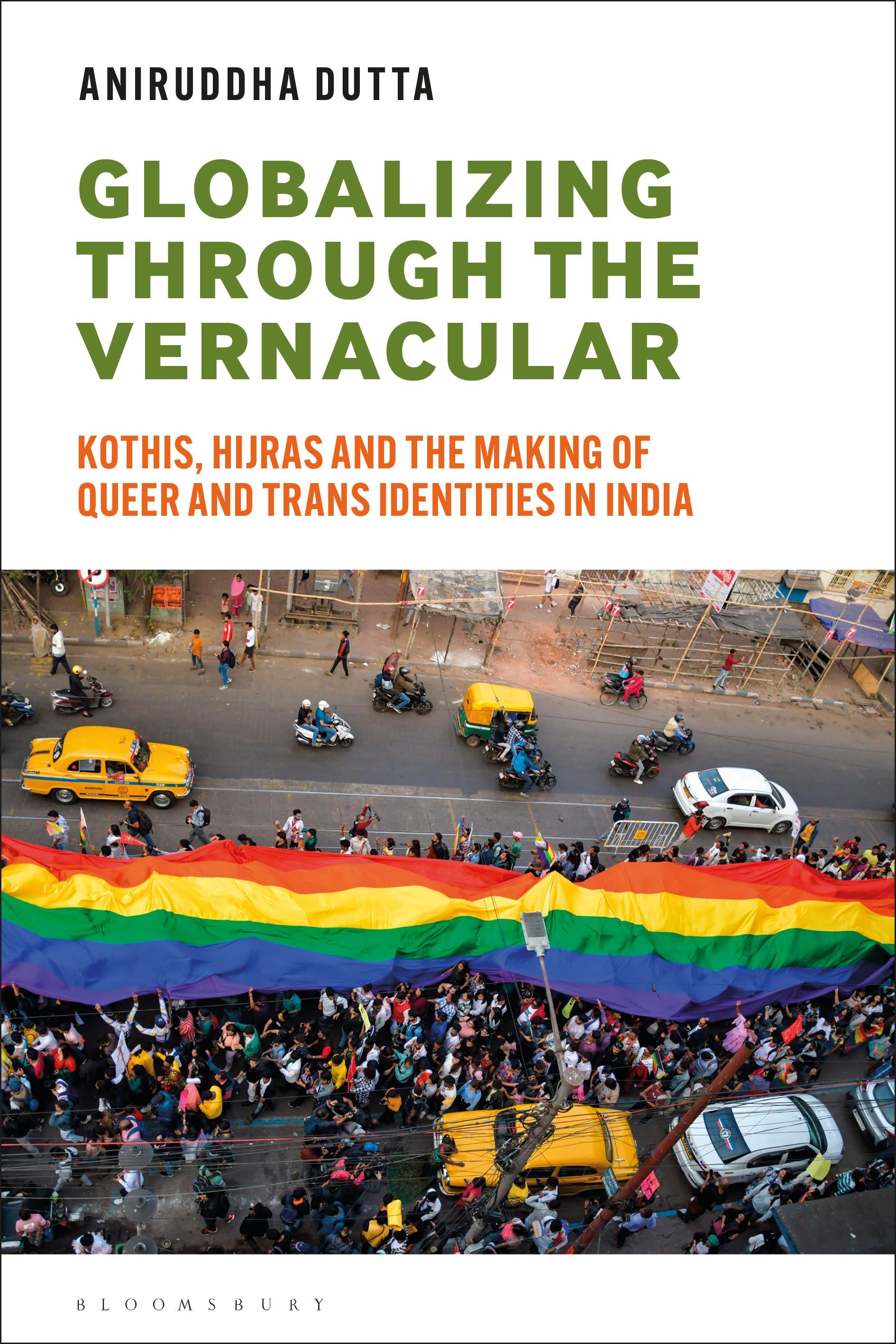
Globalizing through the Vernacular analyzes the relation between dominant frameworks of LGBTQ+ identity in India and non-elite, non-metropolitan communities such as kothis and hijras, a spectrum of feminine-identified people usually assigned male at birth. Going beyond the well-known 'third gender' hijra community, this is the first book to study the discourses and practices of related but underrepresented groups like kothis and dhuranis in small-town and rural India while simultaneously examining their relation to and role within LGBTQ+ identity politics.
Based on long-term ethnographic fieldwork, the book demonstrates that non-elite groups facilitate the transregional expansion of organized queer politics and become more consolidated as gender/sexual identities in the process. Yet, they often remain irreducible to emerging identity categories and become subordinated through hierarchies of scale and language that serve to contain such communities and related discourses as local and vernacular. The book shows how this process, in effect, denies them an equal role in transnational LGBT politics; reinforces class/caste hierarchies within and beyond queer communities; and delegitimizes or erases articulations of gender/sexual difference that contravene dominant understandings of gender/sexual identity aligned with transnational capitalism, liberalism, or nationalism. Simultaneously, it reveals how non-elite communities rearticulate dominant identity categories in more equal, liberatory ways.
Based on long-term ethnographic fieldwork, the book demonstrates that non-elite groups facilitate the transregional expansion of organized queer politics and become more consolidated as gender/sexual identities in the process. Yet, they often remain irreducible to emerging identity categories and become subordinated through hierarchies of scale and language that serve to contain such communities and related discourses as local and vernacular. The book shows how this process, in effect, denies them an equal role in transnational LGBT politics; reinforces class/caste hierarchies within and beyond queer communities; and delegitimizes or erases articulations of gender/sexual difference that contravene dominant understandings of gender/sexual identity aligned with transnational capitalism, liberalism, or nationalism. Simultaneously, it reveals how non-elite communities rearticulate dominant identity categories in more equal, liberatory ways.
Zahle einfach mit Karte, Klarna, Apple Pay oder Google Pay. Nicht zufrieden? Du hast immer ein 14-tägiges Widerrufsrecht. Lies mehr in unseren AGB. Hast du Fragen, schreib uns eine E-Mail an hello@memmo.org.
Memmo macht das Lernen einfacher – wo auch immer du bist. Bei uns findest du deine Kursbücher und smarte Lerntools an einem Ort: Zusammenfassungen, Quizzes, Podcasts und Lernkarten. Und Ted, dein Lernbuddy, beantwortet alles, was du wissen möchtest. Über 50.000 Studierende lernen bereits hier – gemacht, damit du schneller lernst und weniger Stress hast.