
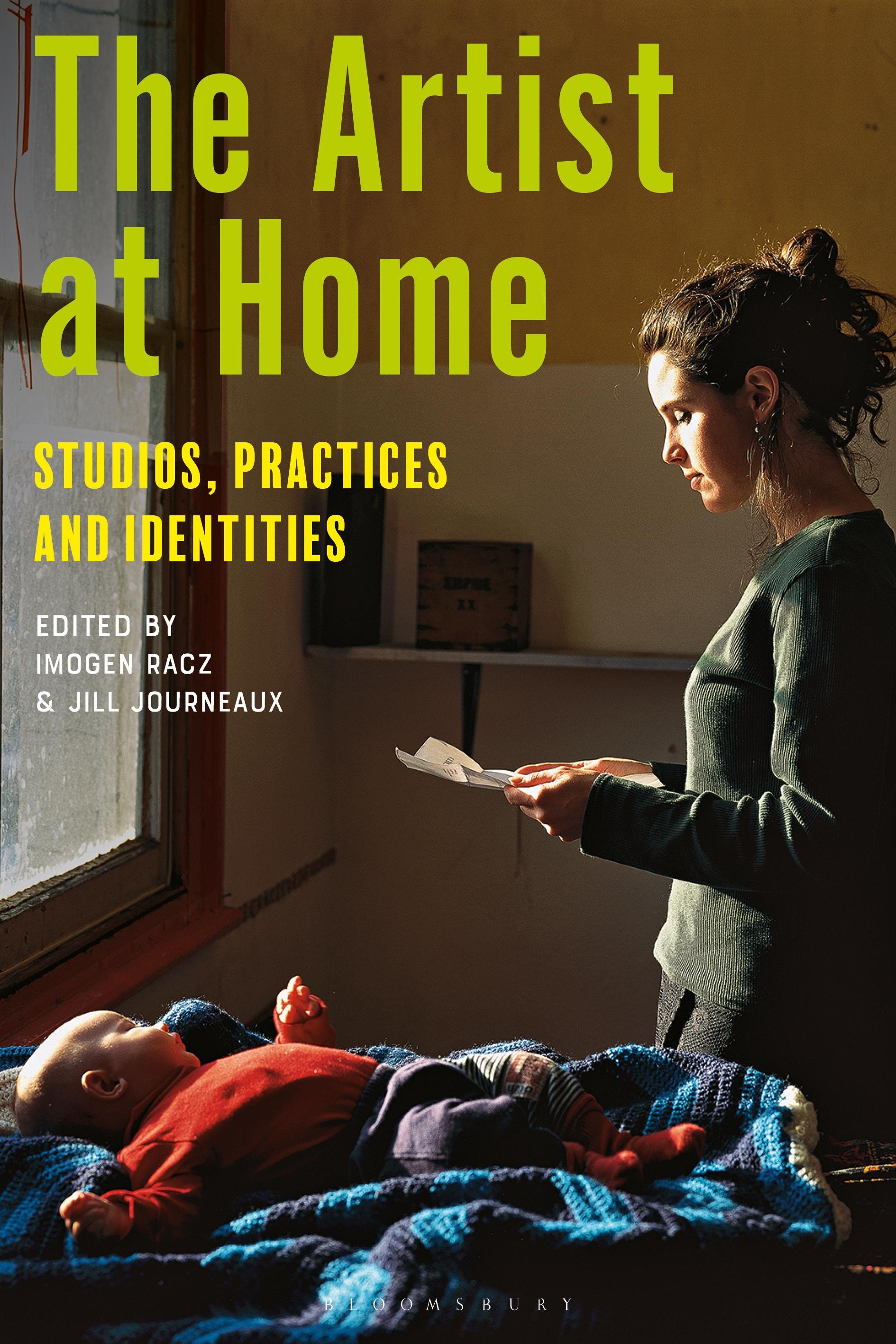
Artists have worked from home for many reasons, including care duties, financial or political constraints, or availability and proximity to others.
From the 'home studios' of Charles and Ray Eames, to the different photographic representations of Robert Rauschenberg's studio, this book explores the home as a distinct site of artistic practice, and the traditions and developments of the home studio as concept and space throughout the 20th and into the 21st century.
Using examples from across Europe and the Anglophone world between the mid-20th century and the present, each chapter considers the different circumstances for working at home, the impact on the creative lives of the artists, their identities as artists and on the work itself, and how, sometimes, these were projected and promoted through photographs and the media. Key themes include the gendered and performative aspects of women practising 'at home', collaborative studio communities of the 1970s – 90s including the appropriation of abandoned spaces in East London, and the effects of Covid on artistic practices and family life within the spaces of 'home'. The book comprises full-length chapters by artists, architects, art and design historians, each of whom bring different perspectives to the issues, interwoven with short interviews with artists to enrich and broaden the debates.
At a time when individual relationships to home environments have been radically altered, The Artist at Home considers why some artists in previous decades either needed to or chose to work from home, producing work of vitality and integrity. Tracing this long tradition into the present, the book will provide a deeper understanding of how the home studio has affected the practices and identity of artists working in different countries, and in different circumstances, from the mid-20th century to the present.
From the 'home studios' of Charles and Ray Eames, to the different photographic representations of Robert Rauschenberg's studio, this book explores the home as a distinct site of artistic practice, and the traditions and developments of the home studio as concept and space throughout the 20th and into the 21st century.
Using examples from across Europe and the Anglophone world between the mid-20th century and the present, each chapter considers the different circumstances for working at home, the impact on the creative lives of the artists, their identities as artists and on the work itself, and how, sometimes, these were projected and promoted through photographs and the media. Key themes include the gendered and performative aspects of women practising 'at home', collaborative studio communities of the 1970s – 90s including the appropriation of abandoned spaces in East London, and the effects of Covid on artistic practices and family life within the spaces of 'home'. The book comprises full-length chapters by artists, architects, art and design historians, each of whom bring different perspectives to the issues, interwoven with short interviews with artists to enrich and broaden the debates.
At a time when individual relationships to home environments have been radically altered, The Artist at Home considers why some artists in previous decades either needed to or chose to work from home, producing work of vitality and integrity. Tracing this long tradition into the present, the book will provide a deeper understanding of how the home studio has affected the practices and identity of artists working in different countries, and in different circumstances, from the mid-20th century to the present.
Seiten: 272
Kategorie: Konst, Design & Fotografi
e-ISBN: 9781350379039
Versandgewicht: 1.2 kg
Versand in: 1-2 Tage
Zahle einfach mit Karte, Klarna, Apple Pay oder Google Pay. Nicht zufrieden? Du hast immer ein 14-tägiges Widerrufsrecht. Lies mehr in unseren AGB. Hast du Fragen, schreib uns eine E-Mail an hello@memmo.org.
Memmo macht das Lernen einfacher – wo auch immer du bist. Bei uns findest du deine Kursbücher und smarte Lerntools an einem Ort: Zusammenfassungen, Quizzes, Podcasts und Lernkarten. Und Ted, dein Lernbuddy, beantwortet alles, was du wissen möchtest. Über 50.000 Studierende lernen bereits hier – gemacht, damit du schneller lernst und weniger Stress hast.