
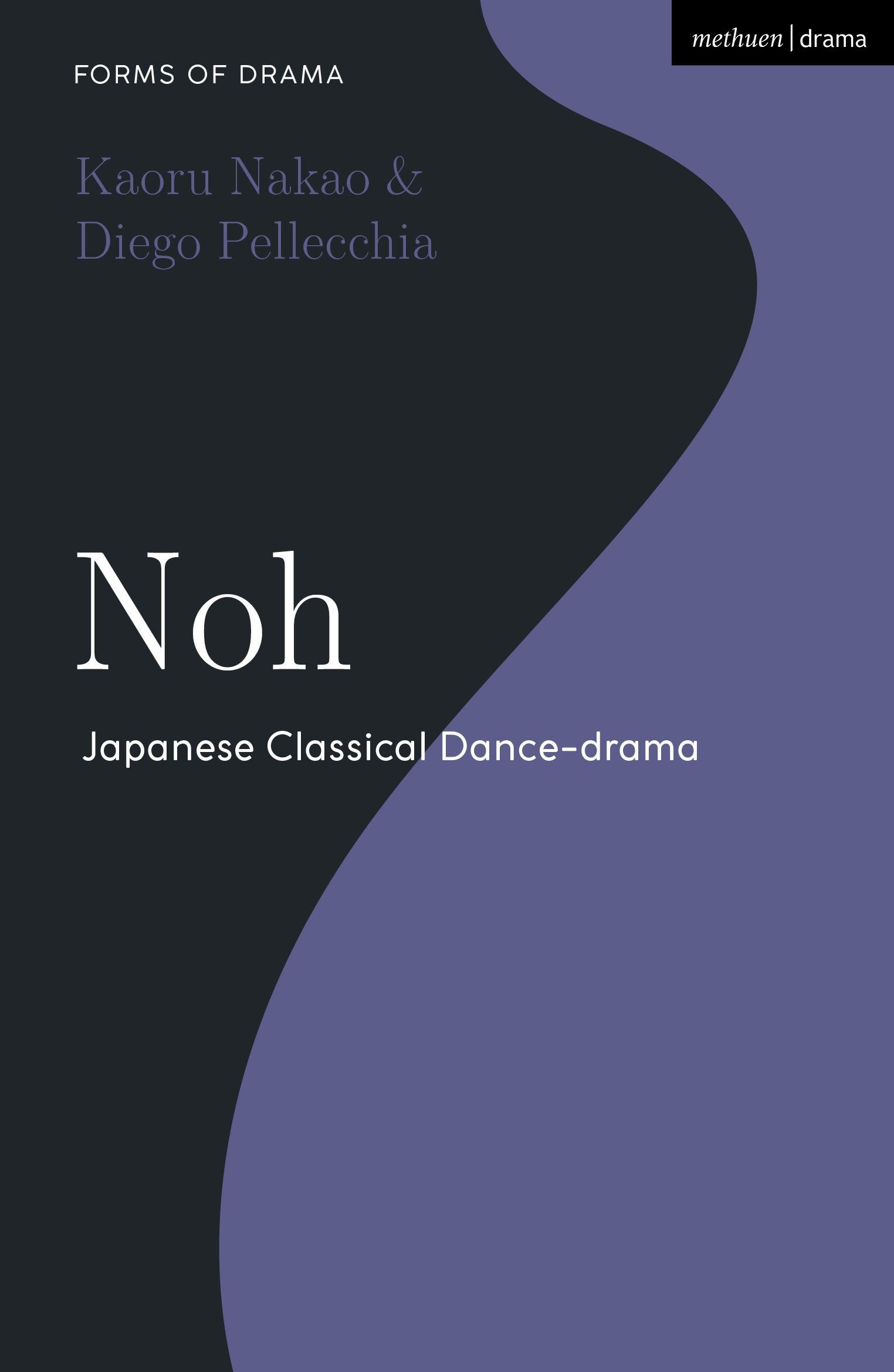
This volume provides the reader with a comprehensive overview of the rich traditions of noh, classical Japanese dance-drama.
Drawing from specialized scholarship in English and in Japanese, it takes an accessible approach useful for a range of readers, including students and researchers of Japanese culture and performing arts, as well as theatre practitioners.
The introduction provides an overview, describing noh from the point of view of both the audience and the practitioner. Chapter One traces the history of noh from its origins through stages of development and formalization to the present day. Chapter Two explores the different plays in the repertoire, discussing their structures, themes, and sources. Chapter Three delves into the staging conventions of noh, introducing aspects of movement, music, and chant, as well as costumes, masks, and stage properties. To conclude, this book raises questions about the current situation of noh and explores its potential future.
Since its emergence in the 14th century, noh has been appreciated by audiences ranging from the intellectual elites to the warrior class, from the Buddhist clergy to commoners. Throughout its history, noh has influenced other traditional performing arts and, since the early 20th century, it has also been a source of inspiration for theatre practitioners outside of Japan.
Drawing from specialized scholarship in English and in Japanese, it takes an accessible approach useful for a range of readers, including students and researchers of Japanese culture and performing arts, as well as theatre practitioners.
The introduction provides an overview, describing noh from the point of view of both the audience and the practitioner. Chapter One traces the history of noh from its origins through stages of development and formalization to the present day. Chapter Two explores the different plays in the repertoire, discussing their structures, themes, and sources. Chapter Three delves into the staging conventions of noh, introducing aspects of movement, music, and chant, as well as costumes, masks, and stage properties. To conclude, this book raises questions about the current situation of noh and explores its potential future.
Since its emergence in the 14th century, noh has been appreciated by audiences ranging from the intellectual elites to the warrior class, from the Buddhist clergy to commoners. Throughout its history, noh has influenced other traditional performing arts and, since the early 20th century, it has also been a source of inspiration for theatre practitioners outside of Japan.
Seiten: 208
Kategorie: Drama, Teater & Scenkonst
e-ISBN: 9781350371453
Versandgewicht: 1.2 kg
Versand in: 1-2 Tage
Zahle einfach mit Karte, Klarna, Apple Pay oder Google Pay. Nicht zufrieden? Du hast immer ein 14-tägiges Widerrufsrecht. Lies mehr in unseren AGB. Hast du Fragen, schreib uns eine E-Mail an hello@memmo.org.
Memmo macht das Lernen einfacher – wo auch immer du bist. Bei uns findest du deine Kursbücher und smarte Lerntools an einem Ort: Zusammenfassungen, Quizzes, Podcasts und Lernkarten. Und Ted, dein Lernbuddy, beantwortet alles, was du wissen möchtest. Über 50.000 Studierende lernen bereits hier – gemacht, damit du schneller lernst und weniger Stress hast.