
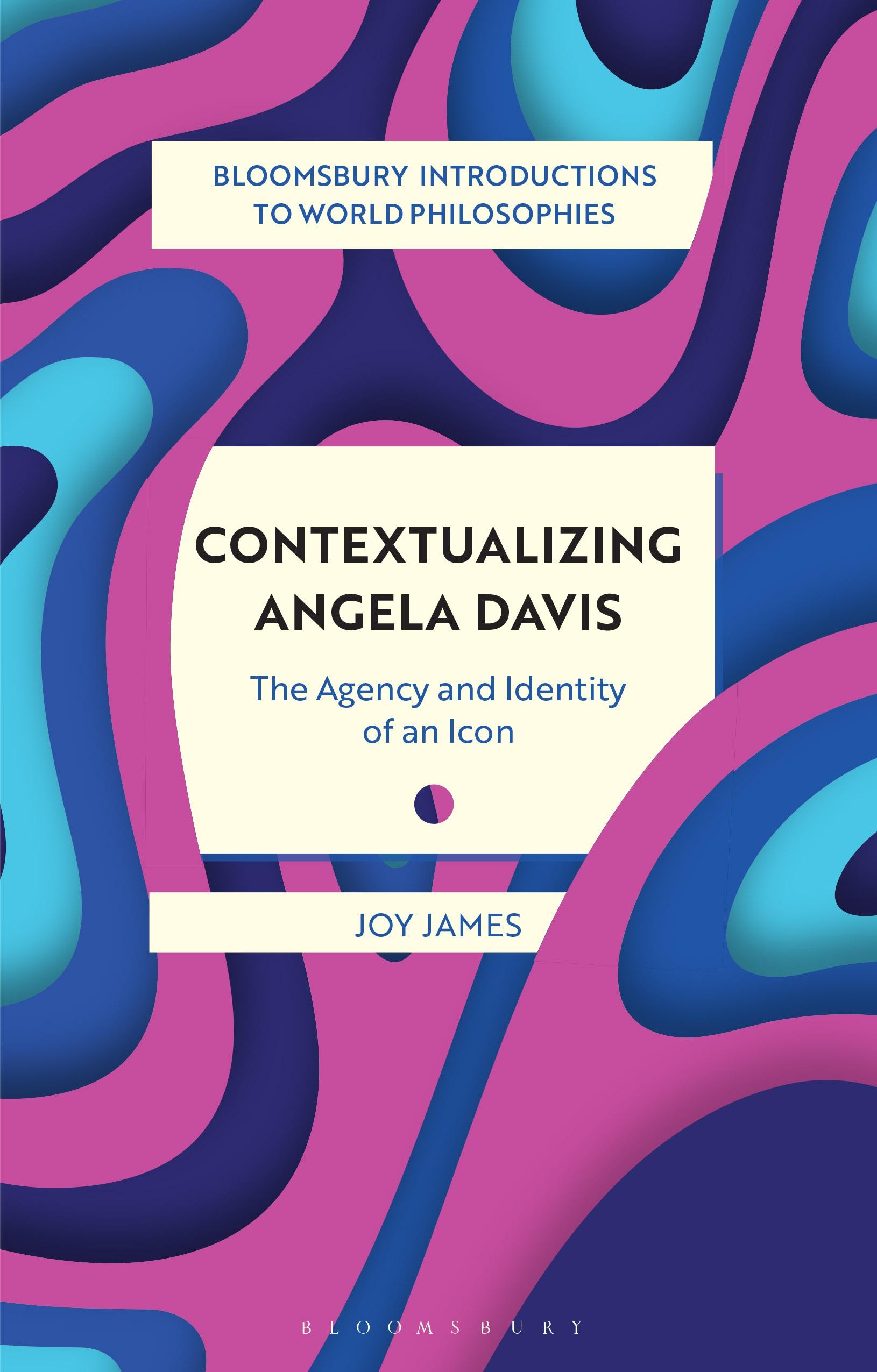
Angela Davis is iconic as an international figure but few recognize the educational, political and ideological contexts that formed the public persona. Excavating layers of networks, activists, academics, polemicists, and funders across the ideological spectrum, Joy James studies the paradigms and platforms that leveraged Angela Davis into recognition as an activist and radical intellectual.
Beginning in Alabama in 1944 with Davis's birthplace and ending in California in 1970 with a surrogate political family, James investigates context in order to better understand the agency and identity of Davis. Her chronology marks key events relevant to Davis, Black communities, and the US: AntiBlack repression under Jim Crow, Black bourgeois southern families, revolutionaries, elite education, communist parties, international travels, undergrad and graduate schooling-all interconnect and play a part in Davis's rise in stature from persecution as a UC graduate student to the UC Presidential chair some three decades later.
Set against the backdrop of 21st-century US democracy and the rise of neofascists, James highlights of the centrality of those considered ancillary to US liberation movements. She unpacks the contradictions of iconography and revolutionary agency and shows how a triumphal figure from a symbolic era of struggle became the icon of the rare peoples' victory.
Beginning in Alabama in 1944 with Davis's birthplace and ending in California in 1970 with a surrogate political family, James investigates context in order to better understand the agency and identity of Davis. Her chronology marks key events relevant to Davis, Black communities, and the US: AntiBlack repression under Jim Crow, Black bourgeois southern families, revolutionaries, elite education, communist parties, international travels, undergrad and graduate schooling-all interconnect and play a part in Davis's rise in stature from persecution as a UC graduate student to the UC Presidential chair some three decades later.
Set against the backdrop of 21st-century US democracy and the rise of neofascists, James highlights of the centrality of those considered ancillary to US liberation movements. She unpacks the contradictions of iconography and revolutionary agency and shows how a triumphal figure from a symbolic era of struggle became the icon of the rare peoples' victory.
Zahle einfach mit Karte, Klarna, Apple Pay oder Google Pay. Nicht zufrieden? Du hast immer ein 14-tägiges Widerrufsrecht. Lies mehr in unseren AGB. Hast du Fragen, schreib uns eine E-Mail an hello@memmo.org.
Memmo macht das Lernen einfacher – wo auch immer du bist. Bei uns findest du deine Kursbücher und smarte Lerntools an einem Ort: Zusammenfassungen, Quizzes, Podcasts und Lernkarten. Und Ted, dein Lernbuddy, beantwortet alles, was du wissen möchtest. Über 50.000 Studierende lernen bereits hier – gemacht, damit du schneller lernst und weniger Stress hast.