
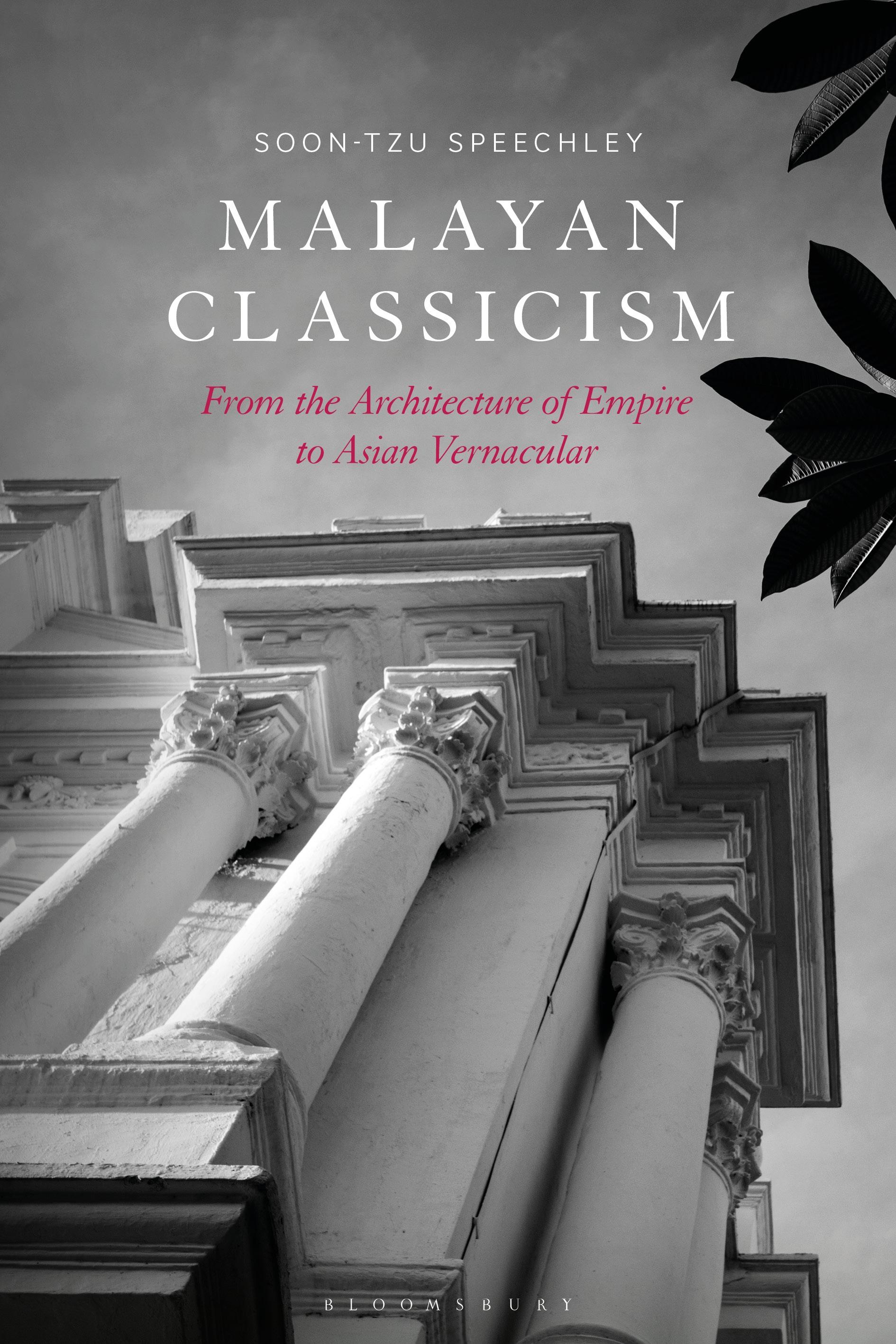
Through a broad range of case studies spanning from imperial monuments to rural residences, Malayan Classicism puts forward a fundamentally new understanding of classical architecture in the Asian colonial context.
Across Malaysia and Singapore, thousands of historic buildings are richly ornamented with motifs drawn from Ancient Greece and Rome - as plump volutes, lush acanthus leaves, and neat rows of dentils decorate mosques, palaces, government buildings and innumerable terraced shophouses. These classical details jostle with ideas drawn from other architectural traditions from across Asia in a style that is unique to the region.
Presenting the first comprehensive account of what was, prior to World War II, Malaya's most widespread architectural style, Malayan Classicism explores how the classical architecture of the British Empire was transmitted, translated, and transformed in the hands of local builders and architects. Addressing a critical gap in the scholarship, this book charts the metamorphosis of an imperial language of power into a local vernacular style, and provides a new way of reading classical architecture in a post-colonial context that will be applicable throughout the Global South.
Across Malaysia and Singapore, thousands of historic buildings are richly ornamented with motifs drawn from Ancient Greece and Rome - as plump volutes, lush acanthus leaves, and neat rows of dentils decorate mosques, palaces, government buildings and innumerable terraced shophouses. These classical details jostle with ideas drawn from other architectural traditions from across Asia in a style that is unique to the region.
Presenting the first comprehensive account of what was, prior to World War II, Malaya's most widespread architectural style, Malayan Classicism explores how the classical architecture of the British Empire was transmitted, translated, and transformed in the hands of local builders and architects. Addressing a critical gap in the scholarship, this book charts the metamorphosis of an imperial language of power into a local vernacular style, and provides a new way of reading classical architecture in a post-colonial context that will be applicable throughout the Global South.
Seiten: 256
Kategorie: Arkitektur & Stadsplanering
e-ISBN: 9781350360365
Versandgewicht: 1.2 kg
Versand in: 1-2 Tage
Zahle einfach mit Karte, Klarna, Apple Pay oder Google Pay. Nicht zufrieden? Du hast immer ein 14-tägiges Widerrufsrecht. Lies mehr in unseren AGB. Hast du Fragen, schreib uns eine E-Mail an hello@memmo.org.
Memmo macht das Lernen einfacher – wo auch immer du bist. Bei uns findest du deine Kursbücher und smarte Lerntools an einem Ort: Zusammenfassungen, Quizzes, Podcasts und Lernkarten. Und Ted, dein Lernbuddy, beantwortet alles, was du wissen möchtest. Über 50.000 Studierende lernen bereits hier – gemacht, damit du schneller lernst und weniger Stress hast.