
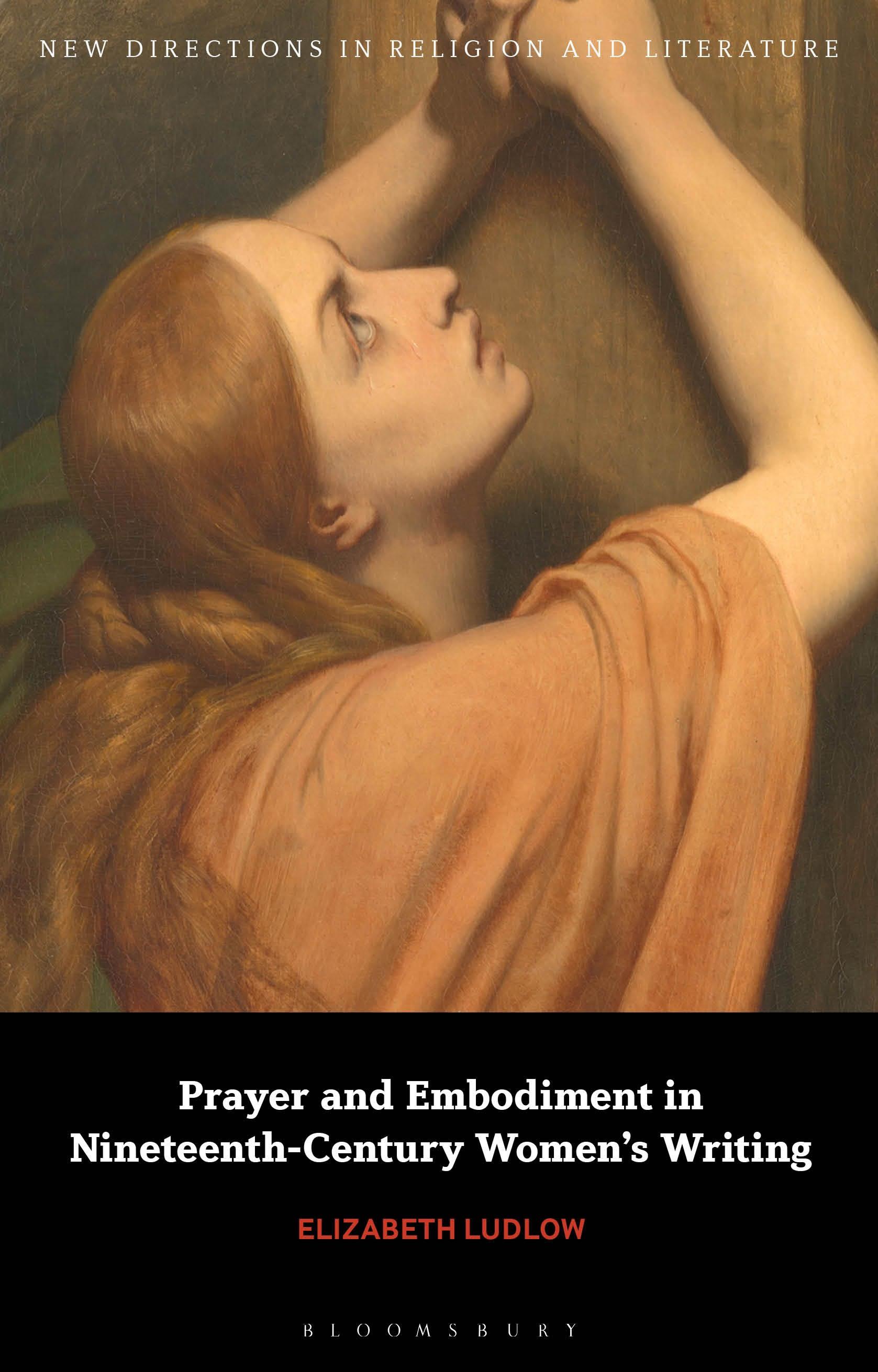
In the 19th century, an era that saw a reconfiguration of the relationship between the self, the world and the divine, women writers probed the theological depths of embodied faith in new ways through poetry, fiction, devotional prose and life writing.
Elizabeth Ludlow explores how, through this process, they articulated what it means to pray, and thereby understand one's place in a world of individual and communal bodies. The eight women writers discussed – Elizabeth Barrett Browning, Josephine Butler, George Eliot, Elizabeth Gaskell, Dora Greenwell, Felicia Hemans, Adelaide Procter and Christina Rossetti – provide accounts of prayer that stress that the only way to experience and respond to something of the transcendent is through embracing lived experience and through a recognition of the connectedness of all bodies.
In detailing how these writers engage with new ways of thinking about faith, desire and the material world, Ludlow argues that they offer models for ethical modes of being in the world and pave the way for later theologies of embodiment.
Elizabeth Ludlow explores how, through this process, they articulated what it means to pray, and thereby understand one's place in a world of individual and communal bodies. The eight women writers discussed – Elizabeth Barrett Browning, Josephine Butler, George Eliot, Elizabeth Gaskell, Dora Greenwell, Felicia Hemans, Adelaide Procter and Christina Rossetti – provide accounts of prayer that stress that the only way to experience and respond to something of the transcendent is through embracing lived experience and through a recognition of the connectedness of all bodies.
In detailing how these writers engage with new ways of thinking about faith, desire and the material world, Ludlow argues that they offer models for ethical modes of being in the world and pave the way for later theologies of embodiment.
Zahle einfach mit Karte, Klarna, Apple Pay oder Google Pay. Nicht zufrieden? Du hast immer ein 14-tägiges Widerrufsrecht. Lies mehr in unseren AGB. Hast du Fragen, schreib uns eine E-Mail an hello@memmo.org.
Memmo macht das Lernen einfacher – wo auch immer du bist. Bei uns findest du deine Kursbücher und smarte Lerntools an einem Ort: Zusammenfassungen, Quizzes, Podcasts und Lernkarten. Und Ted, dein Lernbuddy, beantwortet alles, was du wissen möchtest. Über 50.000 Studierende lernen bereits hier – gemacht, damit du schneller lernst und weniger Stress hast.