
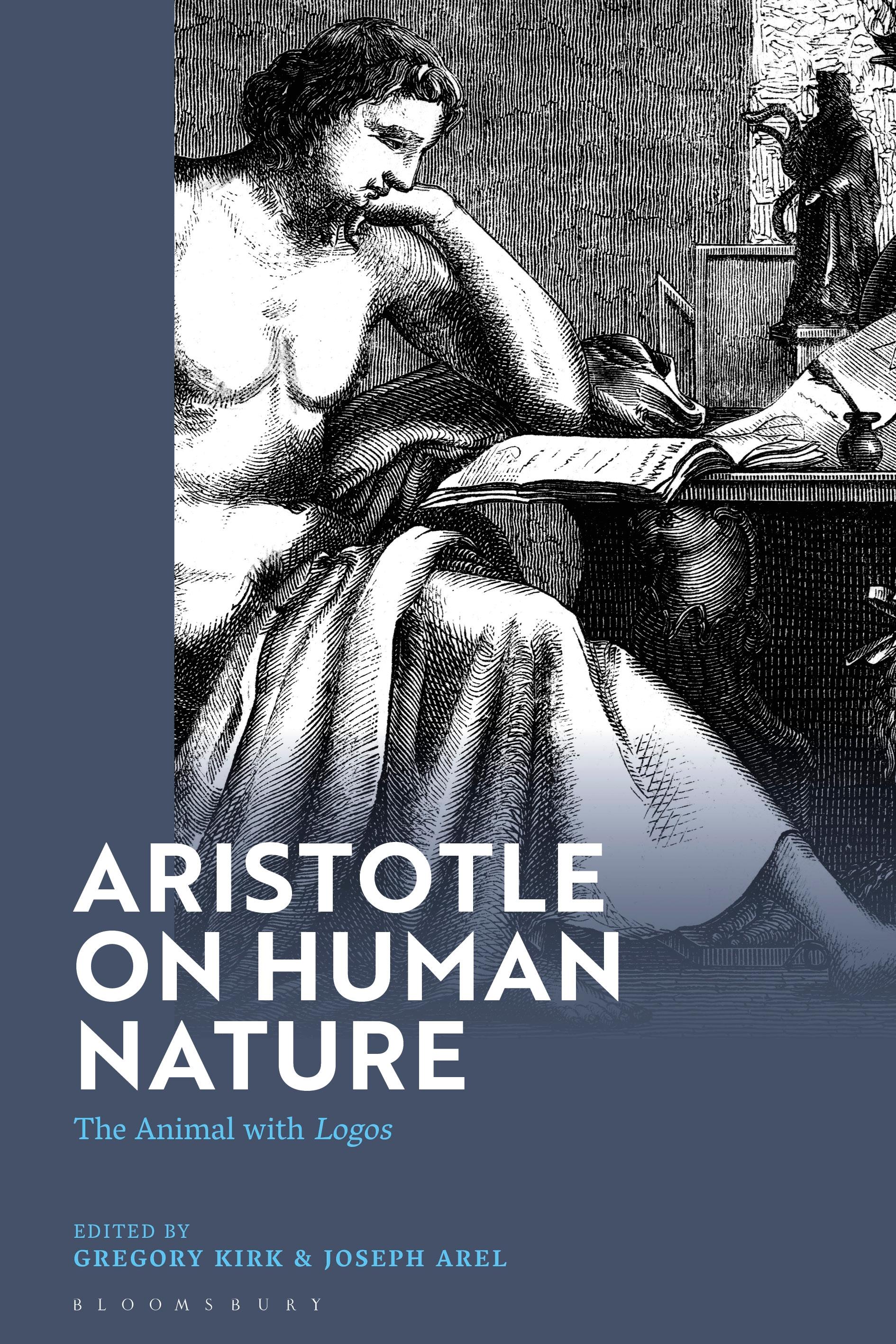
Exploring Aristotle's concept of logos, this volume advances our understanding of it as a singular feature of human nature by arguing that it is the organizing principle of human life itself.
Tracing its multiple meanings in different contexts, including reason, logic, speech, ratio, account, and form, contributors highlight the ways in which we can see logos in human thinking, in the organizing principles of our bodies, in our perception of the world, in our social and political life, and through our productive and fine arts. Through this focus, logos reveals itself not as one feature amongst others, but instead as the feature that organizes all others, from the most “animal” to the most “spiritual.” By presenting logos in this way, readers gain a complex account of the philosophy of human nature.
Tracing its multiple meanings in different contexts, including reason, logic, speech, ratio, account, and form, contributors highlight the ways in which we can see logos in human thinking, in the organizing principles of our bodies, in our perception of the world, in our social and political life, and through our productive and fine arts. Through this focus, logos reveals itself not as one feature amongst others, but instead as the feature that organizes all others, from the most “animal” to the most “spiritual.” By presenting logos in this way, readers gain a complex account of the philosophy of human nature.
Zahle einfach mit Karte, Klarna, Apple Pay oder Google Pay. Nicht zufrieden? Du hast immer ein 14-tägiges Widerrufsrecht. Lies mehr in unseren AGB. Hast du Fragen, schreib uns eine E-Mail an hello@memmo.org.
Memmo macht das Lernen einfacher – wo auch immer du bist. Bei uns findest du deine Kursbücher und smarte Lerntools an einem Ort: Zusammenfassungen, Quizzes, Podcasts und Lernkarten. Und Ted, dein Lernbuddy, beantwortet alles, was du wissen möchtest. Über 50.000 Studierende lernen bereits hier – gemacht, damit du schneller lernst und weniger Stress hast.