
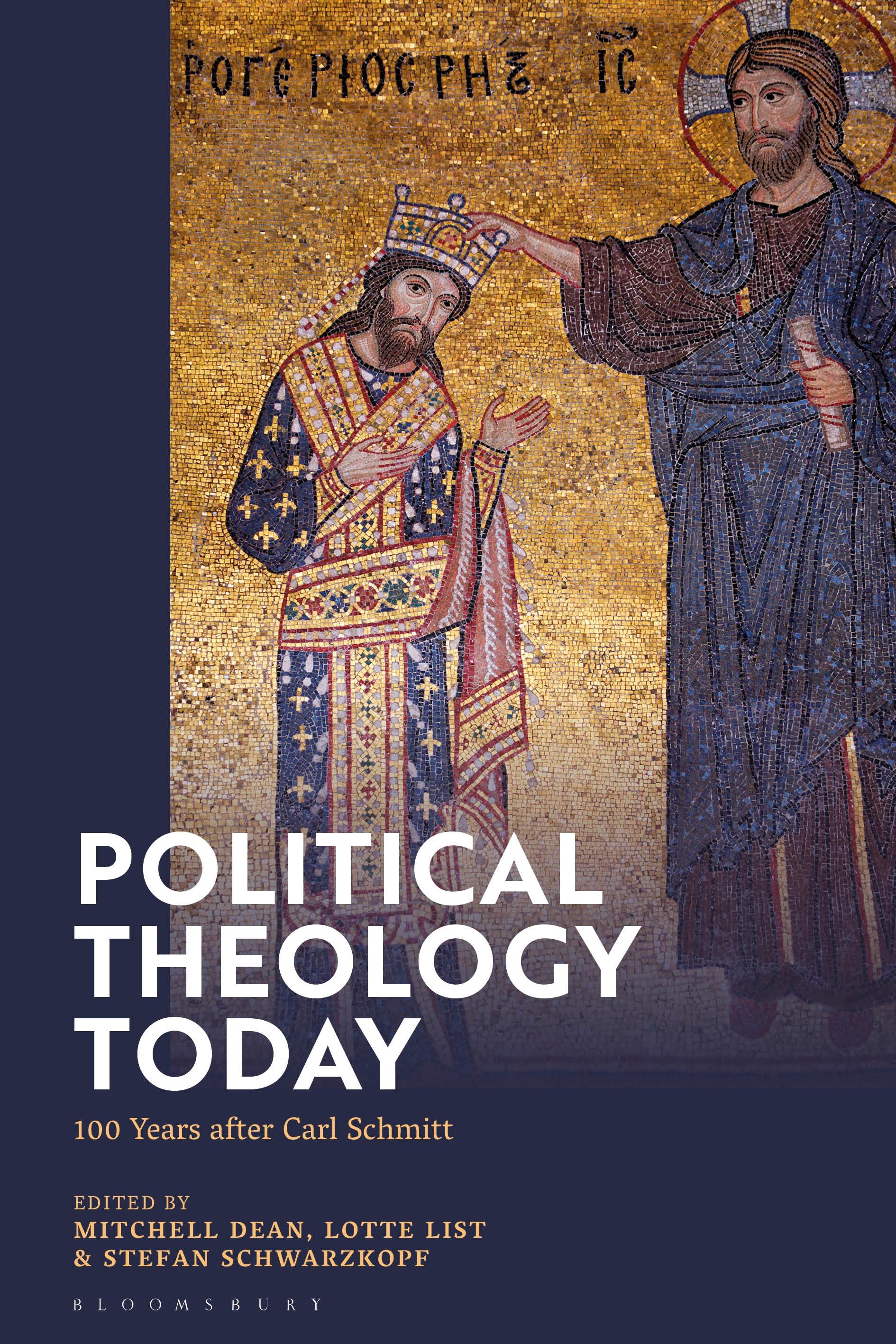
Almost 100 years have passed since Carl Schmitt gave his controversial definition of the sovereign as the one who decides on the exception in his by now classic Political Theology (1922). Written at a time of crisis, the book sought to establish the institution of sovereignty, not from within a well-functioning governing machine of the state in a situation of normality, but rather as the minimal condition of state order in the moment of governmental breakdown. The book appeared anachronistic already at its publication. Schmitt went against Max Weber's popular thesis defining secularization as a disenchantment of the world characterizing modern societies, and instead suggested that the concepts of modern politics mirrored a metaphysics originating in Christianity and the church. Nevertheless, the concept of political theology has in recent years seen a revival as a field of research in philosophy as well as political theory, as studies in the theological sub-currents of politics, economics and sociality proliferate.
Zahle einfach mit Karte, Klarna, Apple Pay oder Google Pay. Nicht zufrieden? Du hast immer ein 14-tägiges Widerrufsrecht. Lies mehr in unseren AGB. Hast du Fragen, schreib uns eine E-Mail an hello@memmo.org.
Memmo macht das Lernen einfacher – wo auch immer du bist. Bei uns findest du deine Kursbücher und smarte Lerntools an einem Ort: Zusammenfassungen, Quizzes, Podcasts und Lernkarten. Und Ted, dein Lernbuddy, beantwortet alles, was du wissen möchtest. Über 50.000 Studierende lernen bereits hier – gemacht, damit du schneller lernst und weniger Stress hast.