
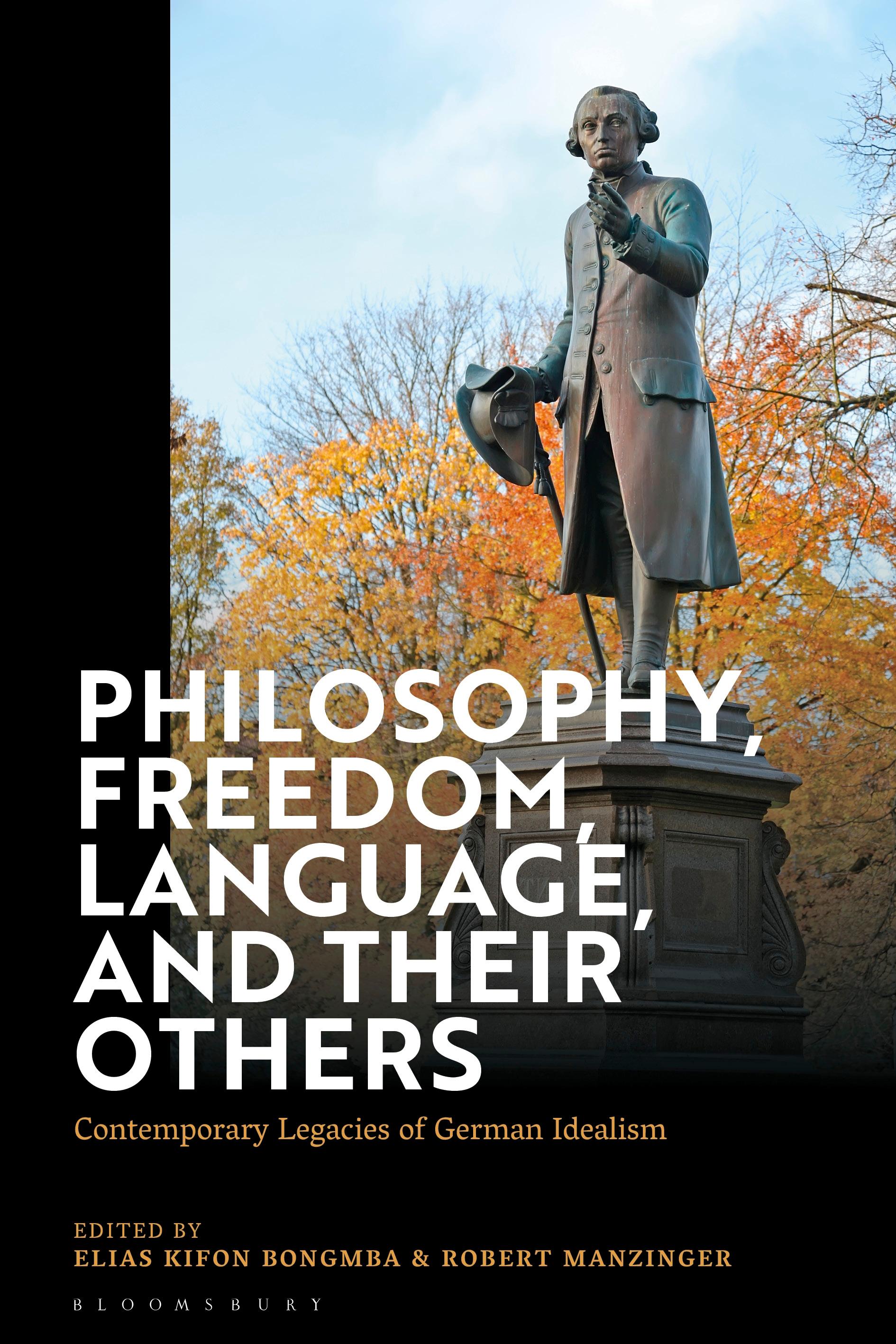
Kantian and Hegelian conceptions of freedom guide this collection of essays that engage with the linguistic turn in continental philosophy to explore contemporary interpretations of freedom. Using a broad approach to the tradition of German Idealism, this volume considers its modern recasting of philosophy as a rigorous thinking practice with profound implications for individual and communal praxis and wellbeing.
Philosophy, Freedom, Language, and its Others further cultivates and demonstrates the freedom to think and engage philosophy in a critical dialogue with other fields of inquiry. This method is exemplified in the philosophy and teaching of Professor Jere P. Surber, whom this book honors by using his interdisciplinary method as a springboard for new understandings of freedom in contemporary life.
Expert scholars working in the philosophy of language, continental philosophy of religion, ancient philosophy, critical theory, and ethics engage seminal thinkers on freedom including Plato, Kant, Hegel, Kierkegaard, and Debord to provide a diverse range of perspectives on freedom. In so doing, they address the complex legacy of philosophical freedom across subjects from contemporary media and political patrimonial culture to literary imagination and the politics of Nelson Mandela.
Philosophy, Freedom, Language, and its Others further cultivates and demonstrates the freedom to think and engage philosophy in a critical dialogue with other fields of inquiry. This method is exemplified in the philosophy and teaching of Professor Jere P. Surber, whom this book honors by using his interdisciplinary method as a springboard for new understandings of freedom in contemporary life.
Expert scholars working in the philosophy of language, continental philosophy of religion, ancient philosophy, critical theory, and ethics engage seminal thinkers on freedom including Plato, Kant, Hegel, Kierkegaard, and Debord to provide a diverse range of perspectives on freedom. In so doing, they address the complex legacy of philosophical freedom across subjects from contemporary media and political patrimonial culture to literary imagination and the politics of Nelson Mandela.
Zahle einfach mit Karte, Klarna, Apple Pay oder Google Pay. Nicht zufrieden? Du hast immer ein 14-tägiges Widerrufsrecht. Lies mehr in unseren AGB. Hast du Fragen, schreib uns eine E-Mail an hello@memmo.org.
Memmo macht das Lernen einfacher – wo auch immer du bist. Bei uns findest du deine Kursbücher und smarte Lerntools an einem Ort: Zusammenfassungen, Quizzes, Podcasts und Lernkarten. Und Ted, dein Lernbuddy, beantwortet alles, was du wissen möchtest. Über 50.000 Studierende lernen bereits hier – gemacht, damit du schneller lernst und weniger Stress hast.