
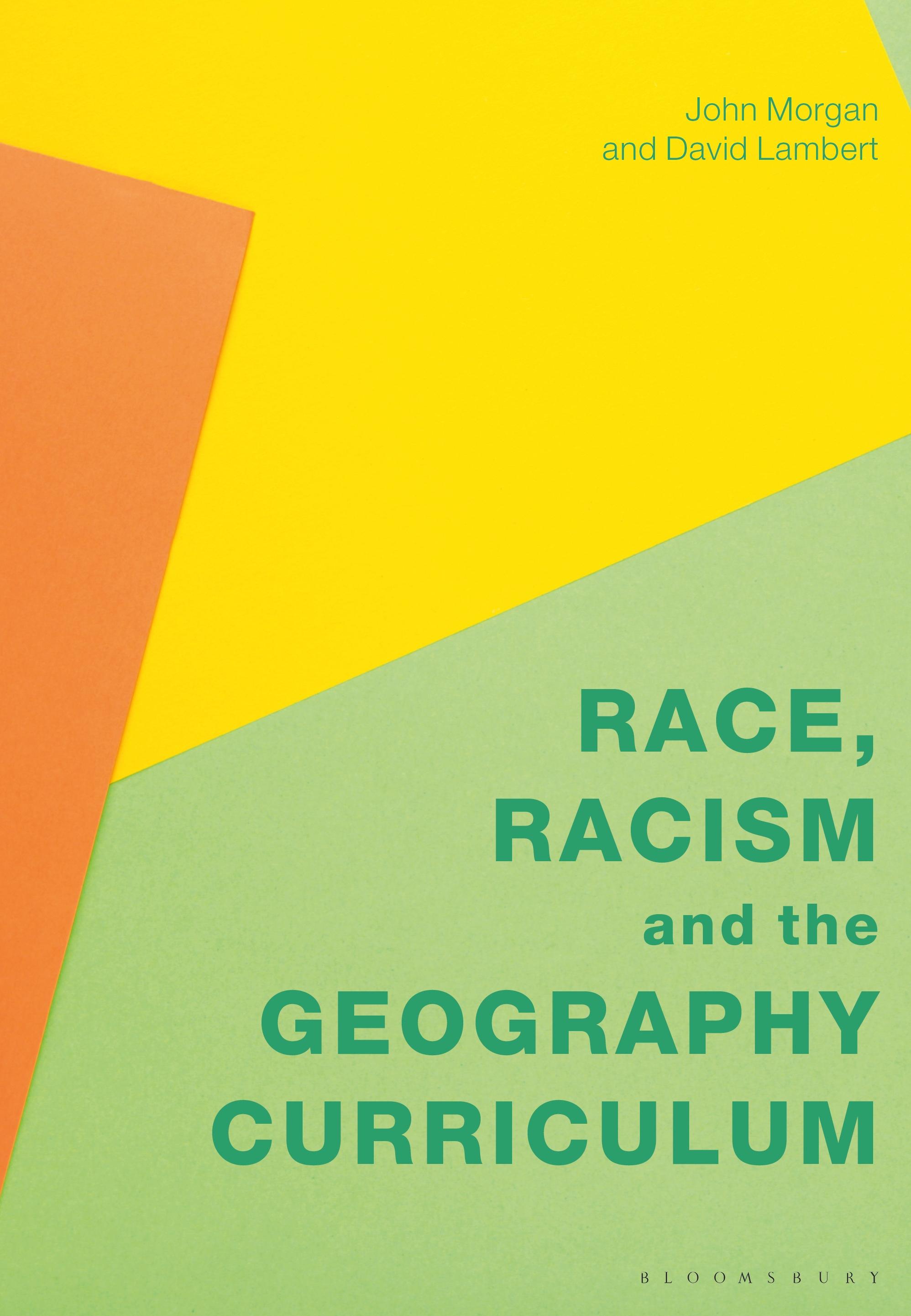
Changes in the nature of knowledge production, plus rapid social and cultural change, have meant that the 'curriculum question' – what is to be taught, and by extension, 'whose knowledge' – has been hotly contested. The question of what to teach has become more and more controversial. This book asks: what is an appropriate curriculum response to the acute, renewed interest in issues of race and racism? How does a school subject like geography respond?
The struggle over the school curriculum has frequently been portrayed as being between educational 'traditionalists' and 'progressives'. This book suggests a way out of this impasse. Drawing upon and extending insights from 'social realism', it explores what a Future 3 geography curriculum might look like - one that recognizes the importance of the academic discipline as a source of curriculum-making but at the same time avoids geographical knowledge becoming set in stone. The book focuses very sharply on issues of race and racism, enabling teachers to engage in curriculum making in geography that is racially literate.
The Foreword is written by Julian Agyeman, a former geography teacher in the UK and now Professor of Urban and Environmental Policy and Planning at Tufts University, USA.
The struggle over the school curriculum has frequently been portrayed as being between educational 'traditionalists' and 'progressives'. This book suggests a way out of this impasse. Drawing upon and extending insights from 'social realism', it explores what a Future 3 geography curriculum might look like - one that recognizes the importance of the academic discipline as a source of curriculum-making but at the same time avoids geographical knowledge becoming set in stone. The book focuses very sharply on issues of race and racism, enabling teachers to engage in curriculum making in geography that is racially literate.
The Foreword is written by Julian Agyeman, a former geography teacher in the UK and now Professor of Urban and Environmental Policy and Planning at Tufts University, USA.
Zahle einfach mit Karte, Klarna, Apple Pay oder Google Pay. Nicht zufrieden? Du hast immer ein 14-tägiges Widerrufsrecht. Lies mehr in unseren AGB. Hast du Fragen, schreib uns eine E-Mail an hello@memmo.org.
Memmo macht das Lernen einfacher – wo auch immer du bist. Bei uns findest du deine Kursbücher und smarte Lerntools an einem Ort: Zusammenfassungen, Quizzes, Podcasts und Lernkarten. Und Ted, dein Lernbuddy, beantwortet alles, was du wissen möchtest. Über 50.000 Studierende lernen bereits hier – gemacht, damit du schneller lernst und weniger Stress hast.