
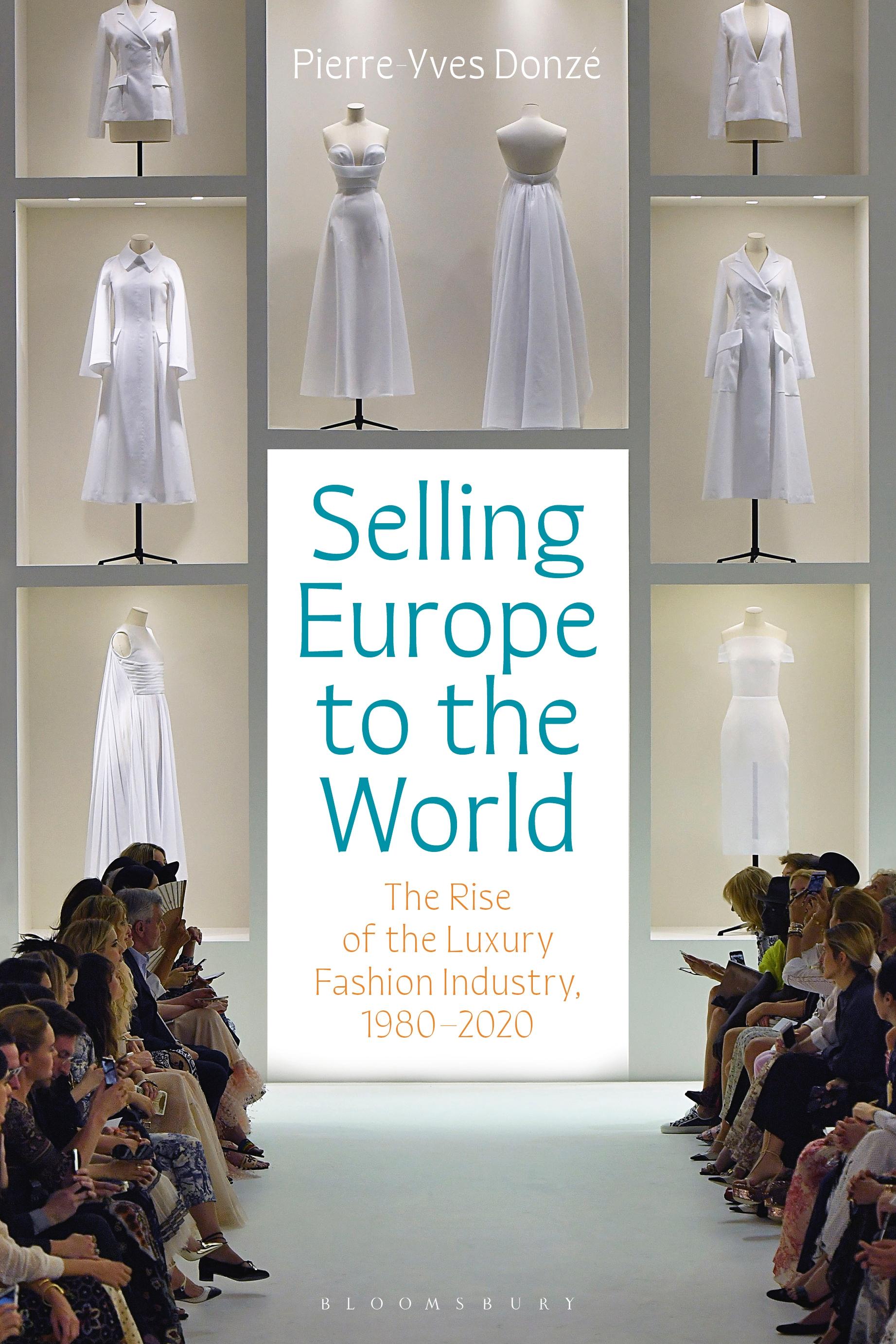
Chanel suits, Louis Vuitton bags and Omega watches are now objects that embody a globalized material culture. Over the past 30 years, the luxury goods industry has undergone a tremendous expansion around the world. However, it remains largely dominated by European companies, ranging from diversified conglomerates such as LVMH and Richemont to independent companies such as the Italian fashion houses Armani and Ermenegildo Zegna, and industrial groups like Swatch and L'Oréal or new start-ups such as Richard Mille. How and why did these companies succeed? How did they manage to transform a sector previously dominated by small family firms into a global big business?
Selling Europe to the World presents the development of the global luxury goods industry from the 1980s to the present day. It highlights the strategies implemented by a new generation of entrepreneurs and explains, beyond the glamorous image conveyed by luxury brands, the sources of success of these firms. An essential book for understanding the success of the contemporary luxury industry.
Selling Europe to the World presents the development of the global luxury goods industry from the 1980s to the present day. It highlights the strategies implemented by a new generation of entrepreneurs and explains, beyond the glamorous image conveyed by luxury brands, the sources of success of these firms. An essential book for understanding the success of the contemporary luxury industry.
Zahle einfach mit Karte, Klarna, Apple Pay oder Google Pay. Nicht zufrieden? Du hast immer ein 14-tägiges Widerrufsrecht. Lies mehr in unseren AGB. Hast du Fragen, schreib uns eine E-Mail an hello@memmo.org.
Memmo macht das Lernen einfacher – wo auch immer du bist. Bei uns findest du deine Kursbücher und smarte Lerntools an einem Ort: Zusammenfassungen, Quizzes, Podcasts und Lernkarten. Und Ted, dein Lernbuddy, beantwortet alles, was du wissen möchtest. Über 50.000 Studierende lernen bereits hier – gemacht, damit du schneller lernst und weniger Stress hast.