
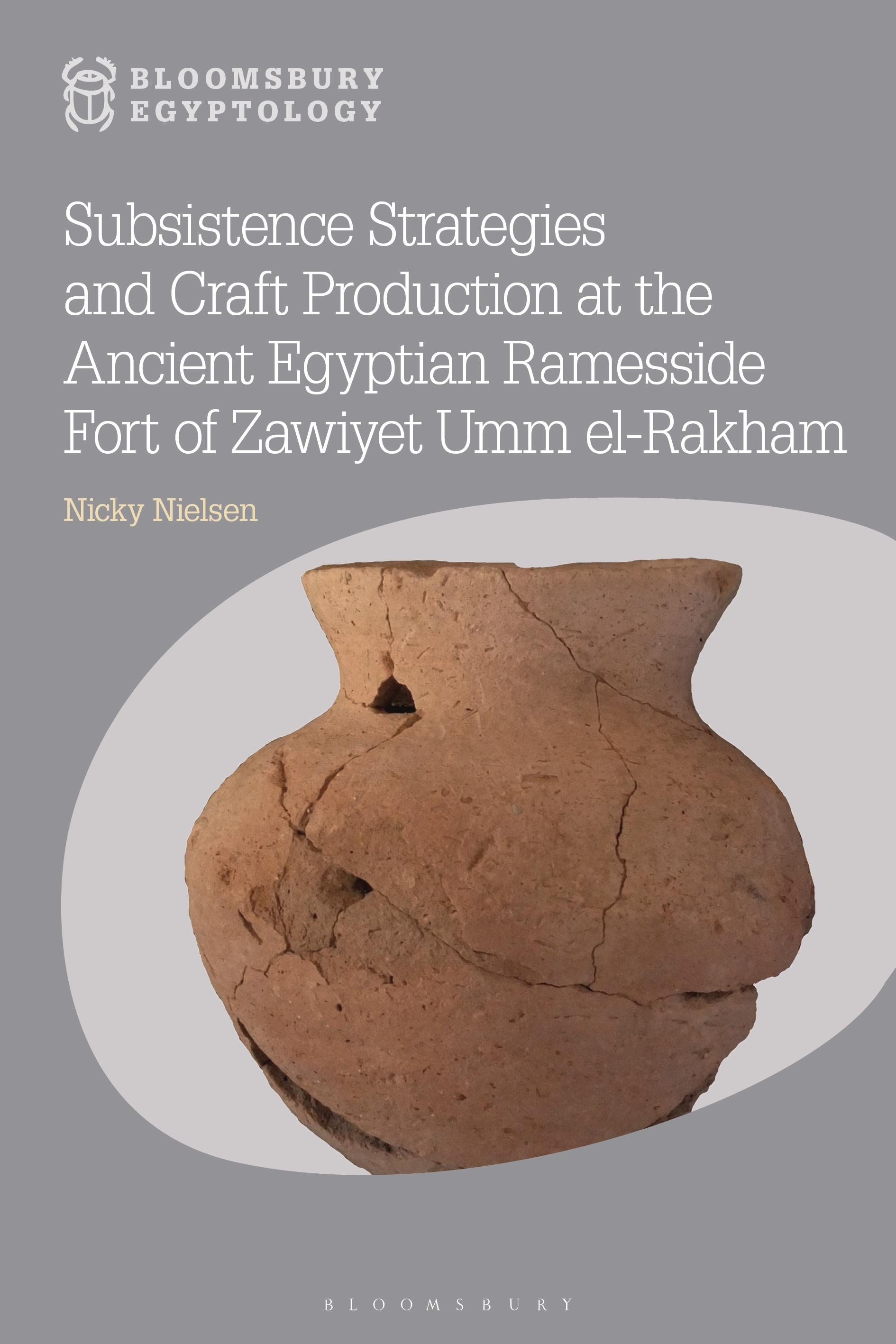
Drawing on more than 20 years of archaeological study and investigation at Zawiyet Umm el-Rakham by a team from the University of Liverpool (led by Professor Steven Snape), this book paints a nuanced picture of daily life not only at this liminal military site, but also in Ramesside Egypt more broadly. Constructed during the reign of Ramesses II, the fortified settlement was situated 300 kilometres west of Alexandria and represents the furthest western outpost of the Egyptian New Kingdom empire. Excavations in Area K of the fortress have uncovered extensive evidence for the living arrangements, minor industries, food production and daily life of the fort's inhabitants.
This previously unpublished material forms the bedrock of this volume, which focuses on analysing the various subsistence and craft production strategies that were conducted alongside each other in this area, from baking, brewing and butchery to lithics working, bone-carving and weaving. These traces of the activities of the soldiers and their families shed new light on what life was like at this military installation and for ordinary Egyptians more widely, shifting away from a focus on elite social groups. The archaeological evidence covered in this book prompts a re-evaluation of the realities of the relationship between Egyptians and Libyans at the close of the Late Bronze Age. The purpose of the fortress' construction was primarily defensive, however the surviving material points to co-operation by means of collaborative farming and trading, and provides a direct counterpoint to the more belligerent contemporary royal monumental inscriptions describing Egypto-Libyan relations.
This previously unpublished material forms the bedrock of this volume, which focuses on analysing the various subsistence and craft production strategies that were conducted alongside each other in this area, from baking, brewing and butchery to lithics working, bone-carving and weaving. These traces of the activities of the soldiers and their families shed new light on what life was like at this military installation and for ordinary Egyptians more widely, shifting away from a focus on elite social groups. The archaeological evidence covered in this book prompts a re-evaluation of the realities of the relationship between Egyptians and Libyans at the close of the Late Bronze Age. The purpose of the fortress' construction was primarily defensive, however the surviving material points to co-operation by means of collaborative farming and trading, and provides a direct counterpoint to the more belligerent contemporary royal monumental inscriptions describing Egypto-Libyan relations.
Seiten: 232
Kategorie: Arkeologi & Antikvetenskap
e-ISBN: 9781350327399
Versandgewicht: 1.2 kg
Versand in: 1-2 Tage
Zahle einfach mit Karte, Klarna, Apple Pay oder Google Pay. Nicht zufrieden? Du hast immer ein 14-tägiges Widerrufsrecht. Lies mehr in unseren AGB. Hast du Fragen, schreib uns eine E-Mail an hello@memmo.org.
Memmo macht das Lernen einfacher – wo auch immer du bist. Bei uns findest du deine Kursbücher und smarte Lerntools an einem Ort: Zusammenfassungen, Quizzes, Podcasts und Lernkarten. Und Ted, dein Lernbuddy, beantwortet alles, was du wissen möchtest. Über 50.000 Studierende lernen bereits hier – gemacht, damit du schneller lernst und weniger Stress hast.