
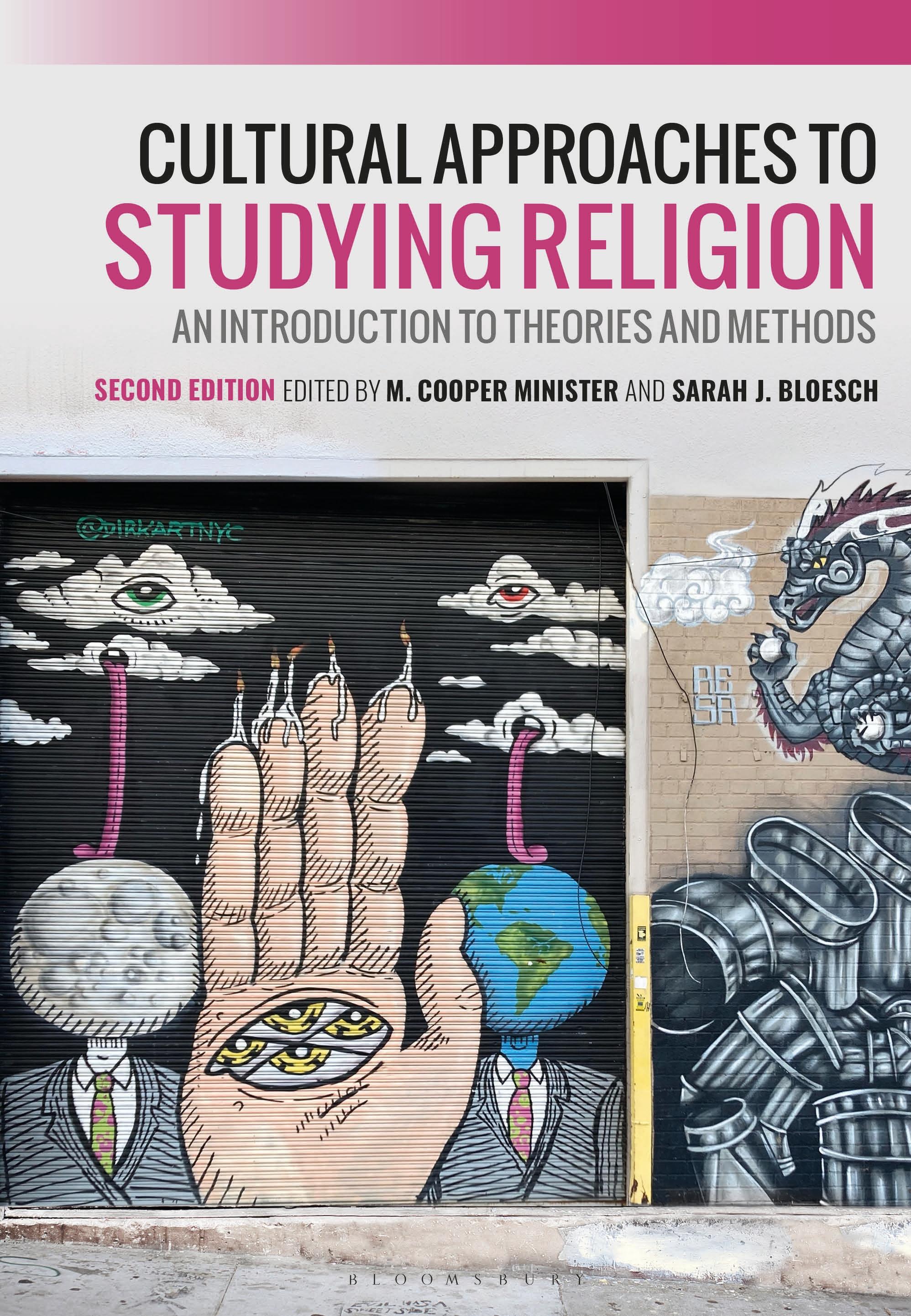
Examining the analytic tools of scholars in religious studies, as well as in related disciplines that have shaped the field, this updated textbook includes cultural approaches from anthropology, history, literature, and critical studies in race, sexuality, and gender.
Each chapter is written by a leading scholar and includes:
the biographical and historical context of each theorist
their approaches and key writings
analysis and evaluation of each theory
a list of key terms
suggested further reading
Part One: Comparative Approaches considers how major features such as taboo, texts, myths, and ritual work across religious traditions. This section explores the work of Mary Douglas, Phyllis Trible, Wendy Doniger, Catherine Bell and, new to this edition, Tomoko Masuzawa, whose contributions reveal the colonialist assumptions of the comparative, world religions model.
Part Two: Examining Particularities analyzes the comparative approach through the work of Alice Walker, Charles Long, and Caroline Walker Bynum, who all suggest that the specifics of race, body, place and time must be considered.
Part Three: Expanding Boundaries examines Gloria Anzaldúa's language of religion, as well as the work of
Judith Butler on performative, queer theories of religion, Saba Mahmood, whose work considers postcolonial religious encounters, secularism, and the relationship between “East” and “West”. New to this edition is Jasbir Puar's work on work on affect, gender, sexuality, and disability.
Along with a list of key terms, each section now includes an introduction highlighting the contributions of each thinker and their relation to previous theories that dominated the field.
Each chapter is written by a leading scholar and includes:
the biographical and historical context of each theorist
their approaches and key writings
analysis and evaluation of each theory
a list of key terms
suggested further reading
Part One: Comparative Approaches considers how major features such as taboo, texts, myths, and ritual work across religious traditions. This section explores the work of Mary Douglas, Phyllis Trible, Wendy Doniger, Catherine Bell and, new to this edition, Tomoko Masuzawa, whose contributions reveal the colonialist assumptions of the comparative, world religions model.
Part Two: Examining Particularities analyzes the comparative approach through the work of Alice Walker, Charles Long, and Caroline Walker Bynum, who all suggest that the specifics of race, body, place and time must be considered.
Part Three: Expanding Boundaries examines Gloria Anzaldúa's language of religion, as well as the work of
Judith Butler on performative, queer theories of religion, Saba Mahmood, whose work considers postcolonial religious encounters, secularism, and the relationship between “East” and “West”. New to this edition is Jasbir Puar's work on work on affect, gender, sexuality, and disability.
Along with a list of key terms, each section now includes an introduction highlighting the contributions of each thinker and their relation to previous theories that dominated the field.
Seiten: 264
Kategorie: Religion & Teologi
e-ISBN: 9781350303126
Versandgewicht: 1.2 kg
Versand in: 1-2 Tage
Zahle einfach mit Karte, Klarna, Apple Pay oder Google Pay. Nicht zufrieden? Du hast immer ein 14-tägiges Widerrufsrecht. Lies mehr in unseren AGB. Hast du Fragen, schreib uns eine E-Mail an hello@memmo.org.
Memmo macht das Lernen einfacher – wo auch immer du bist. Bei uns findest du deine Kursbücher und smarte Lerntools an einem Ort: Zusammenfassungen, Quizzes, Podcasts und Lernkarten. Und Ted, dein Lernbuddy, beantwortet alles, was du wissen möchtest. Über 50.000 Studierende lernen bereits hier – gemacht, damit du schneller lernst und weniger Stress hast.