
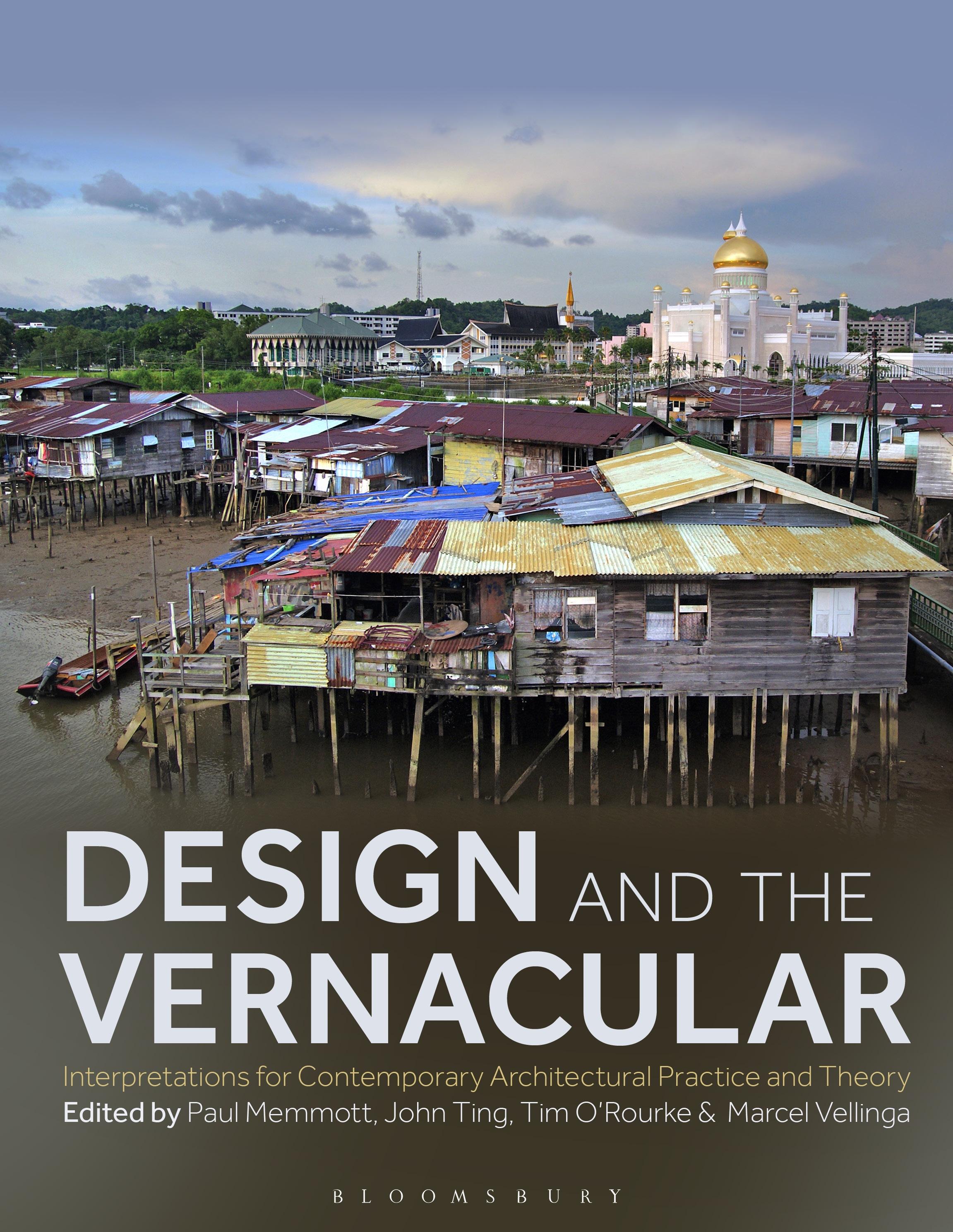
Design and the Vernacular explores the intersection between vernacular architecture, local cultures, and modernity and globalization, focussing on the vast and diverse global region of Australasia and Oceania. The relevance and role of vernacular architecture in contemporary urban planning and architectural design are examined in the context of rapid political, economic, technological, social and environmental changes, including globalization, exchanges of people, finance, material culture, and digital technologies.
Sixteen chapters by architects designers and theorists, including Indigenous writers, explore key questions about the agency of vernacular architecture in shaping contemporary building and design practice. These questions include: How have Indigenous building traditions shaped modern building practices? What can the study of vernacular architecture contribute to debates about sustainable development? And how has vernacular architecture been used to argue for postcolonial modernisation and nation-building and what has been the effect on heritage and conservation?
Such questions provide valuable case studies and lessons for architecture in other global regions -- and challenge assumptions about vernacular architecture being anachronistic and static, instead demonstrating how it can shape contemporary architecture, nation building and cultural identities.
Sixteen chapters by architects designers and theorists, including Indigenous writers, explore key questions about the agency of vernacular architecture in shaping contemporary building and design practice. These questions include: How have Indigenous building traditions shaped modern building practices? What can the study of vernacular architecture contribute to debates about sustainable development? And how has vernacular architecture been used to argue for postcolonial modernisation and nation-building and what has been the effect on heritage and conservation?
Such questions provide valuable case studies and lessons for architecture in other global regions -- and challenge assumptions about vernacular architecture being anachronistic and static, instead demonstrating how it can shape contemporary architecture, nation building and cultural identities.
Seiten: 320
Kategorie: Arkitektur & Stadsplanering
e-ISBN: 9781350294332
Versandgewicht: 1.2 kg
Versand in: 1-2 Tage
Zahle einfach mit Karte, Klarna, Apple Pay oder Google Pay. Nicht zufrieden? Du hast immer ein 14-tägiges Widerrufsrecht. Lies mehr in unseren AGB. Hast du Fragen, schreib uns eine E-Mail an hello@memmo.org.
Memmo macht das Lernen einfacher – wo auch immer du bist. Bei uns findest du deine Kursbücher und smarte Lerntools an einem Ort: Zusammenfassungen, Quizzes, Podcasts und Lernkarten. Und Ted, dein Lernbuddy, beantwortet alles, was du wissen möchtest. Über 50.000 Studierende lernen bereits hier – gemacht, damit du schneller lernst und weniger Stress hast.