
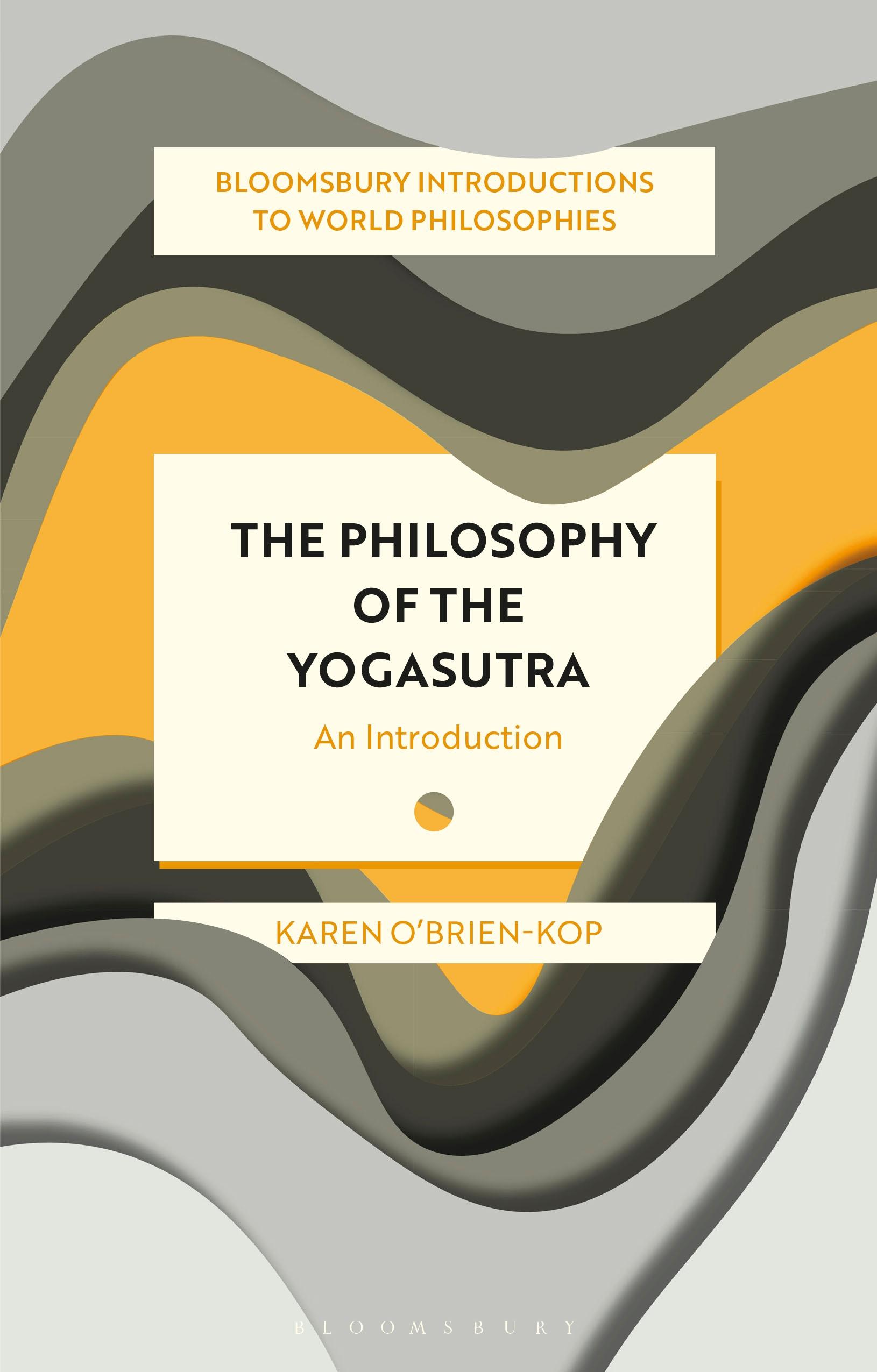
Karen O'Brien-Kop's introduction to the Yogasutra highlights its status as a significant work of philosophy. Approaching the Yogasutra as living philosophy, this book elucidates philosophical conceptions of yoga, recognises the logical structure the sutras follow and explains the rules and principles that have sustained Patañjali's system of thought for centuries.
Moving beyond standard interpretations of Patañjali's text and commentary as an aphoristic practice manual, O'Brien-Kop uses branches of philosophy to read the Yogasutra. Covering reality, self, ethics, language and knowledge, Patañjali's philosophies come to the fore. The book introduces his reasoned positions on dual and nondual metaphysics, the relationship between mind and body, the qualities of consciousness, the nature of freedom, and how to live ethically.
Carefully-selected extracts from the primary text are translated for those unfamiliar with Sanskrit and commentaries run throughout. A glossary provides definitions of key concepts with useful translations. Accessible and up-to-date, this introduction broadens our understanding of Indian philosophical thought and explains why the Yogasutra deserves to be read alongside Parmenides' 'On Nature' and Plato's Phaedo as a classic of world philosophy.
Moving beyond standard interpretations of Patañjali's text and commentary as an aphoristic practice manual, O'Brien-Kop uses branches of philosophy to read the Yogasutra. Covering reality, self, ethics, language and knowledge, Patañjali's philosophies come to the fore. The book introduces his reasoned positions on dual and nondual metaphysics, the relationship between mind and body, the qualities of consciousness, the nature of freedom, and how to live ethically.
Carefully-selected extracts from the primary text are translated for those unfamiliar with Sanskrit and commentaries run throughout. A glossary provides definitions of key concepts with useful translations. Accessible and up-to-date, this introduction broadens our understanding of Indian philosophical thought and explains why the Yogasutra deserves to be read alongside Parmenides' 'On Nature' and Plato's Phaedo as a classic of world philosophy.
Zahle einfach mit Karte, Klarna, Apple Pay oder Google Pay. Nicht zufrieden? Du hast immer ein 14-tägiges Widerrufsrecht. Lies mehr in unseren AGB. Hast du Fragen, schreib uns eine E-Mail an hello@memmo.org.
Memmo macht das Lernen einfacher – wo auch immer du bist. Bei uns findest du deine Kursbücher und smarte Lerntools an einem Ort: Zusammenfassungen, Quizzes, Podcasts und Lernkarten. Und Ted, dein Lernbuddy, beantwortet alles, was du wissen möchtest. Über 50.000 Studierende lernen bereits hier – gemacht, damit du schneller lernst und weniger Stress hast.