
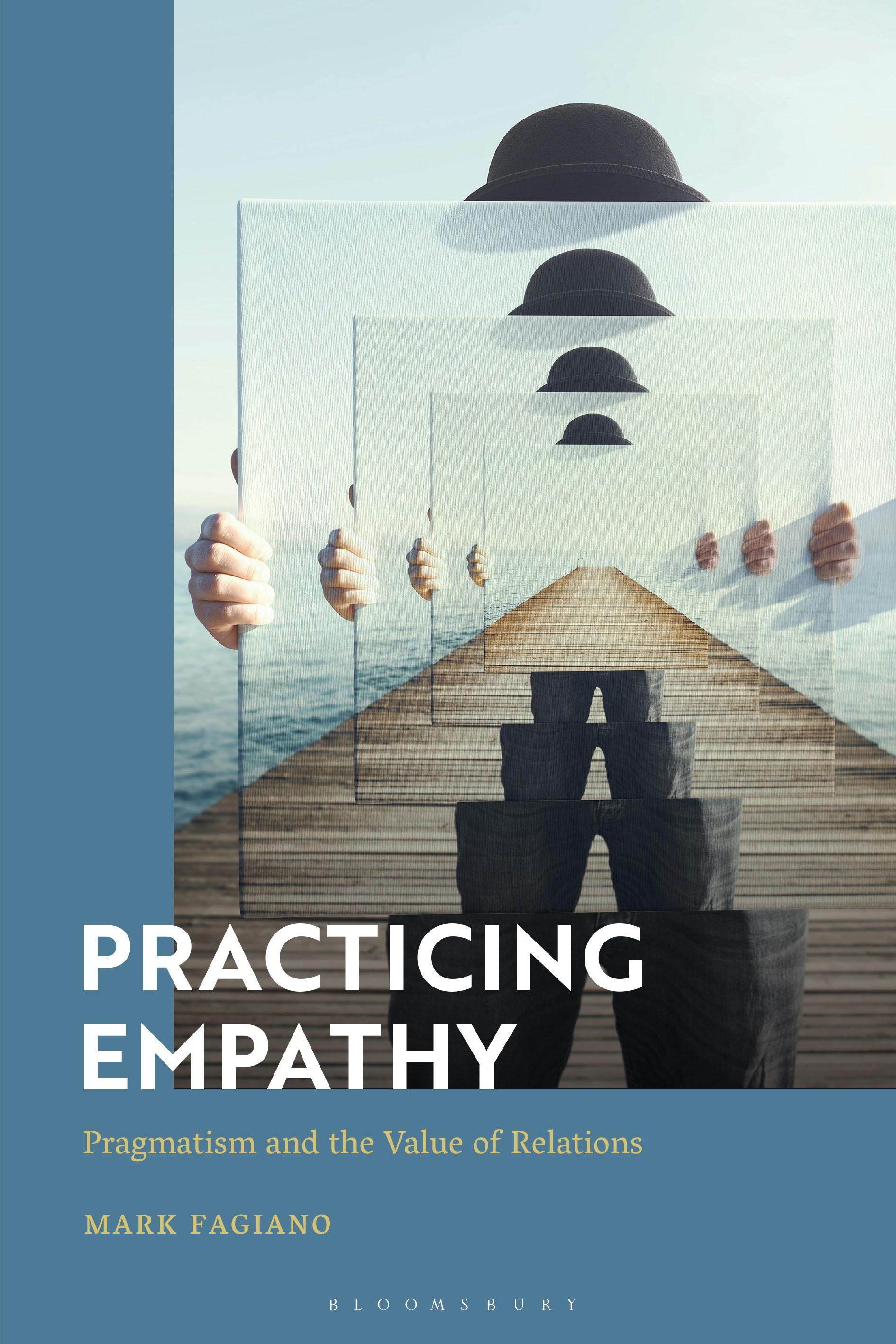
There is widespread disagreement over what constitutes an experience of empathy. In this study of its value and moral features, Mark Fagiano acknowledges the ambiguity surrounding the term and offers a unified theory of empathy that includes rival definitions.
His historical account of the multiple meanings of empathy lays the groundwork for a new philosophical theory. Based on relations, it resolves the problem of conflicting definitions of empathy by distinguishing between the three kinds of empathy: the relations of feeling into, feeling with, and feeling for, each of which has been defined historically as a type of empathy. Fagiano's unique focus on relations, on the modes and manner by which we are connected with things and with people, reveals a transactional account of empathy that can be applied to a variety of different contexts and social circumstances.
Grounded in the philosophical tradition of American Pragmatism, Fagiano's approach demonstrates the practical benefits of adopting a broad and pluralistic understanding of empathy as both an idea and a practice. His pragmatic and contextualist philosophy of empathy provides a valuable starting point for answering some of the most pressing questions surrounding empathy today, including can empathy be developed? Is empathy moral? What is the difference between empathy and sympathy?
His historical account of the multiple meanings of empathy lays the groundwork for a new philosophical theory. Based on relations, it resolves the problem of conflicting definitions of empathy by distinguishing between the three kinds of empathy: the relations of feeling into, feeling with, and feeling for, each of which has been defined historically as a type of empathy. Fagiano's unique focus on relations, on the modes and manner by which we are connected with things and with people, reveals a transactional account of empathy that can be applied to a variety of different contexts and social circumstances.
Grounded in the philosophical tradition of American Pragmatism, Fagiano's approach demonstrates the practical benefits of adopting a broad and pluralistic understanding of empathy as both an idea and a practice. His pragmatic and contextualist philosophy of empathy provides a valuable starting point for answering some of the most pressing questions surrounding empathy today, including can empathy be developed? Is empathy moral? What is the difference between empathy and sympathy?
Zahle einfach mit Karte, Klarna, Apple Pay oder Google Pay. Nicht zufrieden? Du hast immer ein 14-tägiges Widerrufsrecht. Lies mehr in unseren AGB. Hast du Fragen, schreib uns eine E-Mail an hello@memmo.org.
Memmo macht das Lernen einfacher – wo auch immer du bist. Bei uns findest du deine Kursbücher und smarte Lerntools an einem Ort: Zusammenfassungen, Quizzes, Podcasts und Lernkarten. Und Ted, dein Lernbuddy, beantwortet alles, was du wissen möchtest. Über 50.000 Studierende lernen bereits hier – gemacht, damit du schneller lernst und weniger Stress hast.