
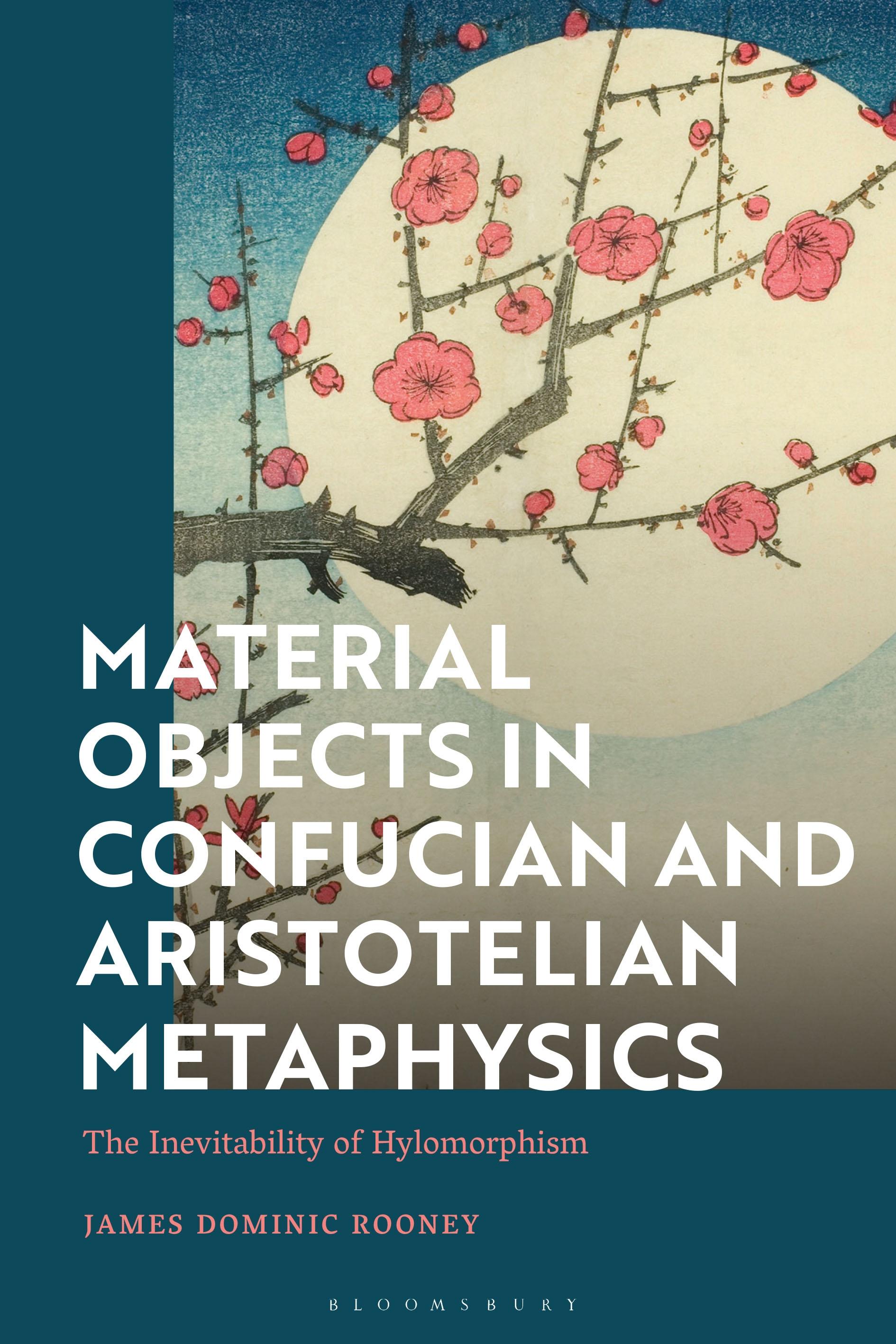
Hylomorphism is a metaphysical theory that explains the unity of material objects through a special immaterial part, a 'form'. While contemporary accounts of hylomorphism appeal to structure, and advocate that material substances can have other substances as parts, James Dominic Rooney highlights the flaws in this Neo-Aristotelian way of thinking. Instead, he draws on medieval European and Chinese traditions to put forward that the classical approach to the unity of material objects in terms of 'form' remains theoretically superior.
Rooney shows how Thomas Aquinas' account of form gives a more coherent version of hylomorphism, eliminating the need for substance parts. He also studies the Song dynasty Confucian thinker Zhu Xi's hylomorphic intuition that whatever accounts for the composition of some parts into a material whole is a metaphysical part of that object. By appealing to the same non-Aristotelian considerations as Zhu Xi, Rooney explains why all those who believe in the unity of material objects will appeal to a form, enabling hylomorphism to remain a plausible framework. In doing so, this book shines new light on a classic philosophical problem in contemporary metaphysics and demonstrates the far-reaching points of theoretical contact between Western and Confucian thought.
Rooney shows how Thomas Aquinas' account of form gives a more coherent version of hylomorphism, eliminating the need for substance parts. He also studies the Song dynasty Confucian thinker Zhu Xi's hylomorphic intuition that whatever accounts for the composition of some parts into a material whole is a metaphysical part of that object. By appealing to the same non-Aristotelian considerations as Zhu Xi, Rooney explains why all those who believe in the unity of material objects will appeal to a form, enabling hylomorphism to remain a plausible framework. In doing so, this book shines new light on a classic philosophical problem in contemporary metaphysics and demonstrates the far-reaching points of theoretical contact between Western and Confucian thought.
Zahle einfach mit Karte, Klarna, Apple Pay oder Google Pay. Nicht zufrieden? Du hast immer ein 14-tägiges Widerrufsrecht. Lies mehr in unseren AGB. Hast du Fragen, schreib uns eine E-Mail an hello@memmo.org.
Memmo macht das Lernen einfacher – wo auch immer du bist. Bei uns findest du deine Kursbücher und smarte Lerntools an einem Ort: Zusammenfassungen, Quizzes, Podcasts und Lernkarten. Und Ted, dein Lernbuddy, beantwortet alles, was du wissen möchtest. Über 50.000 Studierende lernen bereits hier – gemacht, damit du schneller lernst und weniger Stress hast.