
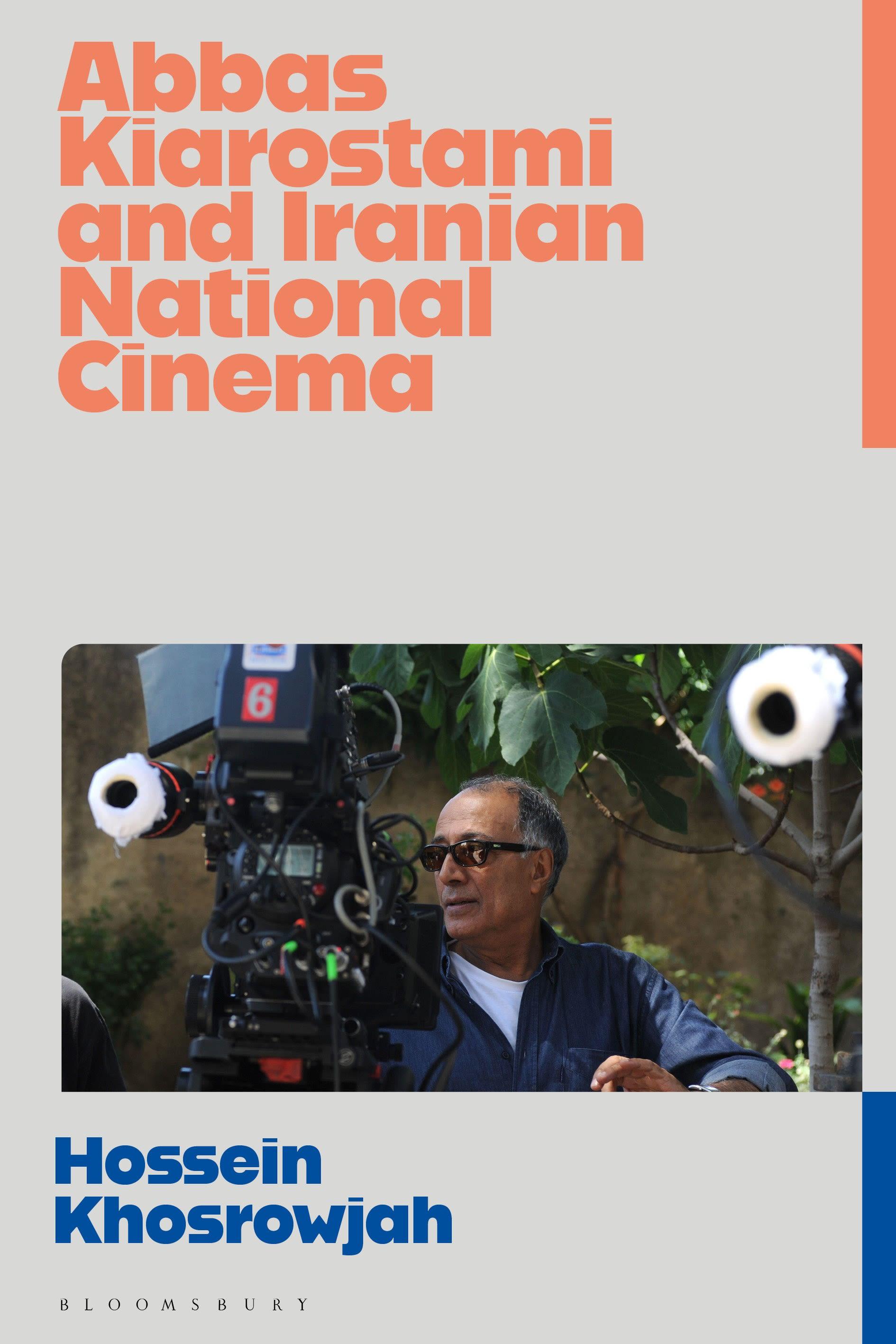
The films of Abbas Kiarostami (1940-2016) are at once ambiguous and singular, challenging easy categorisation in national, generic, and formal terms. In this insightful study, Hossein Khosrowjah provides an in-depth exploration of Kiarostami's body of work, considering how his filmmaking confronts questions of cinematic representation, identity, and the myth of national unity.
Challenging prevailing auteurist readings of Kiarostami's work, Hossein Khosrowjah firmly anchors his filmmaking within the historical context of Iranian national cinema. Through a close reading of key films, including Close-Up (1990), Taste of Cherry (1997), The Wind Will Carry Us (1999), and 10 (2002), he explores Kiarostami's radically anti-allegorical representational strategies. He goes on to examine the national and global circulation of his films, considering the role of censorship within Iran and the intersection of art, politics and the complexities of creative freedom.
He traces the continuing emphasis on partiality and the singularity of representations-of subjects, time, and location-across Kiarostami's films, arguing that it is through this intentional ambiguity that his cinema reshapes notions of nation and national identity, challenges conventions and broadens the scope for cinematic expression.
Challenging prevailing auteurist readings of Kiarostami's work, Hossein Khosrowjah firmly anchors his filmmaking within the historical context of Iranian national cinema. Through a close reading of key films, including Close-Up (1990), Taste of Cherry (1997), The Wind Will Carry Us (1999), and 10 (2002), he explores Kiarostami's radically anti-allegorical representational strategies. He goes on to examine the national and global circulation of his films, considering the role of censorship within Iran and the intersection of art, politics and the complexities of creative freedom.
He traces the continuing emphasis on partiality and the singularity of representations-of subjects, time, and location-across Kiarostami's films, arguing that it is through this intentional ambiguity that his cinema reshapes notions of nation and national identity, challenges conventions and broadens the scope for cinematic expression.
Seiten: 240
Kategorie: Film- & Medievetenskap
e-ISBN: 9781350274372
Versandgewicht: 1.2 kg
Versand in: 1-2 Tage
Zahle einfach mit Karte, Klarna, Apple Pay oder Google Pay. Nicht zufrieden? Du hast immer ein 14-tägiges Widerrufsrecht. Lies mehr in unseren AGB. Hast du Fragen, schreib uns eine E-Mail an hello@memmo.org.
Memmo macht das Lernen einfacher – wo auch immer du bist. Bei uns findest du deine Kursbücher und smarte Lerntools an einem Ort: Zusammenfassungen, Quizzes, Podcasts und Lernkarten. Und Ted, dein Lernbuddy, beantwortet alles, was du wissen möchtest. Über 50.000 Studierende lernen bereits hier – gemacht, damit du schneller lernst und weniger Stress hast.