
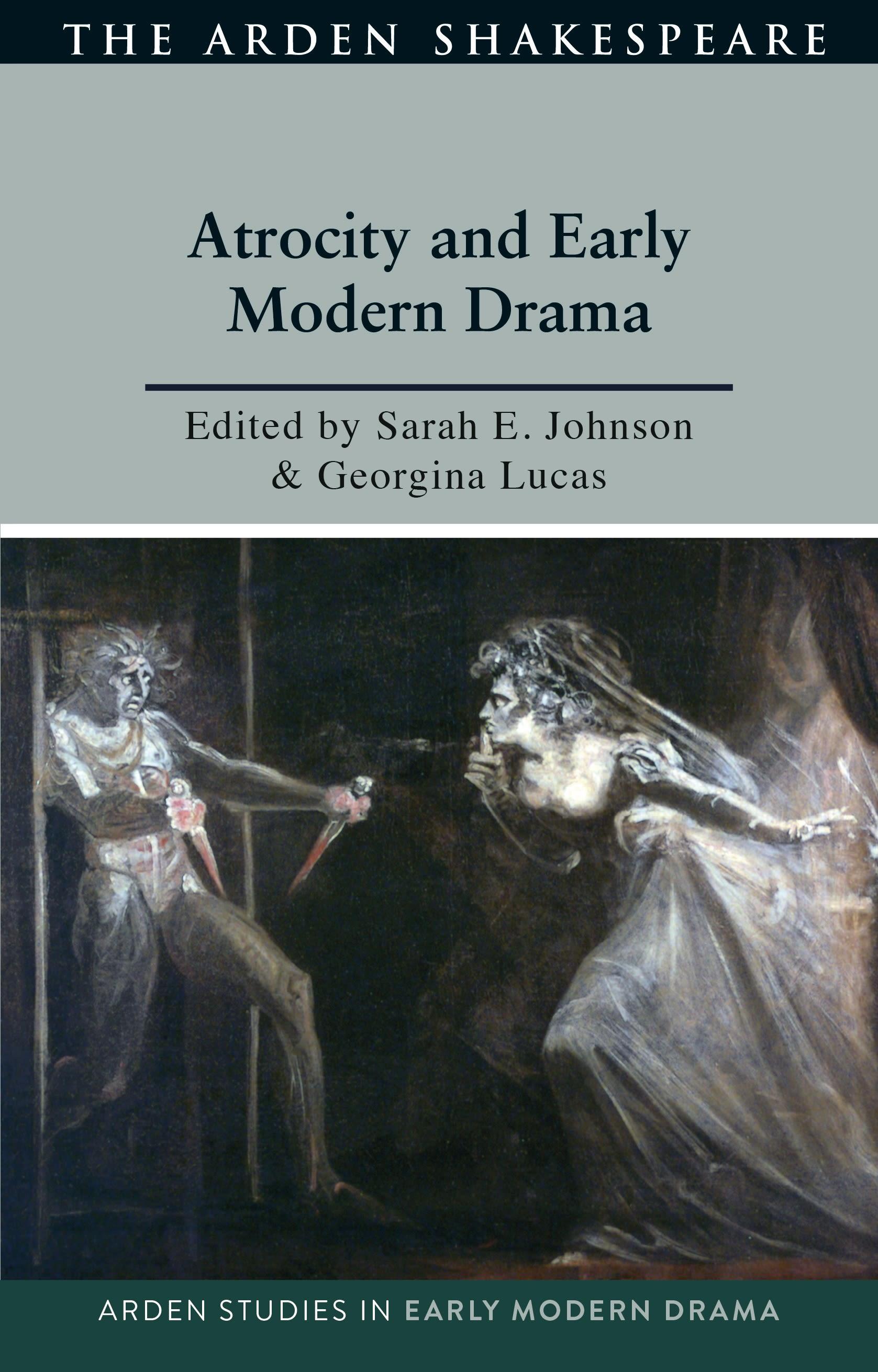
Extreme violence scarred the early modern period. Contemporary commentators grappled to find language to categorize the massacres, genocides, assassinations, enslavements, sacks, rapes, riots and regicides that characterized the period. Some used 'outrages', others 'cruelties', but, significantly, the term 'atrocity' that we use today gained the most currency.
Atrocity and Early Modern Drama intervenes in the broad field of violence and early modern drama by placing acts of atrocity at its centre. In doing so, this essay collection offers the first book-length examination of atrocities and early modern English drama. The volume considers atrocity in early theatre, its varied representations in contemporary Shakespeare performance, and strategies for teaching early modern atrocity drama. Contributors introduce us to atrocity in the works of Shakespeare, John Fletcher, William Rowley, Thomas Dekker and Thomas Middleton across a range of forms including comedy, tragedy, revenge, cinematic adaptation, documentary film and contemporary theatre. The collection addresses the intersections of atrocities through class, crime, gender, race and the natural world. Together, the chapters interrogate how early modern English drama reflects upon and shapes understandings of the historically contingent, politically loaded and culturally contentious phenomena of atrocity.
Atrocity and Early Modern Drama intervenes in the broad field of violence and early modern drama by placing acts of atrocity at its centre. In doing so, this essay collection offers the first book-length examination of atrocities and early modern English drama. The volume considers atrocity in early theatre, its varied representations in contemporary Shakespeare performance, and strategies for teaching early modern atrocity drama. Contributors introduce us to atrocity in the works of Shakespeare, John Fletcher, William Rowley, Thomas Dekker and Thomas Middleton across a range of forms including comedy, tragedy, revenge, cinematic adaptation, documentary film and contemporary theatre. The collection addresses the intersections of atrocities through class, crime, gender, race and the natural world. Together, the chapters interrogate how early modern English drama reflects upon and shapes understandings of the historically contingent, politically loaded and culturally contentious phenomena of atrocity.
Zahle einfach mit Karte, Klarna, Apple Pay oder Google Pay. Nicht zufrieden? Du hast immer ein 14-tägiges Widerrufsrecht. Lies mehr in unseren AGB. Hast du Fragen, schreib uns eine E-Mail an hello@memmo.org.
Memmo macht das Lernen einfacher – wo auch immer du bist. Bei uns findest du deine Kursbücher und smarte Lerntools an einem Ort: Zusammenfassungen, Quizzes, Podcasts und Lernkarten. Und Ted, dein Lernbuddy, beantwortet alles, was du wissen möchtest. Über 50.000 Studierende lernen bereits hier – gemacht, damit du schneller lernst und weniger Stress hast.