
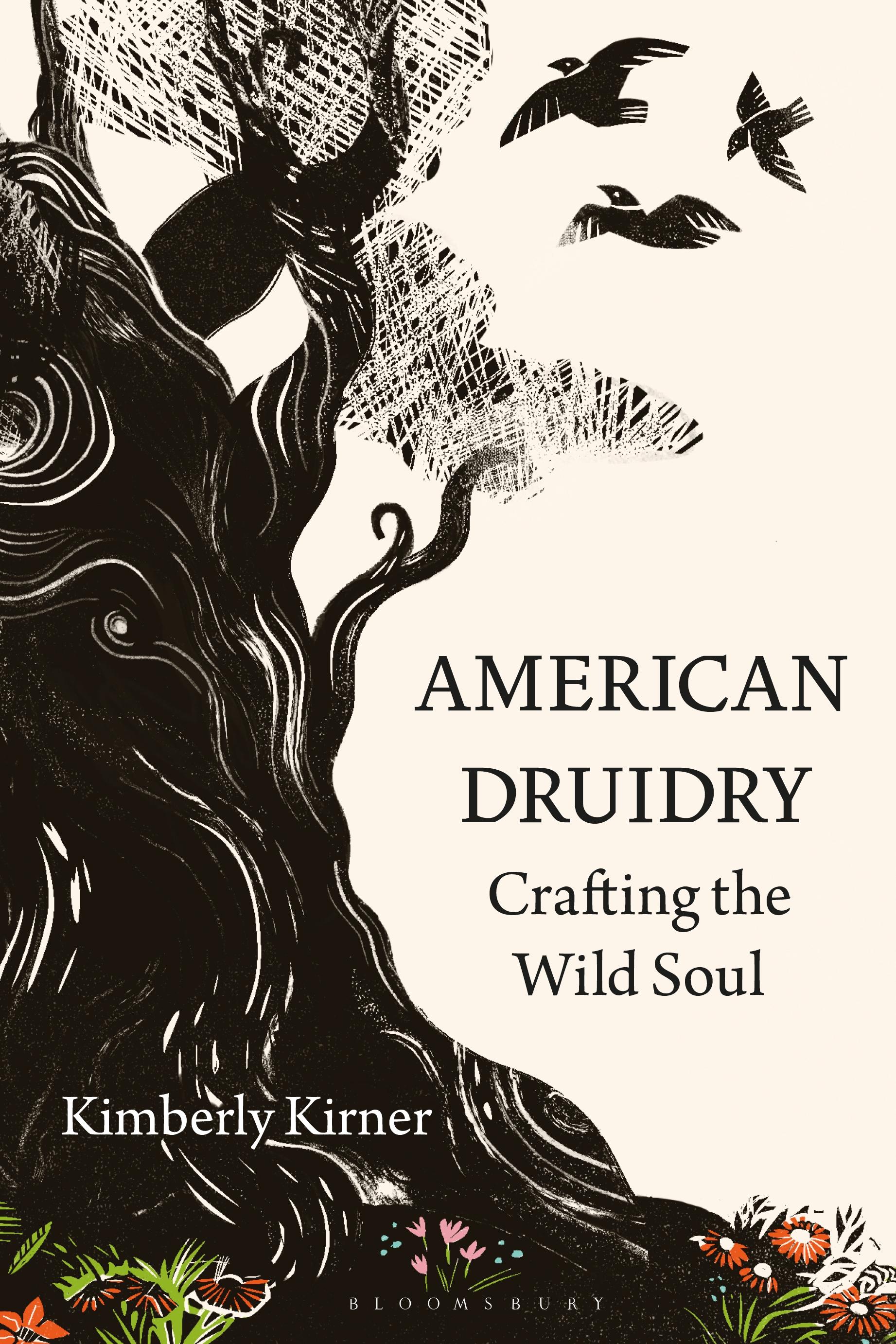
Approaching Druidry as an emerging religious movement that offers an alternative to the mainstream materialist, consumerist culture of the United States, Kimberly Kirner analyses her own life as a Druid through the lens of her profession as a cultural anthropologist.
Interweaving lively stories of her life as a Druid with accessible analytical essays drawing from an unusual array of literature from the anthropology of religion, the anthropology of consciousness, organizational anthropology, cognitive anthropology, and ethnoecology, she leads the reader into an experiential and conceptual understanding of Druidry as a way of life and as a contemporary Western new religious movement that challenges Christo-centric definitions of religion.
Reflecting on three domains of the Druidic life, the author describes the Druidic worldview (place, time, and the body), community (relational spirituality), and vocation (ethics and action). These descriptions are punctuated with reflective essays that question the boundaries and nature of religion as it is generally understood in the Western world by examining how Druidry might be understood using concepts more appropriate to Druids' conceptualizations of themselves.
Interweaving lively stories of her life as a Druid with accessible analytical essays drawing from an unusual array of literature from the anthropology of religion, the anthropology of consciousness, organizational anthropology, cognitive anthropology, and ethnoecology, she leads the reader into an experiential and conceptual understanding of Druidry as a way of life and as a contemporary Western new religious movement that challenges Christo-centric definitions of religion.
Reflecting on three domains of the Druidic life, the author describes the Druidic worldview (place, time, and the body), community (relational spirituality), and vocation (ethics and action). These descriptions are punctuated with reflective essays that question the boundaries and nature of religion as it is generally understood in the Western world by examining how Druidry might be understood using concepts more appropriate to Druids' conceptualizations of themselves.
Zahle einfach mit Karte, Klarna, Apple Pay oder Google Pay. Nicht zufrieden? Du hast immer ein 14-tägiges Widerrufsrecht. Lies mehr in unseren AGB. Hast du Fragen, schreib uns eine E-Mail an hello@memmo.org.
Memmo macht das Lernen einfacher – wo auch immer du bist. Bei uns findest du deine Kursbücher und smarte Lerntools an einem Ort: Zusammenfassungen, Quizzes, Podcasts und Lernkarten. Und Ted, dein Lernbuddy, beantwortet alles, was du wissen möchtest. Über 50.000 Studierende lernen bereits hier – gemacht, damit du schneller lernst und weniger Stress hast.