
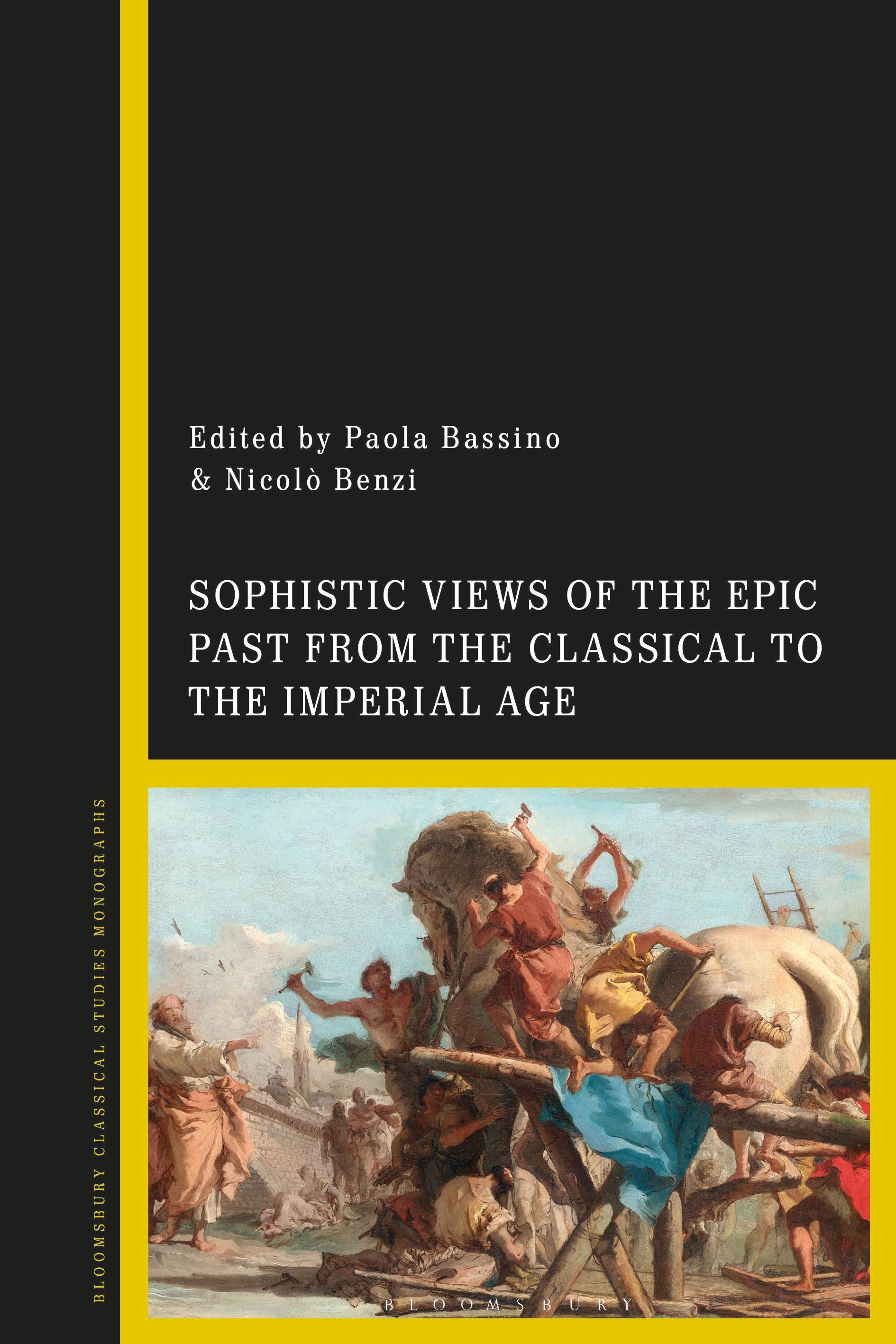
This collection of essays sheds new light on the relationship between two of the main drivers of intellectual discourse in ancient Greece: the epic tradition and the Sophists. The contributors show how throughout antiquity the epic tradition proved a flexible instrument to navigate new political, cultural, and philosophical contexts. The Sophists, both in the Classical and the Imperial age, continuously reconfigured the value of epic poetry according to the circumstances: using epic myths allowed the Sophists to present themselves as the heirs of traditional education, but at the same time this tradition was reshaped to encapsulate new questions that were central to the Sophists' intellectual agenda.
This volume is structured chronologically, encompassing the ancient world from the Classical Age through the first two centuries AD. The first chapters, on the First Sophistic, discuss pivotal works such as Gorgias' Encomium of Helen and Apology of Palamedes, Alcidamas' Odysseus or Against the Treachery of Palamedes, and Antisthenes' pair of speeches Ajax and Odysseus, as well as a range of passages from Plato and other authors. The volume then moves on to discuss some of the major works of literature from the Second Sophistic dealing with the epic tradition. These include Lucian's Judgement of the Goddesses and Dio Chrysostom's orations 11 and 20, as well as Philostratus' Heroicus and Imagines.
This volume is structured chronologically, encompassing the ancient world from the Classical Age through the first two centuries AD. The first chapters, on the First Sophistic, discuss pivotal works such as Gorgias' Encomium of Helen and Apology of Palamedes, Alcidamas' Odysseus or Against the Treachery of Palamedes, and Antisthenes' pair of speeches Ajax and Odysseus, as well as a range of passages from Plato and other authors. The volume then moves on to discuss some of the major works of literature from the Second Sophistic dealing with the epic tradition. These include Lucian's Judgement of the Goddesses and Dio Chrysostom's orations 11 and 20, as well as Philostratus' Heroicus and Imagines.
Seiten: 256
Kategorie: Arkeologi & Antikvetenskap
e-ISBN: 9781350255784
Versandgewicht: 1.2 kg
Versand in: 1-2 Tage
Zahle einfach mit Karte, Klarna, Apple Pay oder Google Pay. Nicht zufrieden? Du hast immer ein 14-tägiges Widerrufsrecht. Lies mehr in unseren AGB. Hast du Fragen, schreib uns eine E-Mail an hello@memmo.org.
Memmo macht das Lernen einfacher – wo auch immer du bist. Bei uns findest du deine Kursbücher und smarte Lerntools an einem Ort: Zusammenfassungen, Quizzes, Podcasts und Lernkarten. Und Ted, dein Lernbuddy, beantwortet alles, was du wissen möchtest. Über 50.000 Studierende lernen bereits hier – gemacht, damit du schneller lernst und weniger Stress hast.