
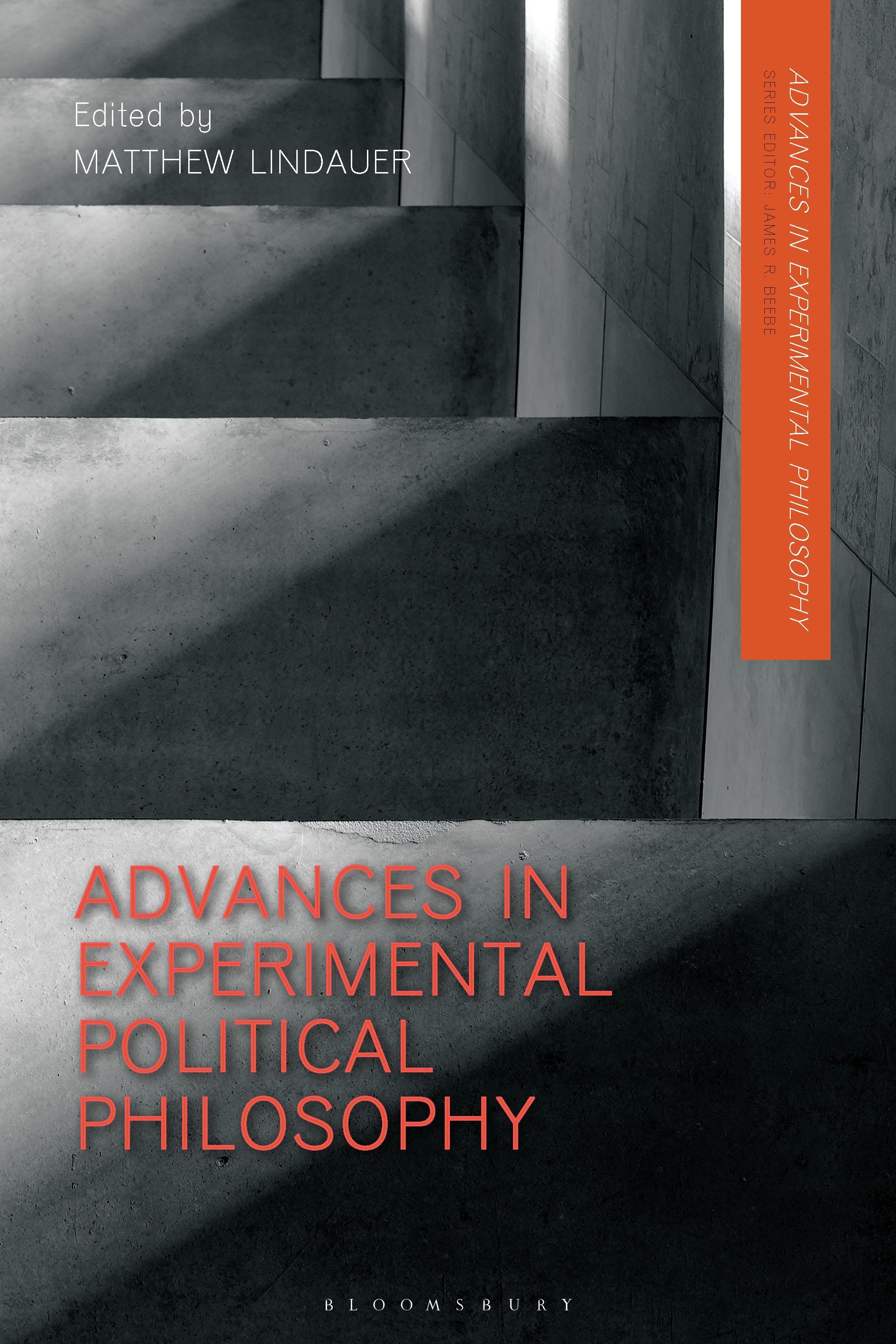
Political philosophy asks questions of great importance to our lives, both as individuals and members of political communities: What is justice? What does the state owe to its citizens? Under which conditions are different forms of government likely to be stable? The relevance of empirical research to such questions, however, has been largely underexplored.
Introducing experimental political philosophy as a burgeoning field of inquiry, this volume brings together leading scholars using empirical methods to shed light on questions of justice and politics, and encourages them to reflect on the relationship of their methodologies to less empirically-focused approaches. Chapters cover traditional topics including distributive justice, egalitarianism, property rights, and healthcare justice, as well as outlining new directions and applications, such as the problem of misogynistic extremist movements, the public justification of immigration enforcement, and the relationship between gender norms and support for care labor organizing. The result is a unique collection that paves the way for further debates in the field and meaningful reflection on what it means for political philosophy to be empirically informed.
Introducing experimental political philosophy as a burgeoning field of inquiry, this volume brings together leading scholars using empirical methods to shed light on questions of justice and politics, and encourages them to reflect on the relationship of their methodologies to less empirically-focused approaches. Chapters cover traditional topics including distributive justice, egalitarianism, property rights, and healthcare justice, as well as outlining new directions and applications, such as the problem of misogynistic extremist movements, the public justification of immigration enforcement, and the relationship between gender norms and support for care labor organizing. The result is a unique collection that paves the way for further debates in the field and meaningful reflection on what it means for political philosophy to be empirically informed.
Zahle einfach mit Karte, Klarna, Apple Pay oder Google Pay. Nicht zufrieden? Du hast immer ein 14-tägiges Widerrufsrecht. Lies mehr in unseren AGB. Hast du Fragen, schreib uns eine E-Mail an hello@memmo.org.
Memmo macht das Lernen einfacher – wo auch immer du bist. Bei uns findest du deine Kursbücher und smarte Lerntools an einem Ort: Zusammenfassungen, Quizzes, Podcasts und Lernkarten. Und Ted, dein Lernbuddy, beantwortet alles, was du wissen möchtest. Über 50.000 Studierende lernen bereits hier – gemacht, damit du schneller lernst und weniger Stress hast.