
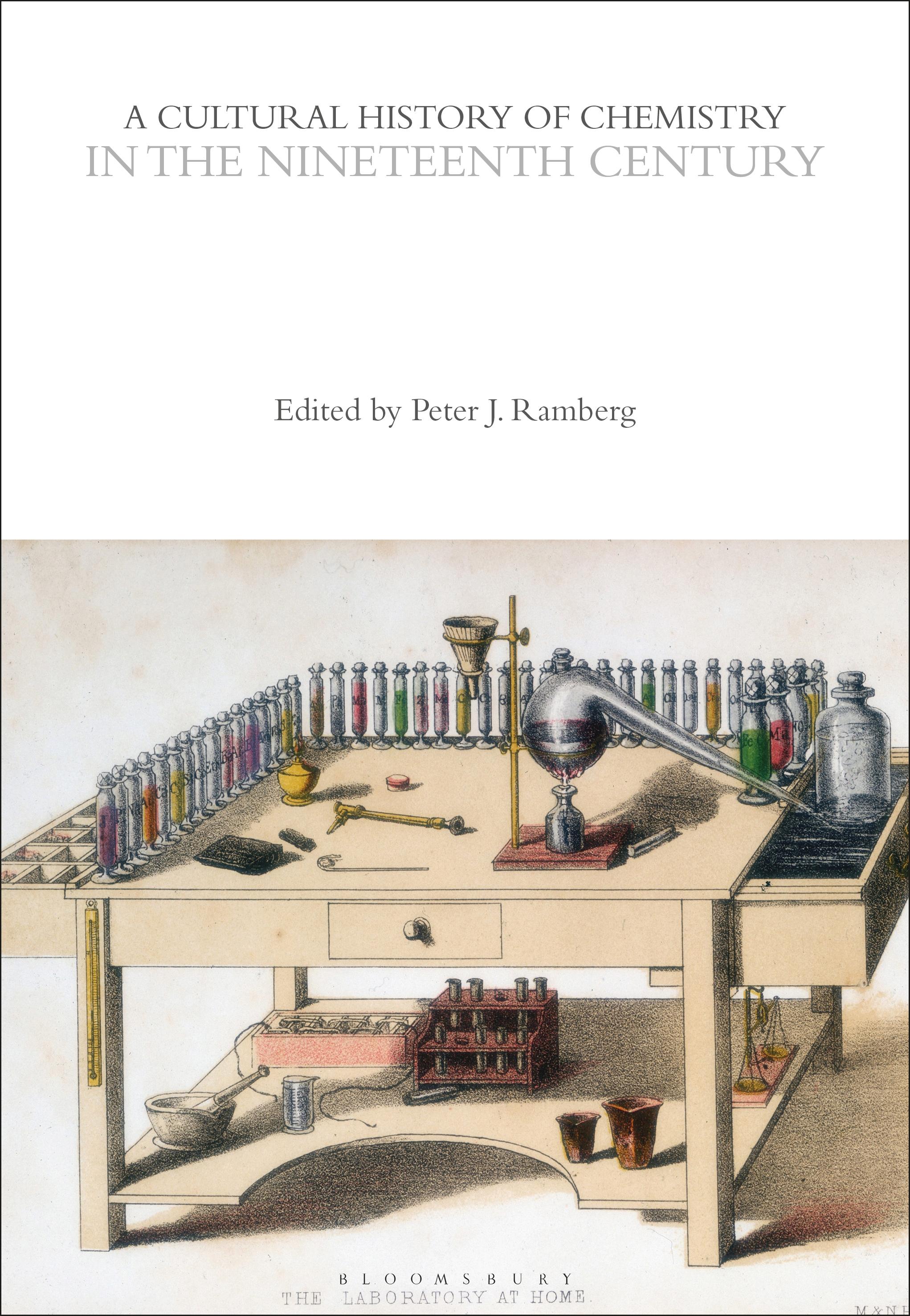
A Cultural History of Chemistry in the Nineteenth Century covers the period from 1815 to 1914 and the birth of modern chemistry. The elaboration of atomic theory - and new ideas of periodicity, structure, bonding, and equilibrium - emerged in tandem with new instruments and practices. The chemical industry expanded exponentially, fuelled by an increasing demand for steel, aluminium, dyestuffs, pharmaceuticals, and consumer goods. And the chemical laboratory became established in its two distinct modern settings of the university and industry. At the turn of the century, the discovery of radioactivity took hold of the public imagination, drawing chemistry closer to physics, even as it threatened to undermine the whole concept of atomism.
The 6 volume set of the Cultural History of Chemistry presents the first comprehensive history from the Bronze Age to today, covering all forms and aspects of chemistry and its ever-changing social context. The themes covered in each volume are theory and concepts; practice and experiment; laboratories and technology; culture and science; society and environment; trade and industry; learning and institutions; art and representation.
Peter J. Ramberg is Professor of the History of Science at Truman State University, USA.
Volume 5 in the Cultural History of Chemistry set.
General Editors: Peter J. T. Morris, University College London, UK, and Alan Rocke, Case Western Reserve University, USA.
The 6 volume set of the Cultural History of Chemistry presents the first comprehensive history from the Bronze Age to today, covering all forms and aspects of chemistry and its ever-changing social context. The themes covered in each volume are theory and concepts; practice and experiment; laboratories and technology; culture and science; society and environment; trade and industry; learning and institutions; art and representation.
Peter J. Ramberg is Professor of the History of Science at Truman State University, USA.
Volume 5 in the Cultural History of Chemistry set.
General Editors: Peter J. T. Morris, University College London, UK, and Alan Rocke, Case Western Reserve University, USA.
Zahle einfach mit Karte, Klarna, Apple Pay oder Google Pay. Nicht zufrieden? Du hast immer ein 14-tägiges Widerrufsrecht. Lies mehr in unseren AGB. Hast du Fragen, schreib uns eine E-Mail an hello@memmo.org.
Memmo macht das Lernen einfacher – wo auch immer du bist. Bei uns findest du deine Kursbücher und smarte Lerntools an einem Ort: Zusammenfassungen, Quizzes, Podcasts und Lernkarten. Und Ted, dein Lernbuddy, beantwortet alles, was du wissen möchtest. Über 50.000 Studierende lernen bereits hier – gemacht, damit du schneller lernst und weniger Stress hast.