
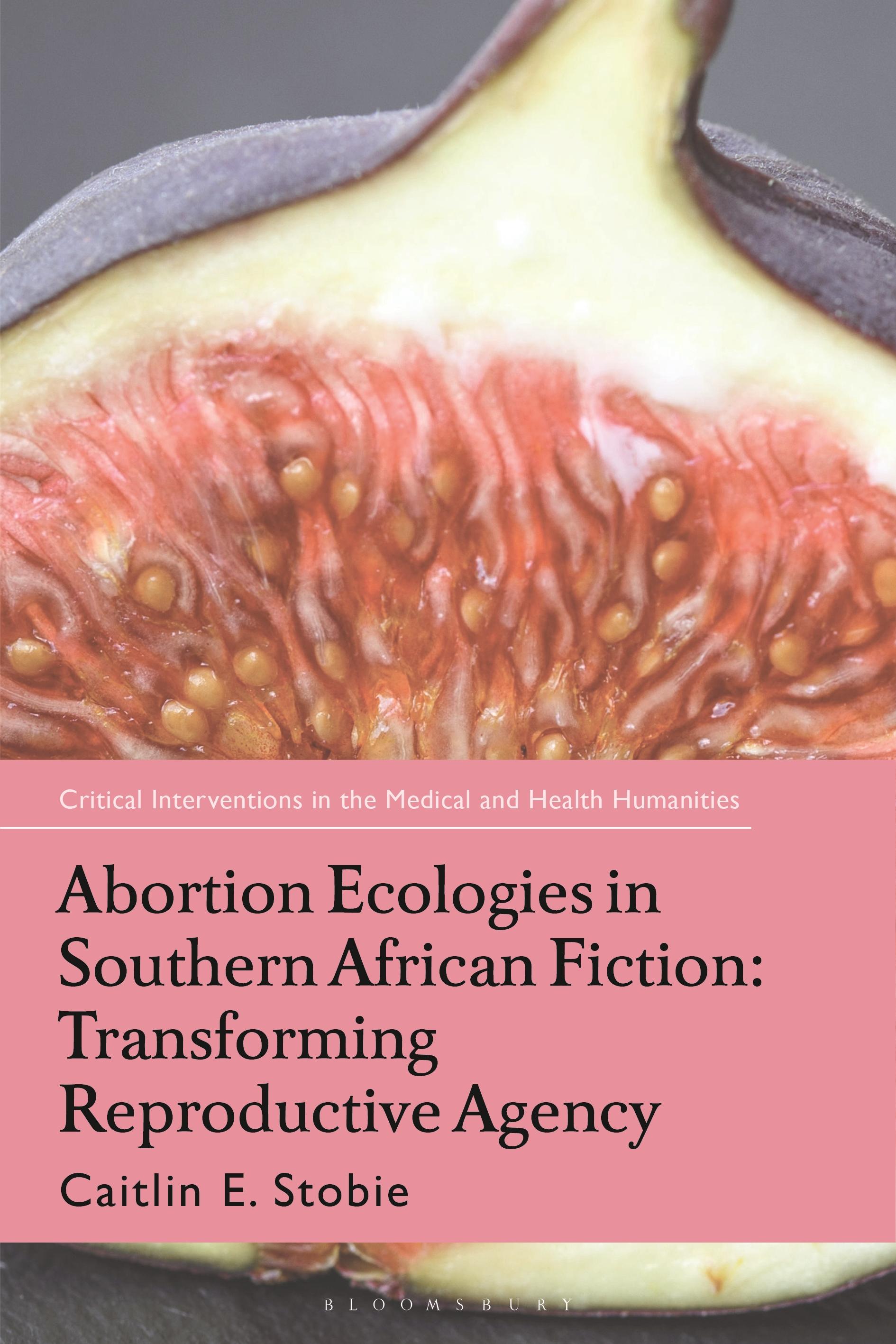
Focusing on texts from the late 1970s to the 1990s which document both changing attitudes to terminations of pregnancy and dramatic environmental, medical, and socio-political developments during southern Africa's liberation struggles, this book examines how four writers from Botswana, South Africa, and Zimbabwe address the ethics of abortion and reproductive choice.
Viewing recent fiction through the lens of new materialist theory – which challenges conventional, individual-based notions of human rights by asserting that all matter holds agency – this book argues that southern African women writers anticipate and exceed current feminist revivals of materialist thought. Not only do the authors question contemporary discourse framing abortion as either a confirmation of a woman's 'right to choose' or an unethical termination of human life, but they challenge conventional understandings of development, growth, and time.
Through close readings of both literal gestation in the selected texts and the metaphorical reproduction of the post/colonial nation, this study advances the concept of reproductive agency, creating a range of queer ecocritical alternatives to tropes such as those of 'the Mother Country', 'Mother Africa', or 'the birth of a nation'. This study situates abortion narratives by Wilma Stockenström (translated by J. M. Coetzee), Zoë Wicomb, Yvonne Vera, and Bessie Head alongside contemporary postcolonial feminist theories, melding traditional beliefs with materialist views to reconsider the future of reproductive health matters in southern Africa. Merging queer ecocritical perspectives from materialism and postcolonialism, this study will appeal to students and researchers in the medical humanities, new materialisms, and postcolonial studies.
Viewing recent fiction through the lens of new materialist theory – which challenges conventional, individual-based notions of human rights by asserting that all matter holds agency – this book argues that southern African women writers anticipate and exceed current feminist revivals of materialist thought. Not only do the authors question contemporary discourse framing abortion as either a confirmation of a woman's 'right to choose' or an unethical termination of human life, but they challenge conventional understandings of development, growth, and time.
Through close readings of both literal gestation in the selected texts and the metaphorical reproduction of the post/colonial nation, this study advances the concept of reproductive agency, creating a range of queer ecocritical alternatives to tropes such as those of 'the Mother Country', 'Mother Africa', or 'the birth of a nation'. This study situates abortion narratives by Wilma Stockenström (translated by J. M. Coetzee), Zoë Wicomb, Yvonne Vera, and Bessie Head alongside contemporary postcolonial feminist theories, melding traditional beliefs with materialist views to reconsider the future of reproductive health matters in southern Africa. Merging queer ecocritical perspectives from materialism and postcolonialism, this study will appeal to students and researchers in the medical humanities, new materialisms, and postcolonial studies.
Seiten: 224
Kategorie: Kultur-, Genus- & Postkoloniala studier
e-ISBN: 9781350250208
Versandgewicht: 1.2 kg
Versand in: 1-2 Tage
Zahle einfach mit Karte, Klarna, Apple Pay oder Google Pay. Nicht zufrieden? Du hast immer ein 14-tägiges Widerrufsrecht. Lies mehr in unseren AGB. Hast du Fragen, schreib uns eine E-Mail an hello@memmo.org.
Memmo macht das Lernen einfacher – wo auch immer du bist. Bei uns findest du deine Kursbücher und smarte Lerntools an einem Ort: Zusammenfassungen, Quizzes, Podcasts und Lernkarten. Und Ted, dein Lernbuddy, beantwortet alles, was du wissen möchtest. Über 50.000 Studierende lernen bereits hier – gemacht, damit du schneller lernst und weniger Stress hast.