
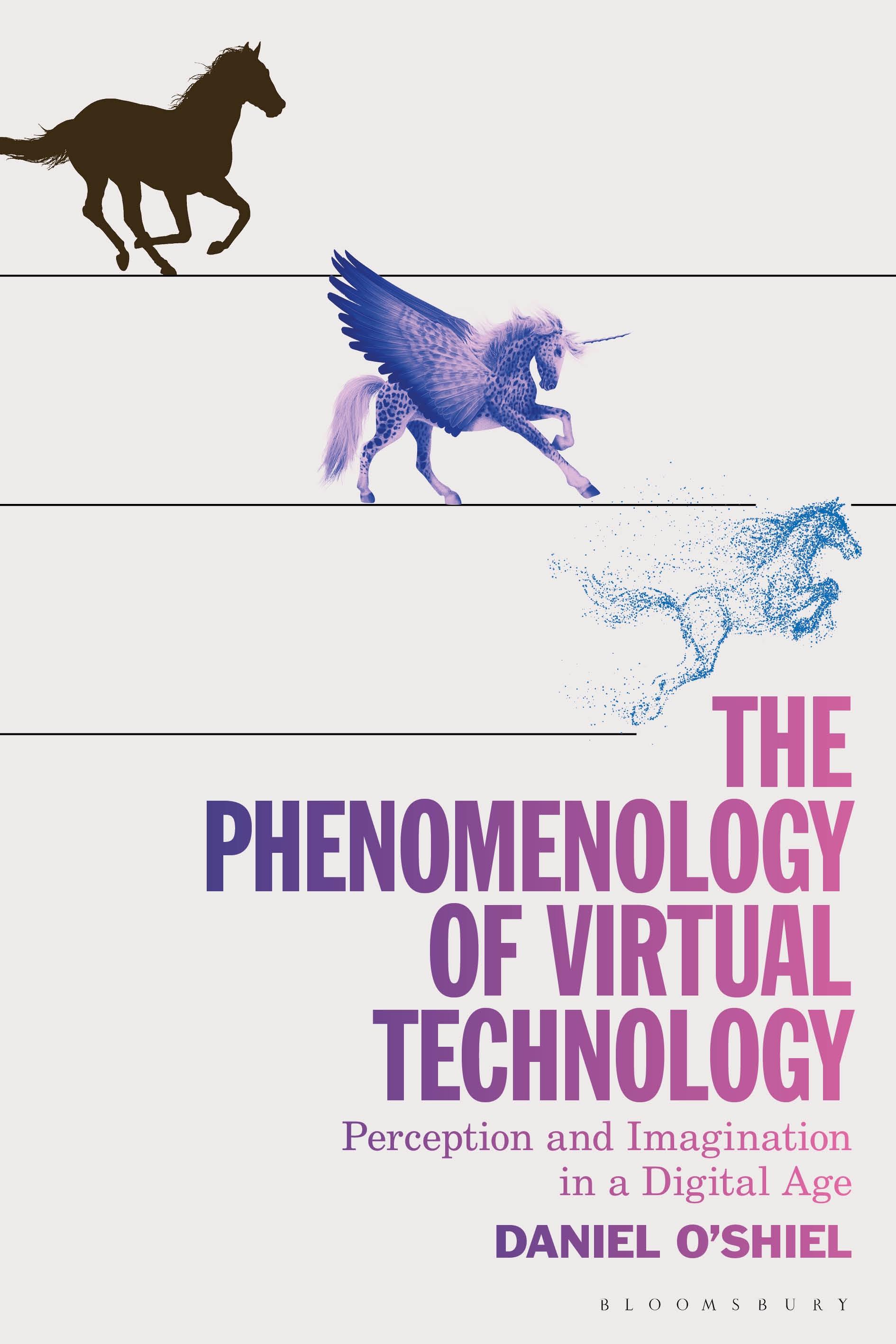
The digital age we now live in is fundamentally changing how we relate to our perceptions and images. Daniel O'Shiel provides the first comprehensive phenomenology of virtual technology in order to show how the previously well-established experiential lines and structures between three basic categories of phenomenal experience – our everyday perceptions of reality; our everyday fantasies of irreality; and our everyday engagements with external images, not least digital ones – are becoming blurred, inverted or are even collapsing in a new era where a specific type of virtuality is coming to the fore. O'Shiel examines in depth just what this means for the phenomenology behind it, as well as the concrete practical consequences going forward.
The work is divided into two main parts. In the first O'Shiel fully investigates the phenomenological natures of perception and imagination through close textual analyses of the relevant works by Edmund Husserl, Eugen Fink and Jean-Paul Sartre. In each phenomenologist perception and imagination are ultimately seen as different in kind, although the dividing line differs, especially with reference to a middle category of 'image-consciousness' (Bildbewusstsein). This first part argues for basic phenomenological differences between perceptions; physical and external images; and more mental imagery, while also allowing for a more general gradation between them. The second part then applies these theoretical findings to some of the most influential 'virtual technologies' today – social media; online gaming; and some virtual, augmented and mixed reality technologies – in order to show how previously clear categories of real and irreal, present and absent, genuine and fake, and even true and false, are becoming less so.
The work is divided into two main parts. In the first O'Shiel fully investigates the phenomenological natures of perception and imagination through close textual analyses of the relevant works by Edmund Husserl, Eugen Fink and Jean-Paul Sartre. In each phenomenologist perception and imagination are ultimately seen as different in kind, although the dividing line differs, especially with reference to a middle category of 'image-consciousness' (Bildbewusstsein). This first part argues for basic phenomenological differences between perceptions; physical and external images; and more mental imagery, while also allowing for a more general gradation between them. The second part then applies these theoretical findings to some of the most influential 'virtual technologies' today – social media; online gaming; and some virtual, augmented and mixed reality technologies – in order to show how previously clear categories of real and irreal, present and absent, genuine and fake, and even true and false, are becoming less so.
Zahle einfach mit Karte, Klarna, Apple Pay oder Google Pay. Nicht zufrieden? Du hast immer ein 14-tägiges Widerrufsrecht. Lies mehr in unseren AGB. Hast du Fragen, schreib uns eine E-Mail an hello@memmo.org.
Memmo macht das Lernen einfacher – wo auch immer du bist. Bei uns findest du deine Kursbücher und smarte Lerntools an einem Ort: Zusammenfassungen, Quizzes, Podcasts und Lernkarten. Und Ted, dein Lernbuddy, beantwortet alles, was du wissen möchtest. Über 50.000 Studierende lernen bereits hier – gemacht, damit du schneller lernst und weniger Stress hast.