
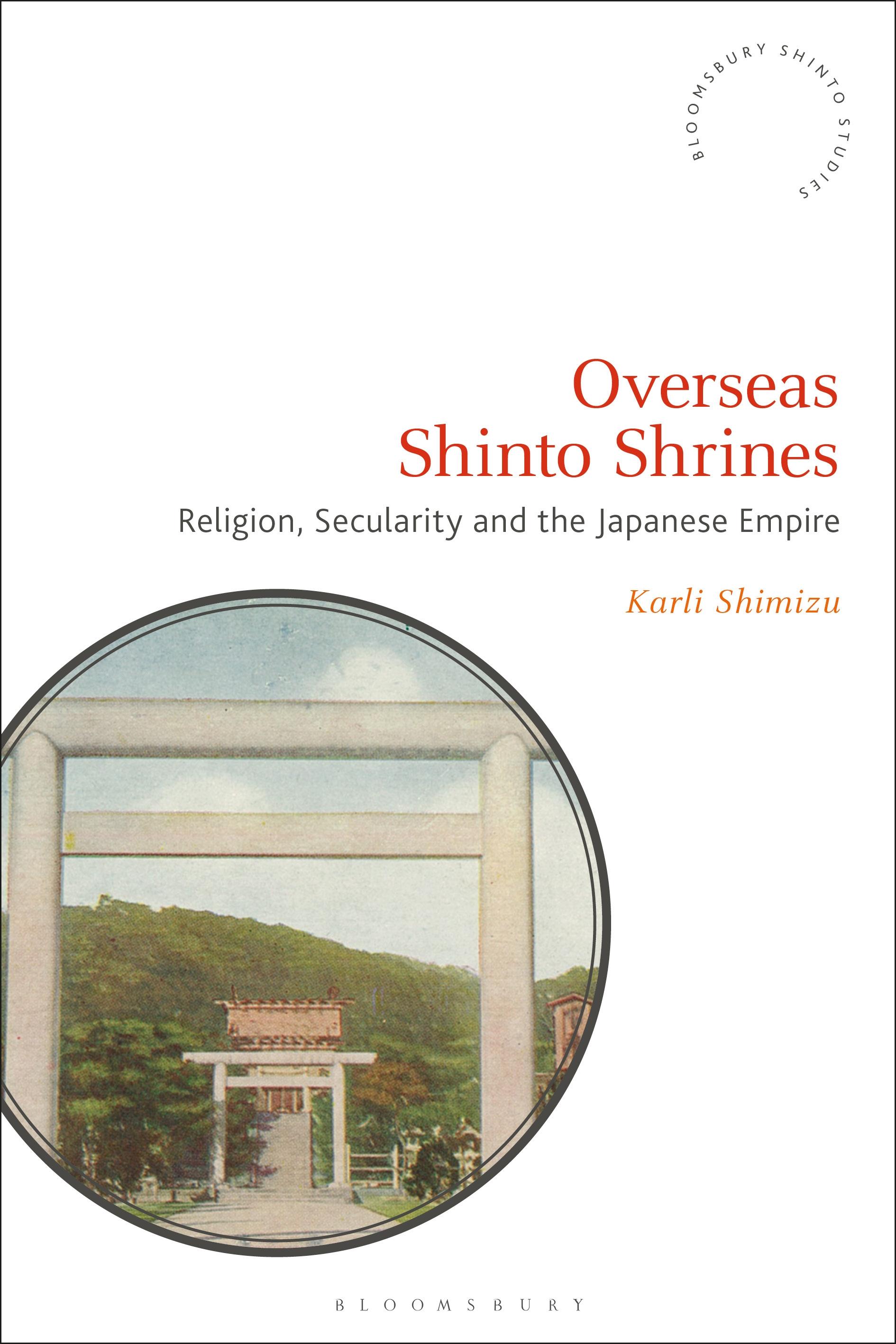
Through extensive use of primary resources and fieldwork, this detailed study examines overseas Shinto shrines and their complex role in the colonization and modernization of newly Japanese lands and subjects.
Shinto shrines became one of the most visible symbols of Japanese imperialism in the early 20th century. From 1868 to 1945, shrines were constructed by both the government and Japanese migrants across the Asia-Pacific region, from Sakhalin to Taiwan, and from China to the Americas. Drawing on theories about the constructed nature of the modern categories of 'religion' and the 'secular', this book argues that modern Shinto shrines were largely conceived and treated as secular sites within a newly invented Japanese secularism, and that they played an important role in communicating changed conceptions of space, time and ethics in imperial subjects.
Providing an example of the invention of a non-Western secularity, this book contributes to our understanding of the relationship between religion, secularism and the construction of the modern state.
Shinto shrines became one of the most visible symbols of Japanese imperialism in the early 20th century. From 1868 to 1945, shrines were constructed by both the government and Japanese migrants across the Asia-Pacific region, from Sakhalin to Taiwan, and from China to the Americas. Drawing on theories about the constructed nature of the modern categories of 'religion' and the 'secular', this book argues that modern Shinto shrines were largely conceived and treated as secular sites within a newly invented Japanese secularism, and that they played an important role in communicating changed conceptions of space, time and ethics in imperial subjects.
Providing an example of the invention of a non-Western secularity, this book contributes to our understanding of the relationship between religion, secularism and the construction of the modern state.
Zahle einfach mit Karte, Klarna, Apple Pay oder Google Pay. Nicht zufrieden? Du hast immer ein 14-tägiges Widerrufsrecht. Lies mehr in unseren AGB. Hast du Fragen, schreib uns eine E-Mail an hello@memmo.org.
Memmo macht das Lernen einfacher – wo auch immer du bist. Bei uns findest du deine Kursbücher und smarte Lerntools an einem Ort: Zusammenfassungen, Quizzes, Podcasts und Lernkarten. Und Ted, dein Lernbuddy, beantwortet alles, was du wissen möchtest. Über 50.000 Studierende lernen bereits hier – gemacht, damit du schneller lernst und weniger Stress hast.