
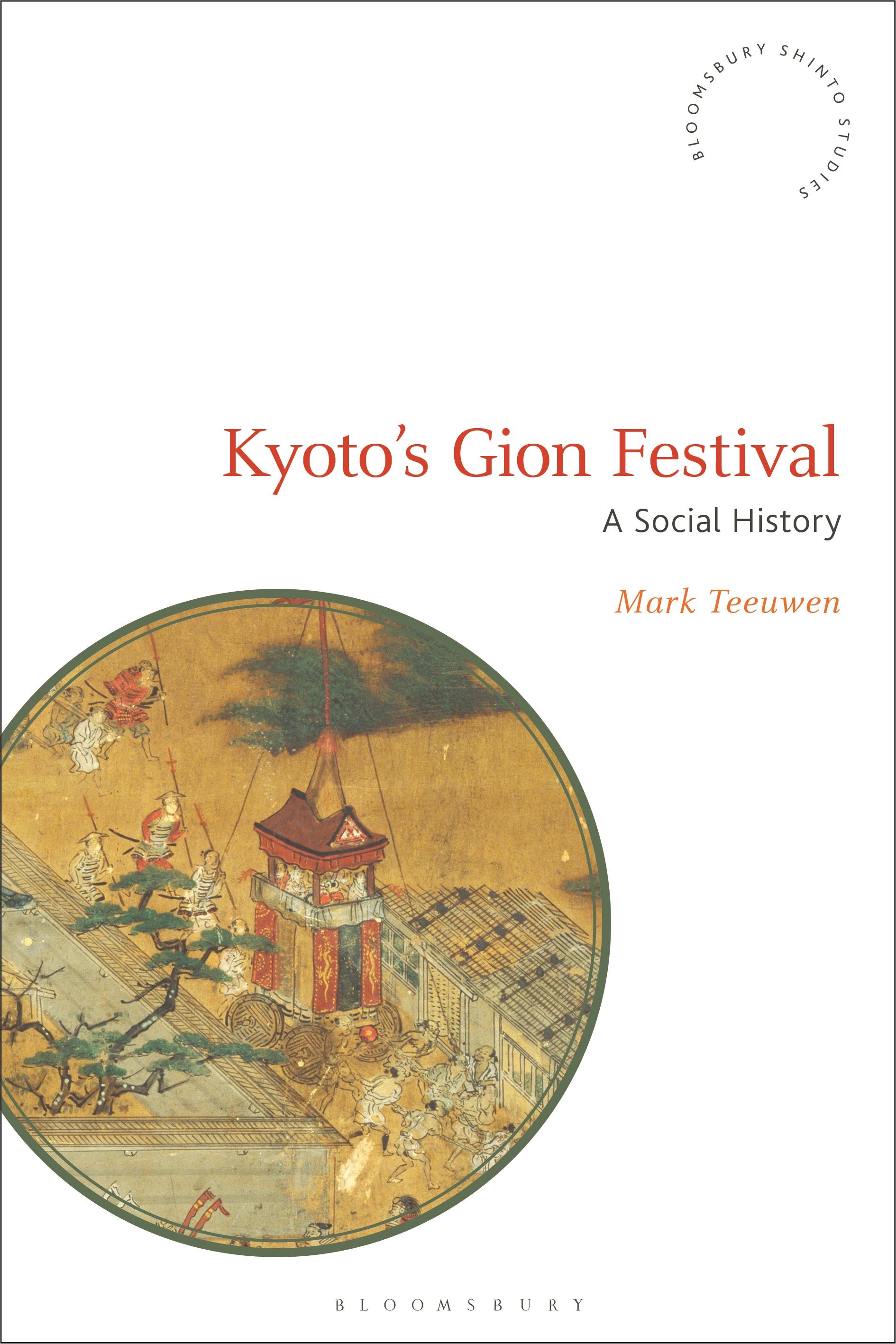
This book focuses on the long history of what is arguably the most prestigious and influential festival in Japan – Kyoto's Gion festival. It explores this history from the festival's origins in the late 10th century to its post-war revival, drawing on Japanese historical studies and archival materials as well as the author's participant observation fieldwork.
Exploring the social and political networks that have kept this festival alive for over a millennium, this book reveals how it has endured multiple reinventions. In particular, it identifies how at each historical juncture, different groups have found new purposes for the festival and adapted this costly enterprise to suit their own ends. The history of this festival not only sheds light on the development of Japanese festival culture as a whole, but also offers a window on Kyoto's history and provides a testing ground for recent festival theory.
Exploring the social and political networks that have kept this festival alive for over a millennium, this book reveals how it has endured multiple reinventions. In particular, it identifies how at each historical juncture, different groups have found new purposes for the festival and adapted this costly enterprise to suit their own ends. The history of this festival not only sheds light on the development of Japanese festival culture as a whole, but also offers a window on Kyoto's history and provides a testing ground for recent festival theory.
Zahle einfach mit Karte, Klarna, Apple Pay oder Google Pay. Nicht zufrieden? Du hast immer ein 14-tägiges Widerrufsrecht. Lies mehr in unseren AGB. Hast du Fragen, schreib uns eine E-Mail an hello@memmo.org.
Memmo macht das Lernen einfacher – wo auch immer du bist. Bei uns findest du deine Kursbücher und smarte Lerntools an einem Ort: Zusammenfassungen, Quizzes, Podcasts und Lernkarten. Und Ted, dein Lernbuddy, beantwortet alles, was du wissen möchtest. Über 50.000 Studierende lernen bereits hier – gemacht, damit du schneller lernst und weniger Stress hast.