
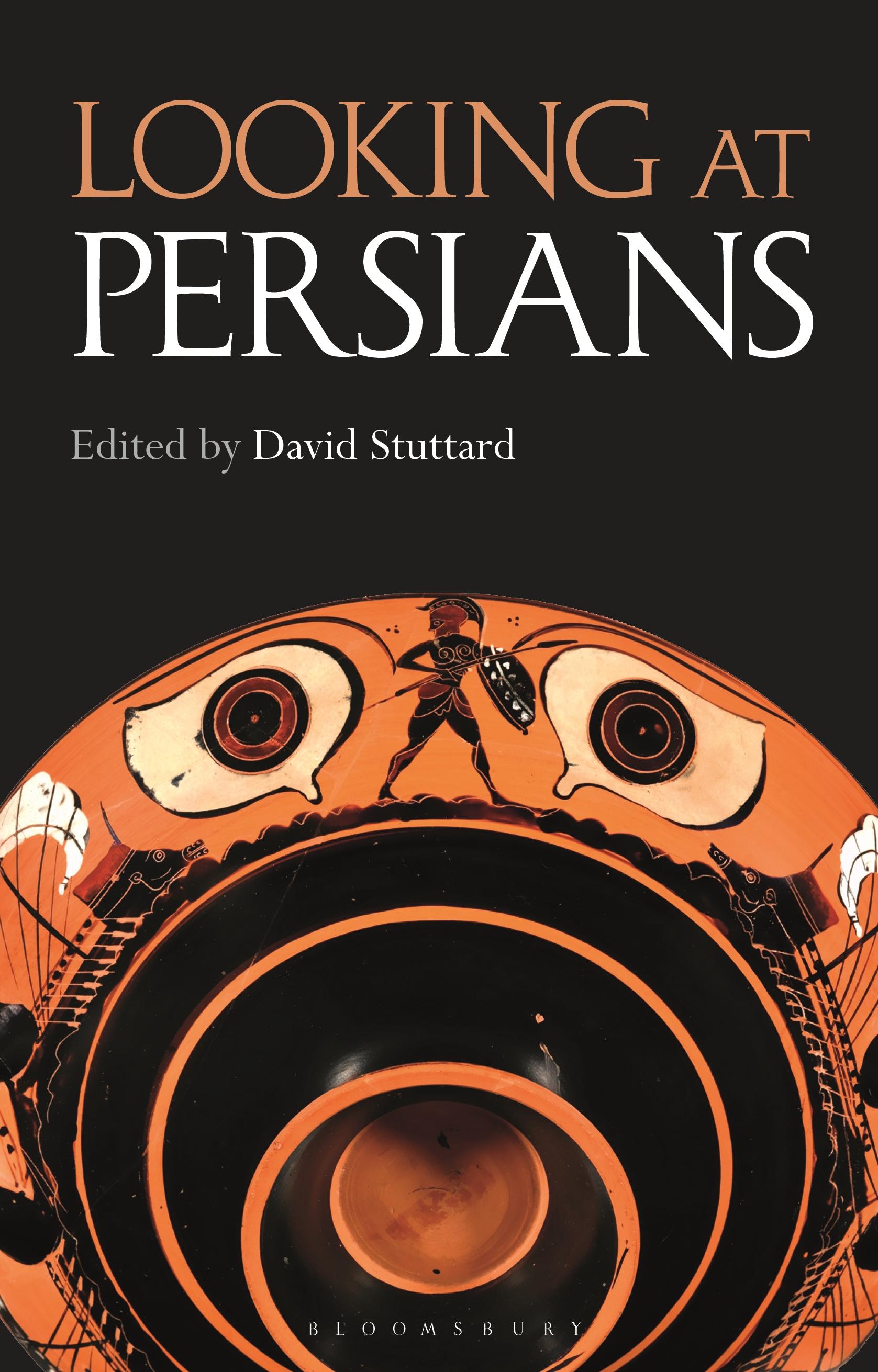
Aeschylus' Persians is unique in being the only extant Greek tragedy on an historical subject: Greece's victory in 480 BC over the great Persian King, Xerxes, eight years before the play was written and first performed in 472 BC. Looking at Persians examines how Aeschylus responded to such a turning point in Athenian history and how his audience may have reacted to his play. As well as considering the play's relationship with earlier lost tragedies and discussing its central themes, including war, nature and the value of human life, the volume considers how Persians may have been staged in fifth-century Athens and how it has been performed today.
The twelve essays presented here are written by prominent international academics and offer insightful analyses of the play from the perspectives of performance, history and society. Intended for readers ranging from school students and undergraduates to teachers and those interested in drama (including practitioners), this volume also includes an accurate, accessible and performance-friendly English translation of Persians by David Stuttard.
The twelve essays presented here are written by prominent international academics and offer insightful analyses of the play from the perspectives of performance, history and society. Intended for readers ranging from school students and undergraduates to teachers and those interested in drama (including practitioners), this volume also includes an accurate, accessible and performance-friendly English translation of Persians by David Stuttard.
Zahle einfach mit Karte, Klarna, Apple Pay oder Google Pay. Nicht zufrieden? Du hast immer ein 14-tägiges Widerrufsrecht. Lies mehr in unseren AGB. Hast du Fragen, schreib uns eine E-Mail an hello@memmo.org.
Memmo macht das Lernen einfacher – wo auch immer du bist. Bei uns findest du deine Kursbücher und smarte Lerntools an einem Ort: Zusammenfassungen, Quizzes, Podcasts und Lernkarten. Und Ted, dein Lernbuddy, beantwortet alles, was du wissen möchtest. Über 50.000 Studierende lernen bereits hier – gemacht, damit du schneller lernst und weniger Stress hast.