
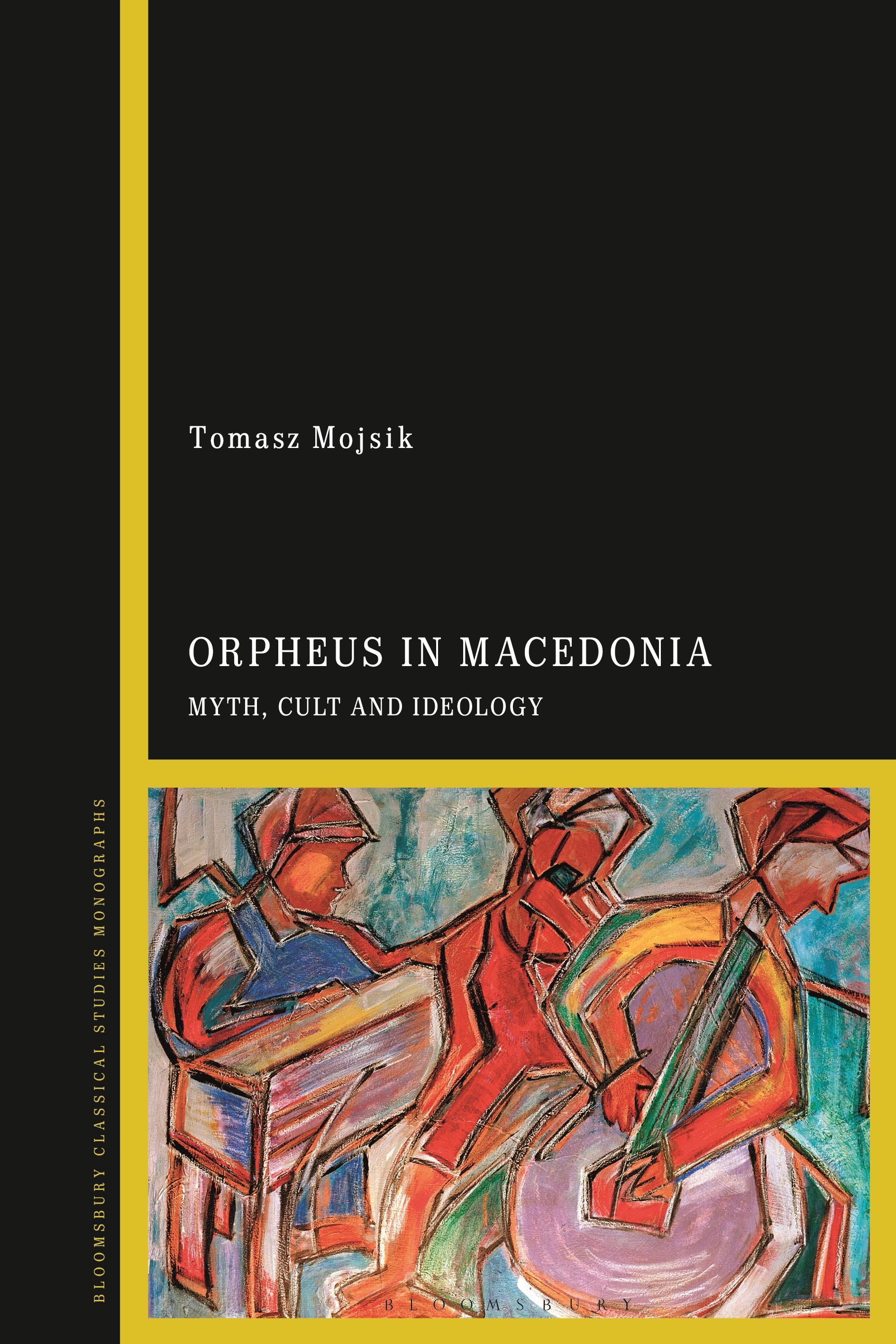
The mythological hero Orpheus occupied a central role in ancient Greek culture, but 'the son of Oeagrus' and 'Thracian musician' venerated by the Greeks has also become a prominent figure in a long tradition of classical reception of Greek myth. This book challenges our entrenched idea of Orpheus and demonstrates that in the Classical and Hellenistic periods depictions of his identity and image were not as unequivocal as we tend to believe today.
Concentrating on Orpheus' ethnicity and geographical references in ancient sources, Tomasz Mojsik traces the development of, and changes in, the mythological image of the hero in Antiquity and sheds new light on contemporary constructions of cultural identity by locating the various versions of the mythical story within their socio-political contexts. Examination of the early literary sources prompts a reconsideration of the tradition which locates the tomb of the hero in Macedonian Pieria, and the volume argues for the emergence of this tradition as a reaction to the allegation of the barbarity and civilizational backwardness of the Macedonians throughout the wider Greek world. These assertions have important implications for Archelaus' Hellenizing policy and his commonly acknowledged sponsorship of the arts, which included his incorporating of the Muses into the cult of Zeus at the Olympia in Dium.
Concentrating on Orpheus' ethnicity and geographical references in ancient sources, Tomasz Mojsik traces the development of, and changes in, the mythological image of the hero in Antiquity and sheds new light on contemporary constructions of cultural identity by locating the various versions of the mythical story within their socio-political contexts. Examination of the early literary sources prompts a reconsideration of the tradition which locates the tomb of the hero in Macedonian Pieria, and the volume argues for the emergence of this tradition as a reaction to the allegation of the barbarity and civilizational backwardness of the Macedonians throughout the wider Greek world. These assertions have important implications for Archelaus' Hellenizing policy and his commonly acknowledged sponsorship of the arts, which included his incorporating of the Muses into the cult of Zeus at the Olympia in Dium.
Zahle einfach mit Karte, Klarna, Apple Pay oder Google Pay. Nicht zufrieden? Du hast immer ein 14-tägiges Widerrufsrecht. Lies mehr in unseren AGB. Hast du Fragen, schreib uns eine E-Mail an hello@memmo.org.
Memmo macht das Lernen einfacher – wo auch immer du bist. Bei uns findest du deine Kursbücher und smarte Lerntools an einem Ort: Zusammenfassungen, Quizzes, Podcasts und Lernkarten. Und Ted, dein Lernbuddy, beantwortet alles, was du wissen möchtest. Über 50.000 Studierende lernen bereits hier – gemacht, damit du schneller lernst und weniger Stress hast.