
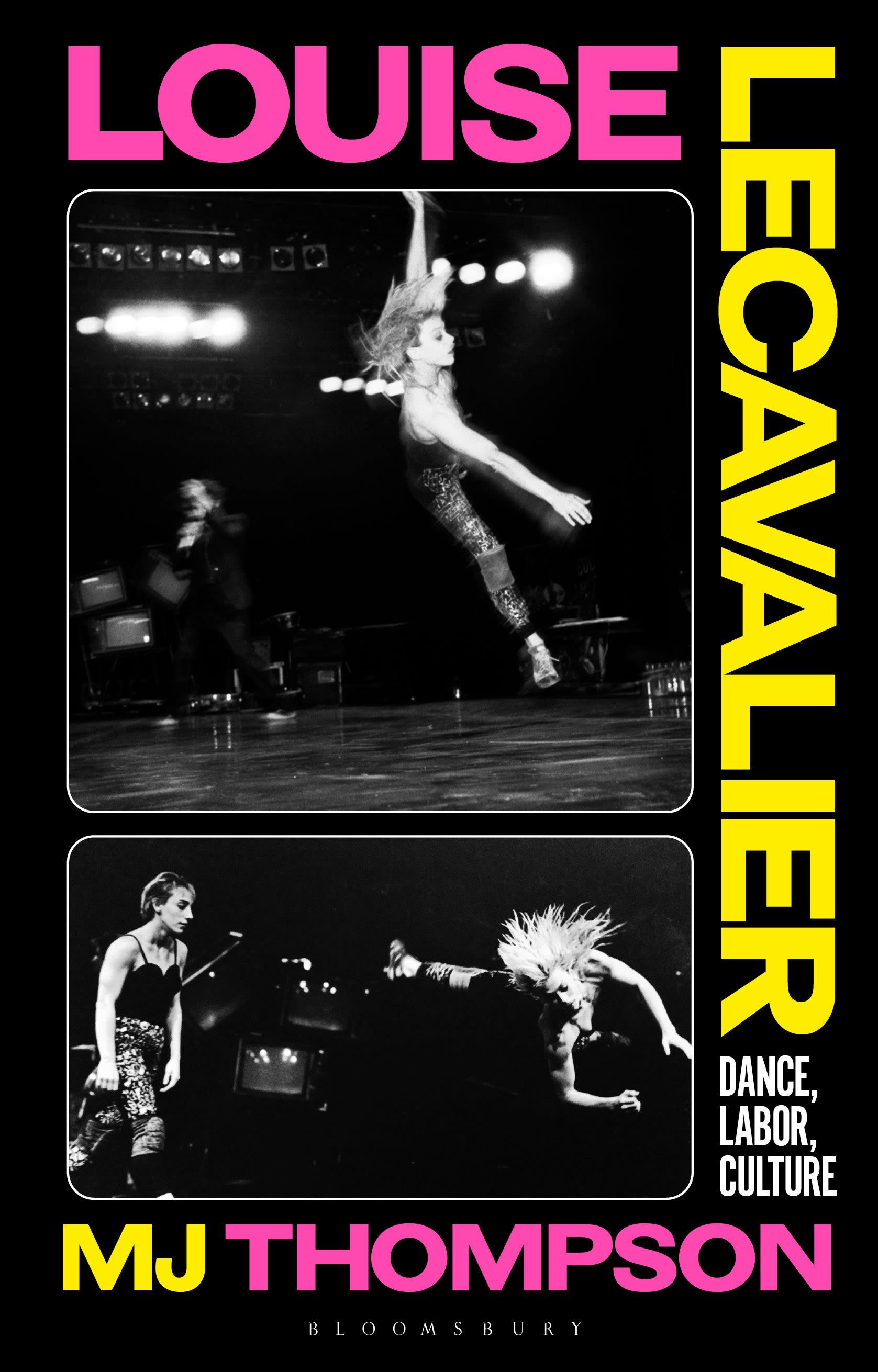
As principal dancer with Montréal-based company La La La Human Steps, Louise Lecavalier was among the most iconic dancers of her generation: strong, muscled, androgynous, punk. Moving with spectacular speed, precision and an athletic physicality, her commitment to dancing would ultimately transform the potential of what bodies within Western concert dance could do.
Drawing on extensive oral history accounts and archival material, the book follows Lecavalier's impact on the evolving aesthetic of La La La Human Steps, via the development of its early repertoire, and offers the first sustained account of her 1982 solo Non, Non, Non, je ne suis pas Mary Poppins. More, it tracks diverse influences and sources for the repertoire, complicating understandings of nationalism in Québec, while marking the significance of the collective in generating new aesthetics. What emerges is a portrait of the dancer as artist, icon, labourer and mover of cultural discourse.
Featuring an expansive set of photos and ephemera, including performance documentation by photographer/activist Linda Dawn Hammond, production images by choreographer Édouard Lock and street photography by key players in the 1980s Montréal scene, this study offers a critical and celebratory appraisal of Lecavalier's unique contribution and the role of the dancer more broadly as a producer of culture.
Drawing on extensive oral history accounts and archival material, the book follows Lecavalier's impact on the evolving aesthetic of La La La Human Steps, via the development of its early repertoire, and offers the first sustained account of her 1982 solo Non, Non, Non, je ne suis pas Mary Poppins. More, it tracks diverse influences and sources for the repertoire, complicating understandings of nationalism in Québec, while marking the significance of the collective in generating new aesthetics. What emerges is a portrait of the dancer as artist, icon, labourer and mover of cultural discourse.
Featuring an expansive set of photos and ephemera, including performance documentation by photographer/activist Linda Dawn Hammond, production images by choreographer Édouard Lock and street photography by key players in the 1980s Montréal scene, this study offers a critical and celebratory appraisal of Lecavalier's unique contribution and the role of the dancer more broadly as a producer of culture.
Seiten: 256
Kategorie: Drama, Teater & Scenkonst
e-ISBN: 9781350195219
Versandgewicht: 1.2 kg
Versand in: 1-2 Tage
Zahle einfach mit Karte, Klarna, Apple Pay oder Google Pay. Nicht zufrieden? Du hast immer ein 14-tägiges Widerrufsrecht. Lies mehr in unseren AGB. Hast du Fragen, schreib uns eine E-Mail an hello@memmo.org.
Memmo macht das Lernen einfacher – wo auch immer du bist. Bei uns findest du deine Kursbücher und smarte Lerntools an einem Ort: Zusammenfassungen, Quizzes, Podcasts und Lernkarten. Und Ted, dein Lernbuddy, beantwortet alles, was du wissen möchtest. Über 50.000 Studierende lernen bereits hier – gemacht, damit du schneller lernst und weniger Stress hast.