
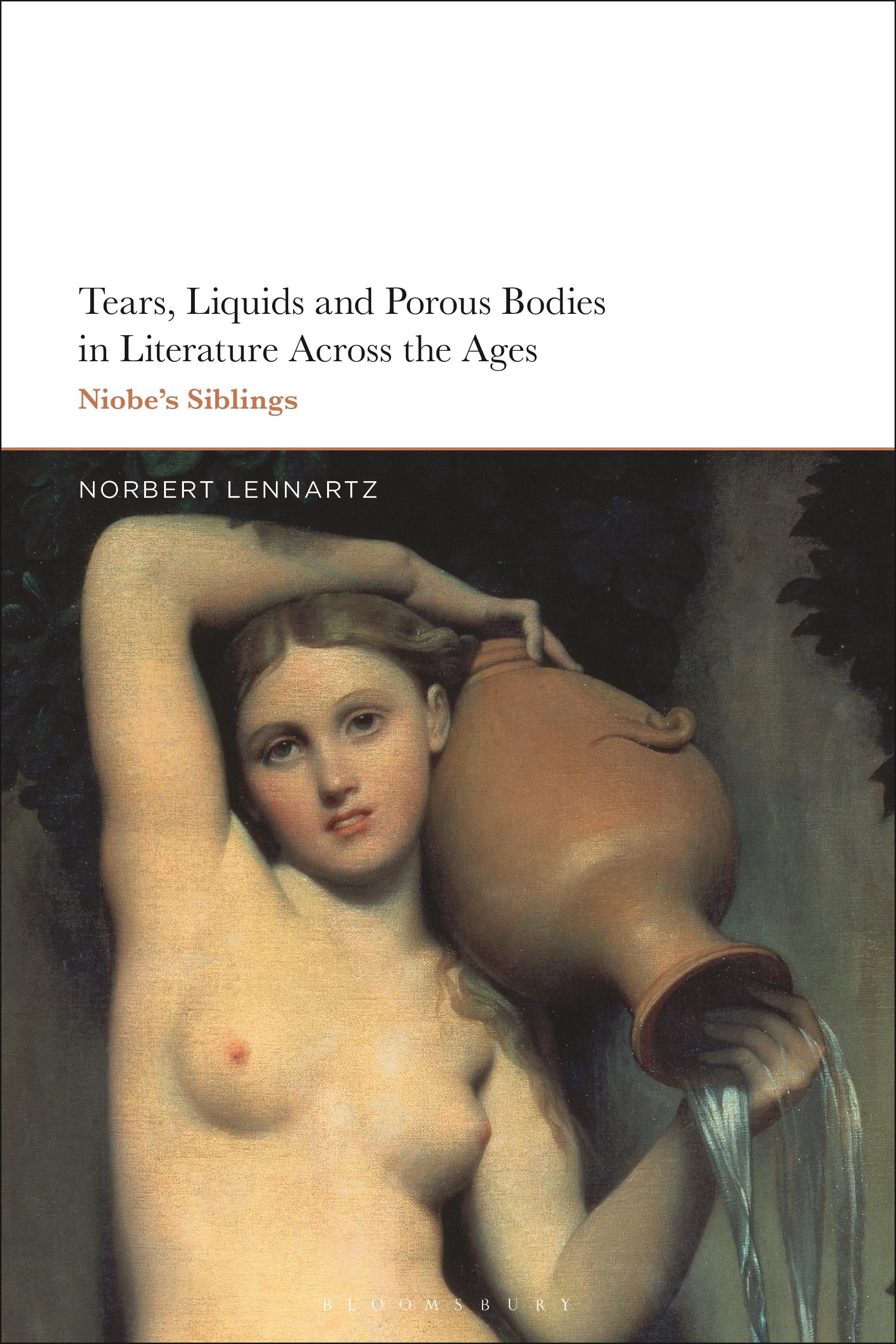
Taking in works from writers as diverse as William Shakespeare, William Wordsworth, Charlotte Brontë, John Keats, James Joyce and D.H. Lawrence, this book spans approximately 300 years and unpacks how bodily liquidity, porosity and petrification recur as a pattern and underlie the chequered history of the body and genders in literature.
Lennartz examines the precarious relationship between porosity and its opposite – closure, containment and stoniness – and explores literary history as a meandering narrative in which 'female' porosity and 'manly' stoniness clash, showing how different societies and epochs respond to and engage with bodily porosity.
This book considers the ways that this relationship is constantly renegotiated and where effusive and 'feminine' genres, such as 'sloppy' letters and streams of consciousness, are pitted against stony and astringent forms of masculinity, like epitaphs, sonnets and the Bildungsroman.
Lennartz examines the precarious relationship between porosity and its opposite – closure, containment and stoniness – and explores literary history as a meandering narrative in which 'female' porosity and 'manly' stoniness clash, showing how different societies and epochs respond to and engage with bodily porosity.
This book considers the ways that this relationship is constantly renegotiated and where effusive and 'feminine' genres, such as 'sloppy' letters and streams of consciousness, are pitted against stony and astringent forms of masculinity, like epitaphs, sonnets and the Bildungsroman.
Zahle einfach mit Karte, Klarna, Apple Pay oder Google Pay. Nicht zufrieden? Du hast immer ein 14-tägiges Widerrufsrecht. Lies mehr in unseren AGB. Hast du Fragen, schreib uns eine E-Mail an hello@memmo.org.
Memmo macht das Lernen einfacher – wo auch immer du bist. Bei uns findest du deine Kursbücher und smarte Lerntools an einem Ort: Zusammenfassungen, Quizzes, Podcasts und Lernkarten. Und Ted, dein Lernbuddy, beantwortet alles, was du wissen möchtest. Über 50.000 Studierende lernen bereits hier – gemacht, damit du schneller lernst und weniger Stress hast.