
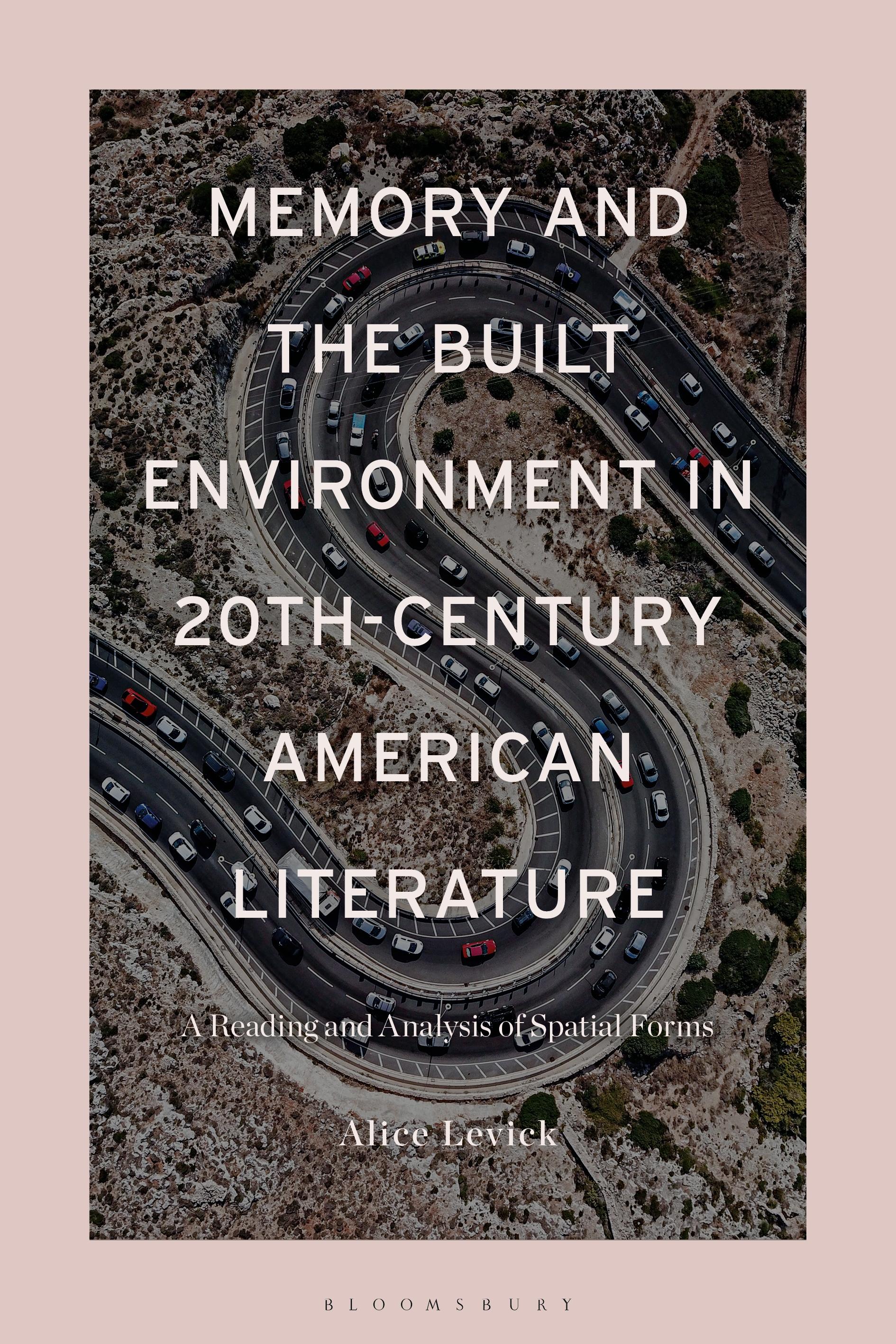
From the paving of the Los Angeles River in 1938 and the creation of the G.I. Bill in 1944, to the construction of the Interstate Highway System during the late 1950s and the brownstoning movement of the 1970s, throughout the mid-20th-century the United States saw a wave of changes that had an enduring impact on the development of urban spaces. Focusing on the relationship between processes of demolition and restoration as they have shaped the modern built environment, and the processes by which memory is constructed, hidden, or remade in the literary text, this book explores the ways in which history becomes entangled with the urban space in which it plays out. Alice Levick takes stock of this history, both in the form of its externalised, concretised manifestation and its more symbolic representation, as depicted in the mid-20th-century work of a selection of American writers. Calling upon access to archival material and interviews with New York academics, authors, local historians and urban planners, this book locates Freud's 'Uncanny' in the cracks between the absent and present, invisible and visible, memory and history as they are presented in city narratives, demonstrating both the passage of time and the imposition of 20th-century modernism.
With reference to the works of D. J. Waldie, Joan Didion, Hisaye Yamamoto, Raymond Chandler, Marshall Berman, Gil Cuadros, Paule Marshall, L. J. Davis, and Paula Fox, Memory and the Built Environment in 20th-Century American Literature unpacks how time becomes visible in Los Angeles, Sacramento, Lakewood, and New York in the decades just before and after the Second World War, questioning how these spaces provide access to the past, in both narrative and spatial forms, and how, at times, this access is blocked.
With reference to the works of D. J. Waldie, Joan Didion, Hisaye Yamamoto, Raymond Chandler, Marshall Berman, Gil Cuadros, Paule Marshall, L. J. Davis, and Paula Fox, Memory and the Built Environment in 20th-Century American Literature unpacks how time becomes visible in Los Angeles, Sacramento, Lakewood, and New York in the decades just before and after the Second World War, questioning how these spaces provide access to the past, in both narrative and spatial forms, and how, at times, this access is blocked.
Seiten: 240
Kategorie: Litteraturvetenskap & Teori
e-ISBN: 9781350184596
Versandgewicht: 1.2 kg
Versand in: 1-2 Tage
Zahle einfach mit Karte, Klarna, Apple Pay oder Google Pay. Nicht zufrieden? Du hast immer ein 14-tägiges Widerrufsrecht. Lies mehr in unseren AGB. Hast du Fragen, schreib uns eine E-Mail an hello@memmo.org.
Memmo macht das Lernen einfacher – wo auch immer du bist. Bei uns findest du deine Kursbücher und smarte Lerntools an einem Ort: Zusammenfassungen, Quizzes, Podcasts und Lernkarten. Und Ted, dein Lernbuddy, beantwortet alles, was du wissen möchtest. Über 50.000 Studierende lernen bereits hier – gemacht, damit du schneller lernst und weniger Stress hast.