
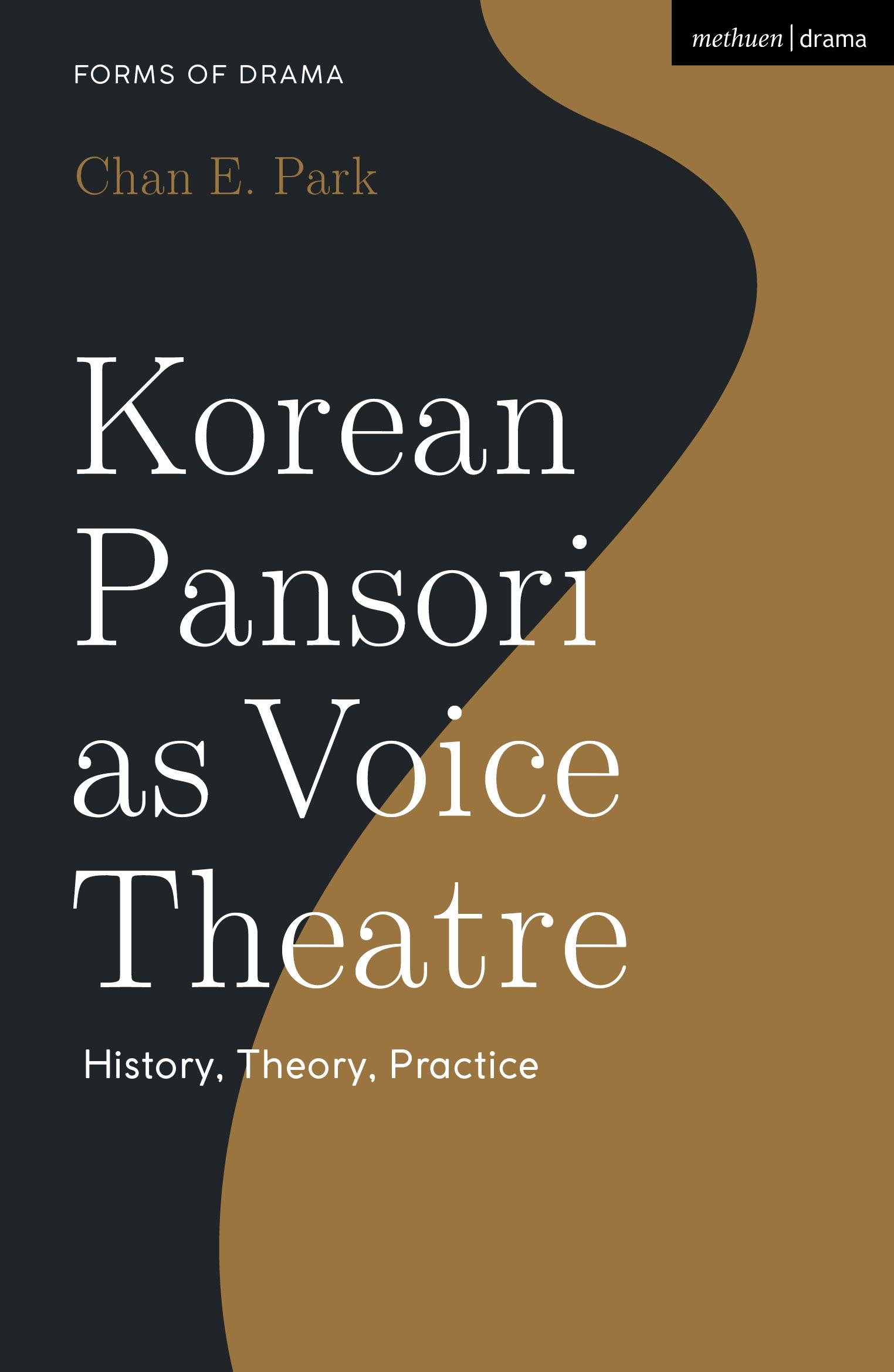
This book introduces readers to the historical, performative, and cultural context of pansori, a traditional Korean oral story-singing art.
Written by a scholar-practitioner of the form, this study is structured in three parts and begins by introducing readers to the technical, aesthetic, and theoretical components of pansori, as well as the synthesis of vocal and percussive elements that stage the narrative. It moves on to reflect on the historical contexts of pansori, alongside Korea's transformation from Joseon monarchy to modern statehood. It argues that with colonial annexation came modernist influences that Korean dramatists and audiences used to create new genres of performance, using the common thread of pansori.
The book's third part explores the interplay of preservation and innovation, beginning in the post-war period and continuing with developments in the 20th and 21st centuries that coincide with Korea's imprint on cultural globalization. Along with Korea's growth as a world economic center, a growing enthusiasm for Korean culture around the world has increased the transmission and visibility of pansori. This study argues that tradition and innovation are not as divergent as they are sometimes imagined to be and that tradition is the force that enables innovation. Drawing on Chan E. Park's ethnographic work and performance practice, this book interweaves expert knowledge of both the textual and performative aspects of pansori, rendering legible this dramatic tradition.
Written by a scholar-practitioner of the form, this study is structured in three parts and begins by introducing readers to the technical, aesthetic, and theoretical components of pansori, as well as the synthesis of vocal and percussive elements that stage the narrative. It moves on to reflect on the historical contexts of pansori, alongside Korea's transformation from Joseon monarchy to modern statehood. It argues that with colonial annexation came modernist influences that Korean dramatists and audiences used to create new genres of performance, using the common thread of pansori.
The book's third part explores the interplay of preservation and innovation, beginning in the post-war period and continuing with developments in the 20th and 21st centuries that coincide with Korea's imprint on cultural globalization. Along with Korea's growth as a world economic center, a growing enthusiasm for Korean culture around the world has increased the transmission and visibility of pansori. This study argues that tradition and innovation are not as divergent as they are sometimes imagined to be and that tradition is the force that enables innovation. Drawing on Chan E. Park's ethnographic work and performance practice, this book interweaves expert knowledge of both the textual and performative aspects of pansori, rendering legible this dramatic tradition.
Seiten: 256
Kategorie: Drama, Teater & Scenkonst
e-ISBN: 9781350174894
Versandgewicht: 1.2 kg
Versand in: 1-2 Tage
Zahle einfach mit Karte, Klarna, Apple Pay oder Google Pay. Nicht zufrieden? Du hast immer ein 14-tägiges Widerrufsrecht. Lies mehr in unseren AGB. Hast du Fragen, schreib uns eine E-Mail an hello@memmo.org.
Memmo macht das Lernen einfacher – wo auch immer du bist. Bei uns findest du deine Kursbücher und smarte Lerntools an einem Ort: Zusammenfassungen, Quizzes, Podcasts und Lernkarten. Und Ted, dein Lernbuddy, beantwortet alles, was du wissen möchtest. Über 50.000 Studierende lernen bereits hier – gemacht, damit du schneller lernst und weniger Stress hast.