
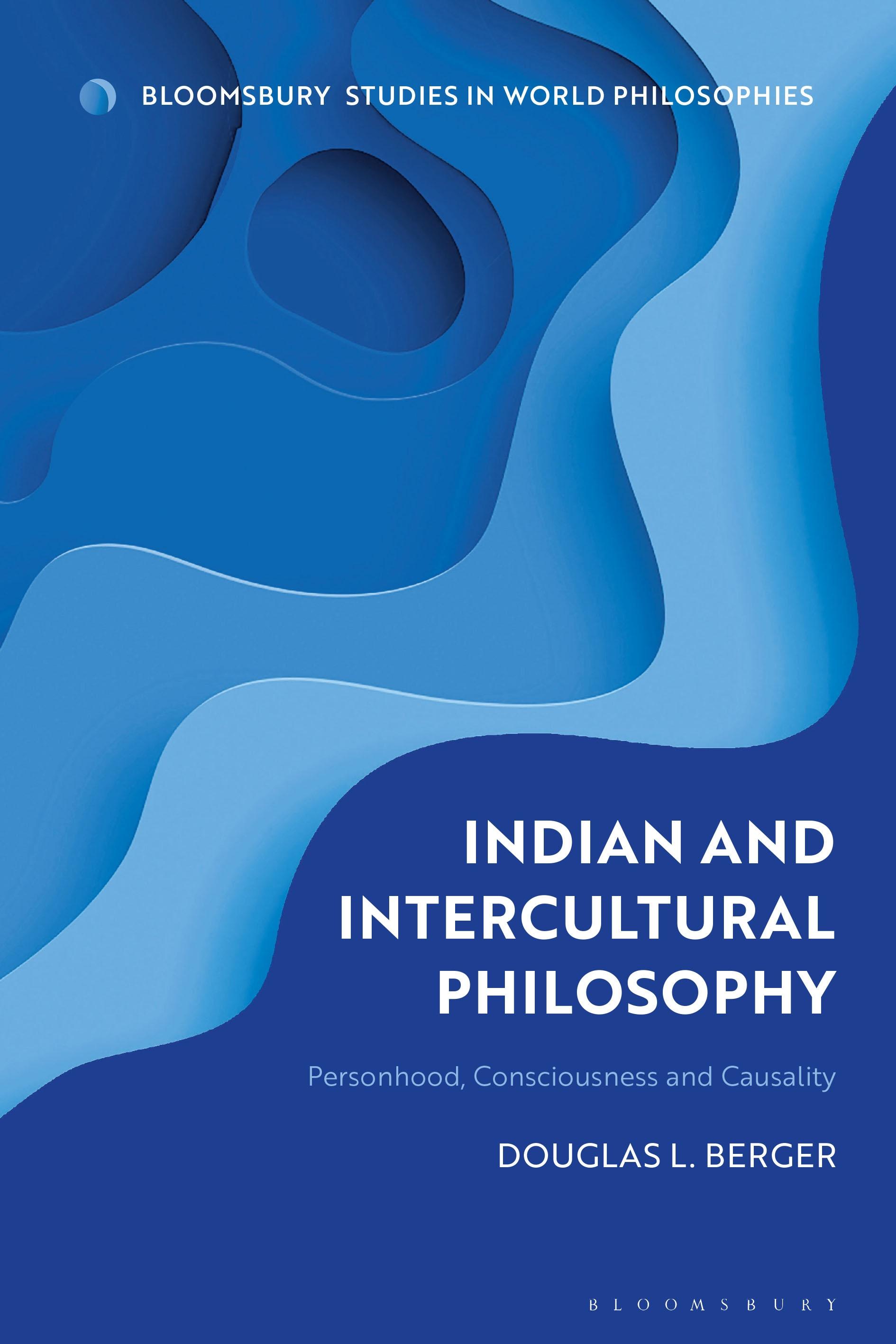
For over twenty years Douglas Berger has advanced research and reflection on Indian philosophical traditions from both classical and cross-cultural perspectives. This volume reveals the extent of his contribution by bringing together his perspectives on these classical Indian philosophies and placing them in conversation with Confucian, Chinese Buddhist and medieval Indian Sufi traditions.
Delving into debates between Nyaya and Buddhist philosophers on consciousness and identity, the nature of Sankara's theory of the self, the precise character of Nagarjuna's idea of emptiness, and the relationship between awareness and embodiment in the broad spectrum of Indian thought, chapters exhibit Berger's unusually broad range of expertise. They connect Chinese Confucian and Buddhist texts with classical Indian theories of ethics and consciousness, contrast the ideas of seminal European thinkers like Nietzsche and Derrida from prevailing themes in Buddhism, and shed light on the spiritual and political dimensions of the Mughal prince Dara Shukoh's immersion into Vedantic thought.
Always approaching the arguments from an intercultural perspective, Berger shows how much relevance and resonance classical Indian thought has with ancient Confucian views of ethics, Chinese Buddhist depictions of consciousness and medieval Mughal conceptions of divinity. The result is a volume celebrating the rigor, vitality and intercultural resonance of India's rich philosophical heritage.
Delving into debates between Nyaya and Buddhist philosophers on consciousness and identity, the nature of Sankara's theory of the self, the precise character of Nagarjuna's idea of emptiness, and the relationship between awareness and embodiment in the broad spectrum of Indian thought, chapters exhibit Berger's unusually broad range of expertise. They connect Chinese Confucian and Buddhist texts with classical Indian theories of ethics and consciousness, contrast the ideas of seminal European thinkers like Nietzsche and Derrida from prevailing themes in Buddhism, and shed light on the spiritual and political dimensions of the Mughal prince Dara Shukoh's immersion into Vedantic thought.
Always approaching the arguments from an intercultural perspective, Berger shows how much relevance and resonance classical Indian thought has with ancient Confucian views of ethics, Chinese Buddhist depictions of consciousness and medieval Mughal conceptions of divinity. The result is a volume celebrating the rigor, vitality and intercultural resonance of India's rich philosophical heritage.
Zahle einfach mit Karte, Klarna, Apple Pay oder Google Pay. Nicht zufrieden? Du hast immer ein 14-tägiges Widerrufsrecht. Lies mehr in unseren AGB. Hast du Fragen, schreib uns eine E-Mail an hello@memmo.org.
Memmo macht das Lernen einfacher – wo auch immer du bist. Bei uns findest du deine Kursbücher und smarte Lerntools an einem Ort: Zusammenfassungen, Quizzes, Podcasts und Lernkarten. Und Ted, dein Lernbuddy, beantwortet alles, was du wissen möchtest. Über 50.000 Studierende lernen bereits hier – gemacht, damit du schneller lernst und weniger Stress hast.