
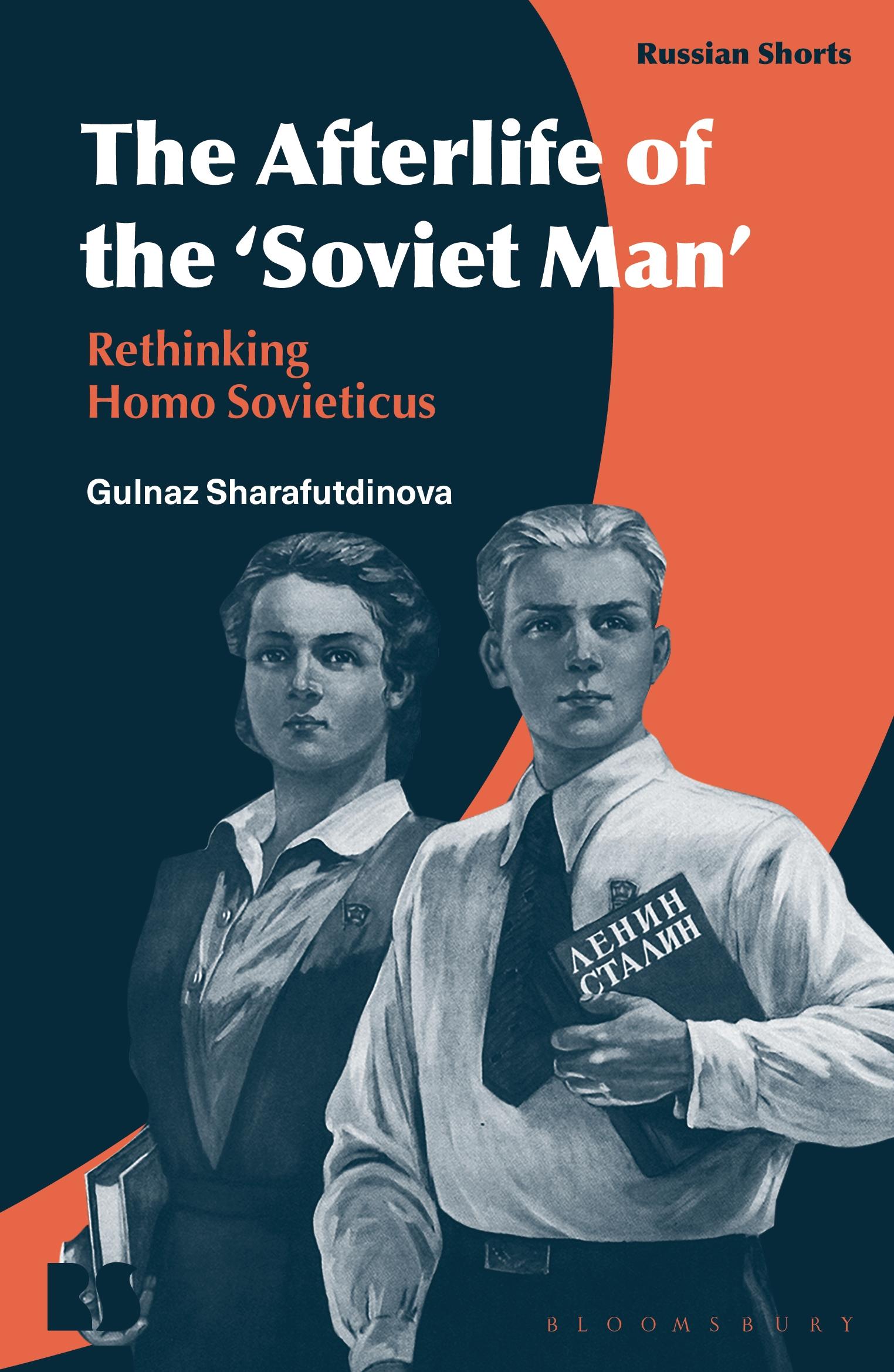
Almost three decades after the collapse of the Soviet Union, today more often than ever, global media and intellectuals rely on the concept of homo sovieticus to explain Russia's authoritarian ills. Homo sovieticus - or the Soviet man - is understood to be a double-thinking, suspicious and fearful conformist with no morality, an innate obedience to authority and no public demands; they have been forged in the fires of the totalitarian conditions in which they find themselves.
But where did this concept come from? What analytical and ideological pillars does it stand on? What is at stake in using this term today? The Afterlife of the 'Soviet Man' addresses all these questions and even explains why – at least in its contemporary usage – this concept should be abandoned altogether.
But where did this concept come from? What analytical and ideological pillars does it stand on? What is at stake in using this term today? The Afterlife of the 'Soviet Man' addresses all these questions and even explains why – at least in its contemporary usage – this concept should be abandoned altogether.
Zahle einfach mit Karte, Klarna, Apple Pay oder Google Pay. Nicht zufrieden? Du hast immer ein 14-tägiges Widerrufsrecht. Lies mehr in unseren AGB. Hast du Fragen, schreib uns eine E-Mail an hello@memmo.org.
Memmo macht das Lernen einfacher – wo auch immer du bist. Bei uns findest du deine Kursbücher und smarte Lerntools an einem Ort: Zusammenfassungen, Quizzes, Podcasts und Lernkarten. Und Ted, dein Lernbuddy, beantwortet alles, was du wissen möchtest. Über 50.000 Studierende lernen bereits hier – gemacht, damit du schneller lernst und weniger Stress hast.